
Last updated October 16, 2026
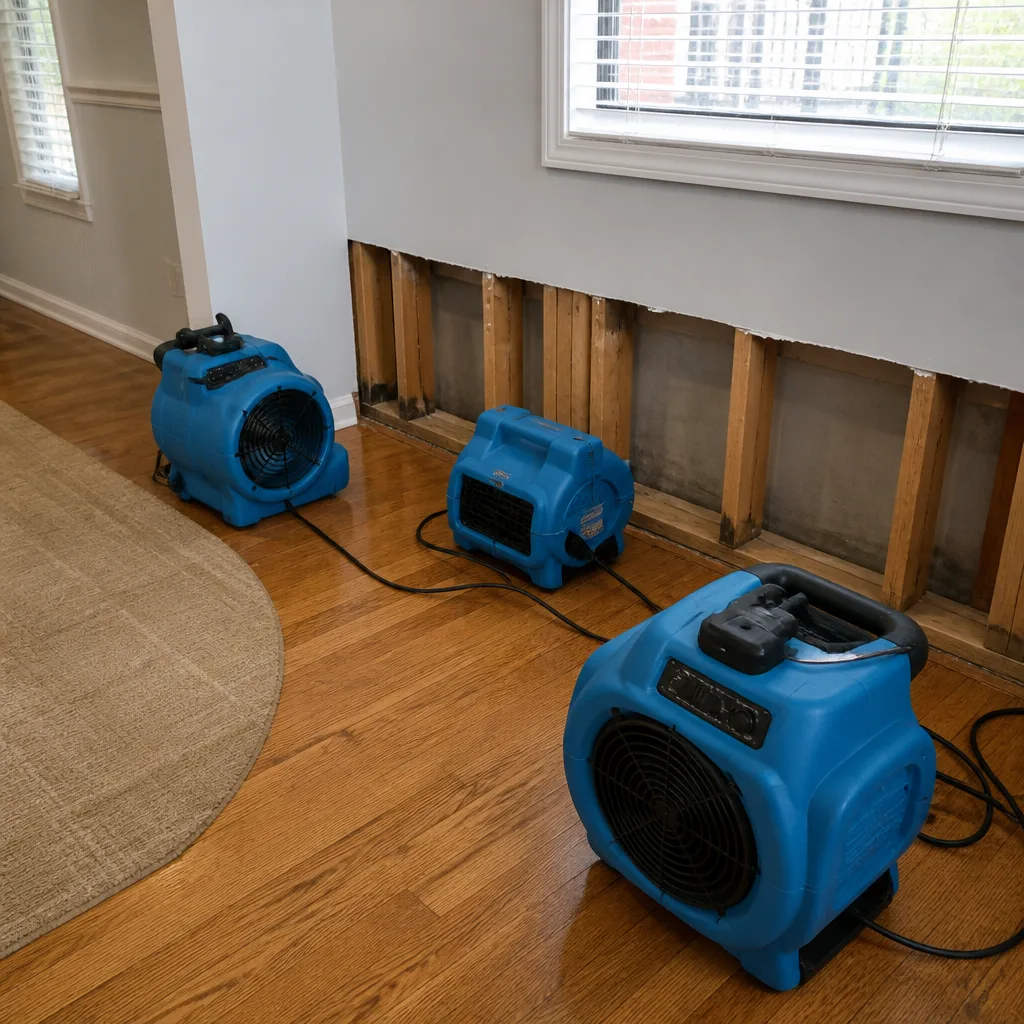 Water damage drying
 Fire & smoke cleanup
 Mold remediation
 Storm response
 Sewage cleanup
 Reconstruction
Free visual inspection and a written scope of work before any mitigation begins - photos, moisture readings, and drying logs go in your claim file
The scope we write is the scope we bill. Anything new gets shown to you, in writing, before we touch it.
Get your free estimateDamage Restoration Permits, Codes & Inspections in FL: What You Need to Know
Most homeowners in Miami don’t discover their restoration project needed a permit until they’re sitting at a closing table, five years after the water damage dried, being told the sale can’t proceed. The unpermitted work shows up as an open item on the title search, and suddenly the buyer’s lender wants it resolved. In Florida, the seller is legally responsible for that fix, and in Miami-Dade County the cost to bring unpermitted work up to code routinely lands between $2,000 and $8,000 before a house can change hands. This guide explains which restoration projects trigger permit requirements under Florida Building Code Section 708, what Miami-Dade adds on top of the state rules, who actually pulls the permit, and what an inspector really looks for.
Quick Answer
In Florida, water damage restoration requires a permit when the work involves structural repair, meaning changes to framing, load-bearing walls, trusses, or the building envelope, not when you’re replacing drywall, flooring, or cabinetry of the same type and size. In Miami-Dade County, additional amendments around hurricane straps, roof decking, and exterior wall systems make permits more likely than in other parts of Florida. The contractor, not the homeowner, is legally responsible for pulling the permit, and unpermitted structural work becomes a title defect that can block a home sale until remediated.
Restoration work we handle
Table of Contents
- Florida Building Code Section 708: When Restoration Triggers a Permit
- Miami-Dade County Amendments: What’s Stricter Than State Code
- Who Pulls the Permit and Why It Should Never Be You
- What Happens During a Restoration Inspection in Miami-Dade
- How Unpermitted Work Shows Up in a Title Search
- What Permits and Inspections Actually Cost in Florida
- How Building Codes Interact With Insurance Claims
- Common Mistakes to Avoid
Florida Building Code Section 708: When Restoration Triggers a Permit
Florida Building Code Section 708 is the section that trips up more restoration jobs than any other. The core rule is straightforward: you need a permit when the work changes the structure, not when you’re replacing finishes. The confusion comes from the word “structure,” which means something different to a contractor than it does to a homeowner.
Here’s the plain-English breakdown. Structural repair means work on load-bearing elements: wall studs, floor joists, ceiling rafters, roof trusses, foundation slabs, headers over windows and doors, and shear walls that resist wind. If water damage rotted a bottom plate on a load-bearing wall, or a fire compromised a floor joist, that’s structural. It needs a permit, engineered drawings, and an inspection. Cosmetic replacement means swapping out damaged material for new material of the same type and size without changing the structure behind it: drywall panels, baseboards, cabinet boxes, floor tile, carpet, paint. That work does not need a permit under state code.
The gray zone sits between those two. Replacing a window that was never damaged by the event but got swapped out during a remodel requires a permit because you’re altering the building envelope. Cutting a new opening for a door, even if it’s just moving one from a wall that wasn’t damaged, requires a permit. Adding electrical circuits, moving plumbing drains, or changing the roofline all trigger review. In our experience, the safest question a homeowner can ask is not “does this need a permit?” but “are we touching anything structural, electrical, or plumbing beyond direct replacement?” If the contractor’s answer is yes, there should be a permit number assigned to the job before the first tool touches the wall.
South Florida’s climate makes the line between structural and cosmetic more consequential than in drier states. Miami’s heat and humidity mean that what looks like a cosmetic drywall replacement often hides framing damage behind it. A wall that sat wet for five days may look fine from the front once the drywall is replaced, but the studs behind it may be carrying moisture-load rot that reduces their load-bearing capacity. That’s why Water Damage Restoration in Miami should always include a framing inspection before finishes go back on, and why a contractor who says “we’ll just dry it and cover it” without checking what’s behind the drywall is creating a code problem for you in the future.
Miami-Dade County Amendments: What’s Stricter Than State Code
If you live in Miami, you don’t just answer to the Florida Building Code. Miami-Dade County operates under its own set of local amendments that layer additional requirements on top of state code, and several of them directly affect restoration work. These aren’t suggestions, and they aren’t waived because the damage was sudden or accidental. They’re enforced at inspection, and they can add real cost to a restoration project.
The most significant amendment for restoration work involves hurricane straps and structural connectors. Miami-Dade requires that any structural repair involving a roof-to-wall connection must bring that connection up to current high-velocity hurricane zone standards, even if the original construction predates those requirements. In plain terms: if water damage or fire damage exposes the point where your roof trusses meet the top plate of your exterior walls, and the repair involves any work in that assembly, the inspector will want to see engineered hurricane straps installed, not just the original nails or the same type of connector that was there before. That’s a county requirement on top of state code.
Roof deck requirements are similarly stricter in Miami-Dade. State code allows certain thicknesses of plywood or OSB for roof decking in most of Florida, but Miami-Dade’s high-velocity hurricane zone rules mandate thicker decking and specific nailing patterns. If a restoration project includes any roof deck replacement, even a small section damaged by a fallen branch during a storm, the county requires that the new section meet current HVHZ deck requirements. This can mean a small roof repair turns into a larger replacement when the inspector determines the surrounding decking doesn’t meet current fastening requirements.
Exterior wall systems are the third area where Miami-Dade diverges from state code. The county’s requirements for water barriers, stucco systems, and exterior sheathing are tighter than the Florida baseline because of Miami’s rainfall and wind-driven water exposure. A restoration project that opens an exterior wall from the inside, for example after a plumbing leak inside a wall cavity that backs up to the exterior, may trigger a requirement to verify the water-resistive barrier meets current Miami-Dade standards before the wall is closed back up. This is exactly the kind of requirement a state-licensed contractor working elsewhere in Florida might not anticipate, and it’s one reason hiring a restoration company with deep Miami-Dade experience matters. Our DIY vs Professional Damage Restoration: The Miami Homeowner’s Decision Guide breaks down when professional expertise becomes essential. Work performed to IICRC standards addresses the drying science, but the code layer is separate and local.
Who Pulls the Permit and Why It Should Never Be You
Florida law places the legal responsibility for pulling a building permit on the contractor performing the work, not the homeowner. It’s in the statutes governing contractor licensing, and it exists for a specific reason: the party doing the work is the party who can be held accountable if the permit is pulled incorrectly, the work fails inspection, or the project is abandoned mid-stream. When a contractor asks you, the homeowner, to pull the permit in your own name, that is a red flag. It usually means one of three things: the contractor’s license doesn’t cover the scope of work, the contractor’s insurance won’t extend to a permitted job in their name, or the contractor is trying to offload legal liability onto you.
Here’s why you should refuse. When a permit is issued in your name, you become the permit holder of record. That means you are responsible for scheduling inspections, you are responsible for responding to code violations, and if the work doesn’t pass, you are the party the county will pursue. The contractor can walk away and leave you holding an open permit, which becomes a title defect. When the permit is in the contractor’s name, the county’s enforcement pressure lands on the contractor’s license, which is a much stronger incentive to finish the job correctly. We see this scenario in Miami more often than homeowners expect, usually with unlicensed or under-licensed contractors who underbid a restoration job and then try to make it work by offloading the permit process.
There is one exception worth knowing: work that is purely cosmetic and genuinely doesn’t require a permit can be done without any permit activity at all. That’s not a loophole, it’s the code doing what it was designed to do. The key is that the determination of “purely cosmetic” should be made honestly by a licensed contractor who knows the code, not by someone who wants to avoid the inspection process. If the work is structural, someone must pull a permit, and that someone should be the contractor. The Dryden Restoration Miami home team pulls permits for every structural restoration job we take on, and we won’t ask you to do it for us. It’s part of the written price and the written guarantee we give before any work starts.
What Happens During a Restoration Inspection in Miami-Dade
A restoration inspection follows a predictable sequence, and knowing what happens at each step removes most of the anxiety around the process. In Miami-Dade, inspections are typically scheduled online through the county’s permitting portal, and the time slots are usually four-hour windows. The inspector arrives, reviews the permitted scope, checks the work against the approved plans, and either approves the work for cover or issues a correction notice. Here’s the step-by-step of how it works in practice for a typical restoration project:
- Permit is pulled and plans are approved. For structural work, engineered drawings are required. For simpler permits covering things like electrical or plumbing replacement, the permit is issued over the counter or online without full plan review. This step takes anywhere from one day for simple permits to several weeks if plan review is required.
- Work begins after the permit is issued. The contractor can start work once the permit number exists. Work already done before the permit is issued is a code violation and can trigger a fine.
- The contractor calls for inspection at the right moment. This is where experience matters. If drywall goes up before the framing inspection happens, the inspector can’t see the studs, straps, and connectors behind it. The drywall has to come down, and that’s a cost and delay no one wants.
- The inspector verifies the work against code. In Miami-Dade, the inspector will check the specific elements listed on the permit: framing connections, hurricane straps, electrical grounding, plumbing venting, whatever the scope includes. They also check that the work matches the approved plans, if plans were required.
- Result is recorded. Approval means the work is cleared to proceed to the next phase or to final closeout. Correction means there’s a specific list of items to fix, and a re-inspection must be scheduled after those fixes are made. A failed inspection isn’t permanent, but each re-inspection adds time and often a re-inspection fee.
The inspector’s checklist for water damage restoration work in Miami-Dade typically focuses on three things: that the damaged material was actually removed (not just covered over), that any structural replacement meets current code including the county’s hurricane-related upgrades, and that mechanical and electrical systems in the affected area are functioning and safe. The inspection itself usually takes 20 to 45 minutes for a typical single-room restoration. The full cycle from permit application to final approval on a structural water damage repair in Miami-Dade typically runs two to six weeks depending on plan review workload and inspection scheduling. For non-structural replacement work, there’s no inspection at all because no permit was required.
How Unpermitted Work Shows Up in a Title Search
Unpermitted restoration work doesn’t hide. It surfaces in a title search, which is a standard part of any financed or cash-purchase home sale in Florida. Our Damage Restoration Warning Signs: A Miami Homeowner’s Reference Guide covers additional red flags to watch for. Here’s how it gets discovered and what it costs to fix.
Title companies in Miami-Dade check several records before issuing a title commitment. They pull the county property appraiser’s records, which show the permitted square footage and the building’s official characteristics. They pull all historical permits attached to the property address through the county’s permitting portal. And they compare the tax records and subdivision records against what’s actually standing on the property. If the tax record shows a three-bedroom, two-bath house of 1,600 square feet, but the permit history shows a 1996 original construction permit and nothing since, and the current reality includes a room that was rebuilt after a fire with new framing, that discrepancy gets flagged. The title company is not looking for code violations, they’re looking for discrepancies that create risk for the buyer and lender, and an unpermitted structural repair creates exactly that.
When an unpermitted repair is discovered, the seller has a problem. The buyer’s lender will typically refuse to fund the loan until the open item is resolved, which means one of two things happens. Either the unpermitted work gets retroactively permitted and inspected, which requires opening walls to expose the framing so an inspector can see it, or the seller credits the buyer for the cost of remediation at closing. In our experience helping Miami homeowners navigate this, the retrofit permit route is the most common because it’s the only path that satisfies a lender. The cost varies based on how much of the work must be exposed and what fails inspection once it is. The $2,000 to $8,000 range we mentioned earlier is real, and it breaks down like this:
- Opening and closing walls to expose the work: $800 to $2,500 depending on the number of surfaces and whether finish carpentry or tile must be redone.
- Retrofit permit fees and expediting: $300 to $1,200 depending on the scope and whether plan review is required.
- Corrections if the work fails its new inspection: $1,000 to $5,000, which is the real variable. In Miami-Dade, the most common failure on retrofit inspections of older restoration work is missing hurricane straps at the roof-to-wall connection, a county requirement that didn’t exist when the original work was done but does apply now.
- Re-inspection fees: $75 to $200 per visit if multiple passes are required.
This is the real cost of letting a contractor skip the permit. It doesn’t show up in the invoice when the restoration is done. It shows up years later, at the worst possible time, and it’s the seller who pays. The permit is a paper shield, and it’s worth what it costs to get it right the first time.
What Permits and Inspections Actually Cost in Florida
Permit costs in Florida are calculated from the project’s estimated value, using a fee schedule set by each county or municipality. In Miami-Dade, the building permit fee for a typical residential restoration project runs from about $250 for a minor structural repair to $1,500 or more for a major rebuild. Here’s a realistic breakdown for common restoration scenarios in Miami:
- Cosmetic-only water damage restoration, no structural changes: no permit required, $0 in permit costs. This covers drywall replacement, flooring, trim, paint, and cabinetry when the structure behind them is sound and the work doesn’t alter electrical or plumbing systems.
- Structural water damage repair, single wall section or floor joists: $250 to $600 for the permit plus engineered drawings if required, which add $400 to $1,200 depending on the scope. Total permit-related costs typically land between $650 and $1,800.
- Fire damage restoration with structural framing replacement: $500 to $1,500 in permit fees, plus plan review if the scope requires drawn plans. Total permit-related costs often exceed $2,000 on a significant fire restoration.
- Mold remediation with any structural demolition or wall system changes: same permitting requirements as water damage restoration for the structural component. The mold remediation itself doesn’t require a separate permit in most cases, but if remediation requires removing and replacing structural members or altering exterior walls, the permit applies.
There’s a second cost category worth naming: the difference between what a permitted job costs and what an unpermitted job costs. The permitted job costs the permit fee, the engineered drawings if needed, and the time for inspections. The unpermitted job costs none of that today, and it costs the retrofit permit, the demo and reassembly to expose the work, the corrections, and the delay at sale later. The unpermitted route is the expensive route in every case we’ve seen in Miami. It’s also worth noting that Mold Remediation in Miami carries its own documentation burden separate from permits. Even when mold remediation doesn’t require a building permit, a proper remediation project includes a written scope, moisture mapping documentation, and clearance testing results. That paperwork matters for resale and for insurance, and a contractor who won’t provide it is creating the same kind of future liability as a skipped permit.
How Building Codes Interact With Insurance Claims
Insurance and building codes intersect in restoration work in ways that quietly shape what gets rebuilt and how much of it gets paid for. The key provision in most Florida homeowners policies is called ordinance or law coverage, and it exists specifically to cover the gap between what your policy would pay to rebuild what you had, and what current code requires you to build instead.
Here’s a specific Miami example of why this matters. Suppose a water leak damages a section of your roof decking and the roof must be partially replaced. Your policy covers replacing that section with material of like kind and quality, which under a standard policy means the same thickness of plywood that was there originally. But Miami-Dade’s current high-velocity hurricane zone code requires thicker decking and a specific nail pattern that didn’t apply to an older home’s original construction. The difference in materials and labor between the two standards is what ordinance or law coverage pays for. Without that coverage, also called building code upgrade coverage, you pay the difference out of pocket. Most standard policies include a base amount of ordinance or law coverage, often 10% of the dwelling limit, but that can be consumed quickly on a large restoration.
The insurance side also interacts with the permit side in a practical way. Insurers in Florida frequently require proof that permitted work was completed before closing out certain claim types, particularly fire claims and structural water claims. The final permit approval, sometimes called the certificate of completion or the final inspection sign-off, is forwarded to the adjuster as documentation that the repair was completed to code. If you have an open permit that was never finaled, it can delay the claim closure and, in some cases, affect future insurability. We tell every homeowner we work with in Miami to keep the same set of documents in one place: the permit application, the approved plans if there were any, every inspection result, the final approval, and the contractor’s written guarantee. That folder is worth thousands of dollars at the moment the house sells, and it’s worth its weight during the claim if the insurer asks for documentation.
There’s a direct connection between insurance and the restoration company’s approach to photo documentation. A restoration contractor who documents the damage condition before demo, during structural repair, and after final inspection is creating the evidence trail that supports both your insurance claim and your future title search. It’s part of why we photograph every phase of Fire Damage Restoration in Miami projects we handle, and why we provide that documentation to the homeowner and the adjuster as a standard part of the job, not a special request.
Common Mistakes to Avoid
The mistakes homeowners make with restoration permits in Florida are consistent, and they’re all avoidable with the right information before the work starts. Here are the seven we see most often in Miami, along with what each one really costs.
- Letting the contractor talk you out of a permit to save money. The savings are real on day one, but the cost lands on you at resale. A retrofit permit for a structural water damage repair in Miami-Dade typically runs $2,000 to $8,000, and you’ll pay it when the buyer’s lender demands resolution.
- Pulling the permit in your own name because the contractor asked you to. When you’re the permit holder of record, you’re the one the county pursues for failed inspections, code violations, and open permits. That’s the contractor’s legal responsibility, and a contractor who asks you to take it on is telling you something important about how they operate.
- Replacing damaged framing without checking current Miami-Dade hurricane requirements. A restored roof-to-wall connection that doesn’t meet current HVHZ standards will fail inspection now or at retrofit later. The additional cost of straps at the time of original repair is a few hundred dollars at most; the retrofit cost later is in the thousands.
- Assuming all water damage restoration is “just drywall and paint” and needs no permit. Drywall and paint replacement is cosmetic, but if the framing behind the drywall was wet long enough to lose strength, that’s structural. The determination needs a qualified look, not an assumption.
- Not keeping the permit paperwork. The final inspection approval is the proof that the work was done to code. Losing it doesn’t make the permit disappear, but it forces you to request copies from the county, and a buyer’s diligence process slows down while you chase paper.
- Hiring an unlicensed contractor for structural restoration to save on labor. An unlicensed contractor can’t legally pull a permit. If you hire one for structural work, the work is by definition unpermitted, and everything in this guide applies to the liability you’re carrying.
- Treating mold remediation as a separate issue from the structural repair that caused it. Mold grows because water sat where it shouldn’t. Remediating the mold without addressing the structural damage behind it leaves you with a humidity problem that returns, and a code problem that a future inspector will find.
When to Call a Professional
You should bring in a licensed restoration contractor any time the damage touches framing, roof structure, load-bearing walls, or the building envelope, and any time you’re not certain whether it does. The cost of a professional assessment is a fraction of the cost of a retrofit permit at resale, and in Miami’s climate, hidden moisture behind drywall is common enough that every water event deserves a moisture mapping check even when you think it’s cosmetic. If your contractor hesitates to name a permit scope, can’t explain the difference between structural and cosmetic work under Section 708, or asks you to pull the permit yourself, call someone else. Dryden Restoration Miami offers free estimates in Miami, and we’ll tell you honestly whether your project needs a permit, what it will cost, and who’s responsible for what, before any work starts. For How to Hire a Damage Restoration Contractor in Miami: A Step-by-Step Guide, see our detailed walkthrough. Call (850) 533-8588.
Frequently Asked Questions
No. Permits are only required when the restoration work involves structural repair, electrical changes, plumbing changes, or alterations to the building envelope. Cosmetic replacement of drywall, flooring, paint, and cabinetry does not require a permit under Florida Building Code Section 708, as long as the structure behind those finishes is intact and unchanged.
The contractor performing the work is legally responsible for pulling the permit. Florida contractor licensing law places the permit obligation on the licensed contractor, not the homeowner. If a contractor asks you to pull the permit yourself, treat it as a serious red flag and consider a different company.
Restoration permit fees in Miami-Dade typically range from $250 for minor structural repairs to $1,500 or more for major rebuilds, depending on the project’s estimated value. Engineered drawings, when required, add another $400 to $1,200. The total permit-related cost for a typical structural water damage repair lands between $650 and $1,800.
The unpermitted work will likely be discovered during the buyer’s title search, and the buyer’s lender will typically refuse to fund the loan until it’s resolved. Resolution usually means opening walls to expose the work, retroactively permitting it, passing inspections under current code including Miami-Dade’s stricter hurricane requirements, and paying for any corrections. Sellers in Miami commonly spend $2,000 to $8,000 on this process.
Yes. Miami-Dade operates under Florida Building Code plus local amendments specific to its high-velocity hurricane zone. The amendments most relevant to restoration work include stricter hurricane strap requirements at roof-to-wall connections, thicker roof decking with specified nailing patterns, and tighter requirements for exterior wall water barriers. Work that might pass inspection elsewhere in Florida can fail in Miami-Dade if these amendments aren’t met.
Standard Florida homeowners policies include a base amount of ordinance or law coverage, often 10% of the dwelling limit, that covers the gap between replacing what you had and building to current code. If your restoration requires upgrades like Miami-Dade’s hurricane straps or thicker roof decking, that coverage applies. Check your policy declarations page or ask your adjuster to confirm your specific coverage amount before major restoration work begins.
The Bottom Line
Florida’s permitting requirement for restoration work is specific, and in Miami-Dade, it’s stricter than anywhere else in the state because of the hurricane-related amendments layered on top of state code. The practical rules to remember: structural work needs a permit, the contractor pulls it, inspections verify the work against current code not whatever code existed when the house was built, and unpermitted structural work becomes a title defect that lands on the seller at closing. The permit is the document that proves the work was done right, and it’s the cheapest insurance you’ll ever buy for your home’s future resale. Browse more guides & resources on protecting your Miami home.
Written by Carl Brandt, Owner at Dryden Restoration Miami, serving Miami since 2005.
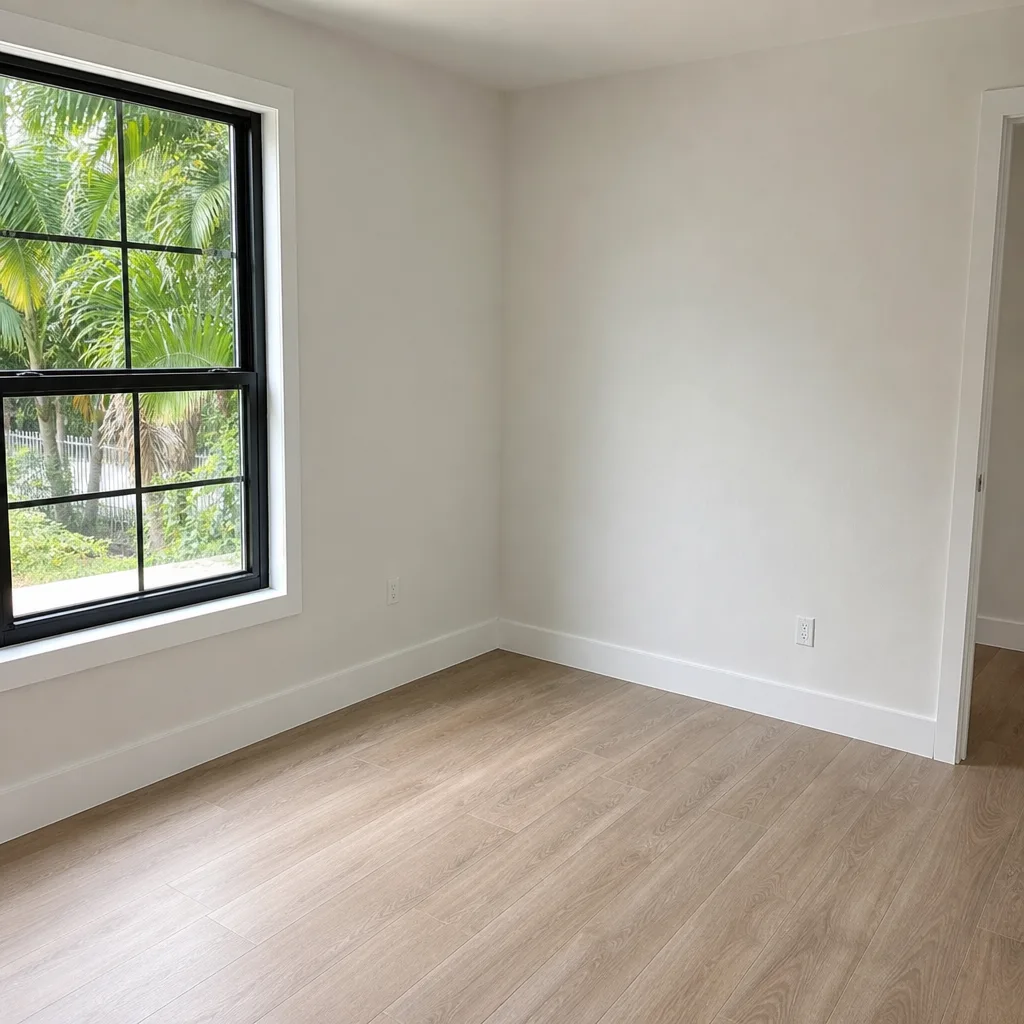
See the difference
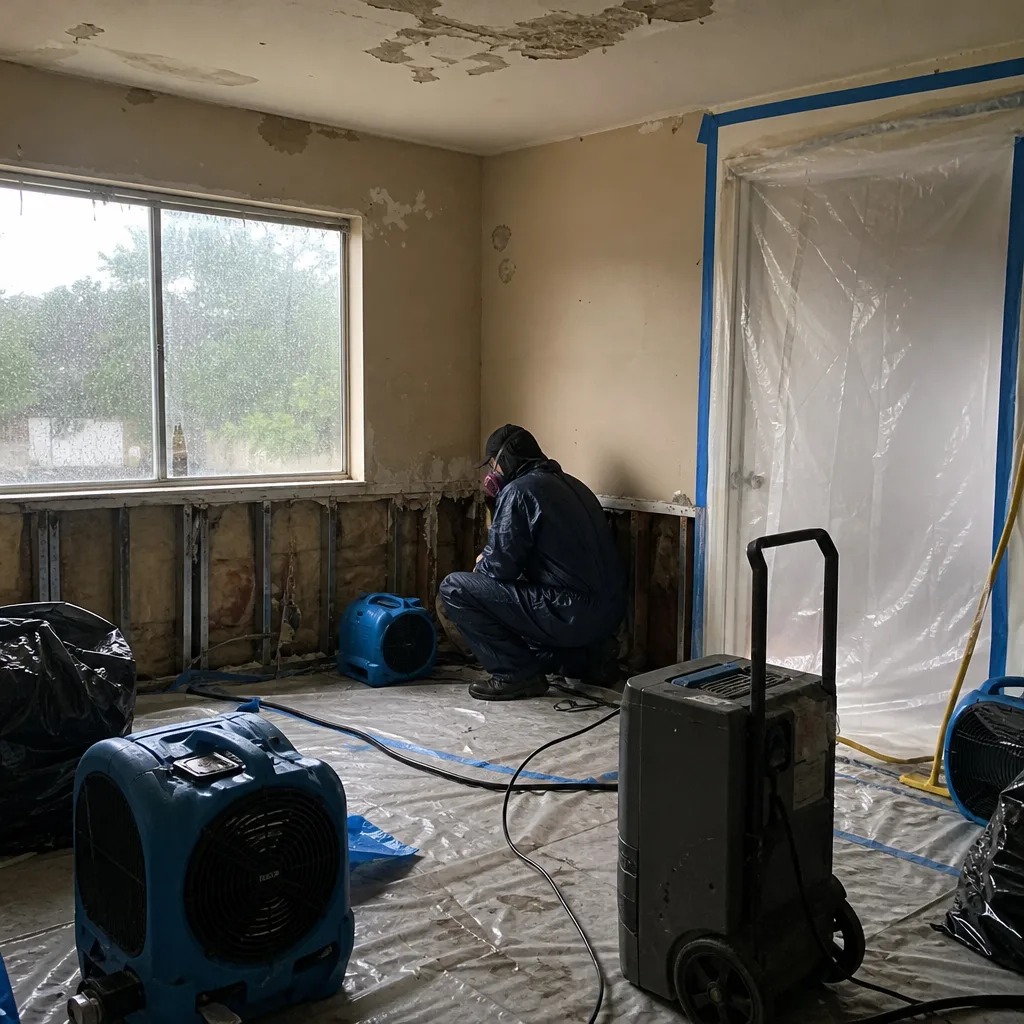 Before
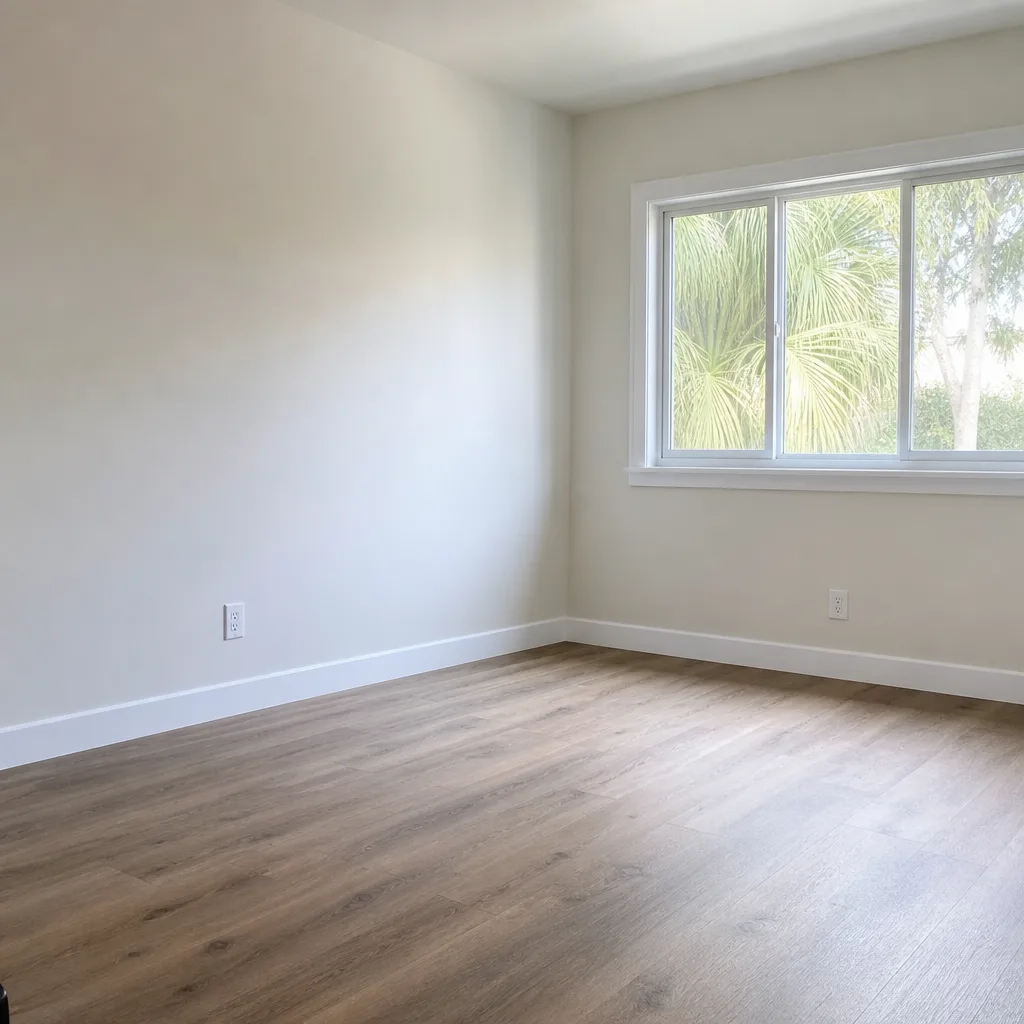 After
After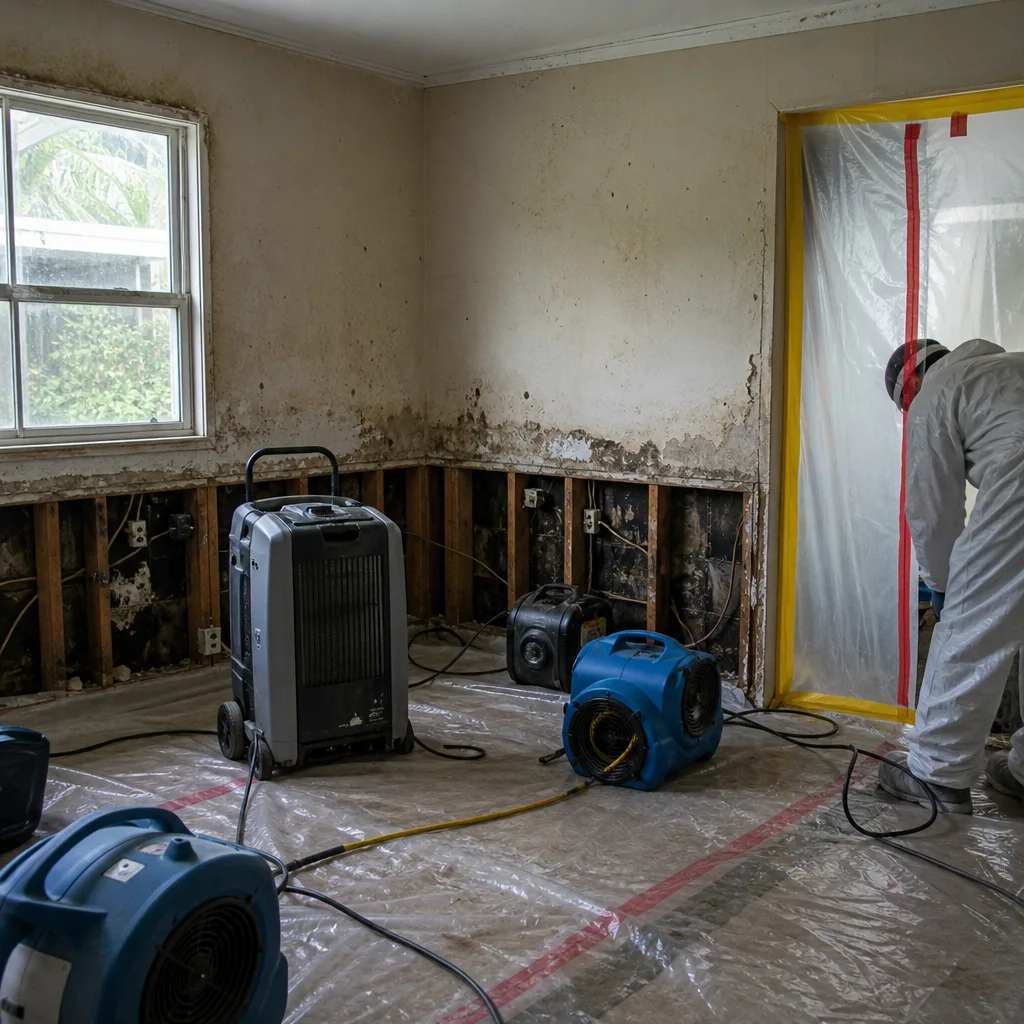 Before
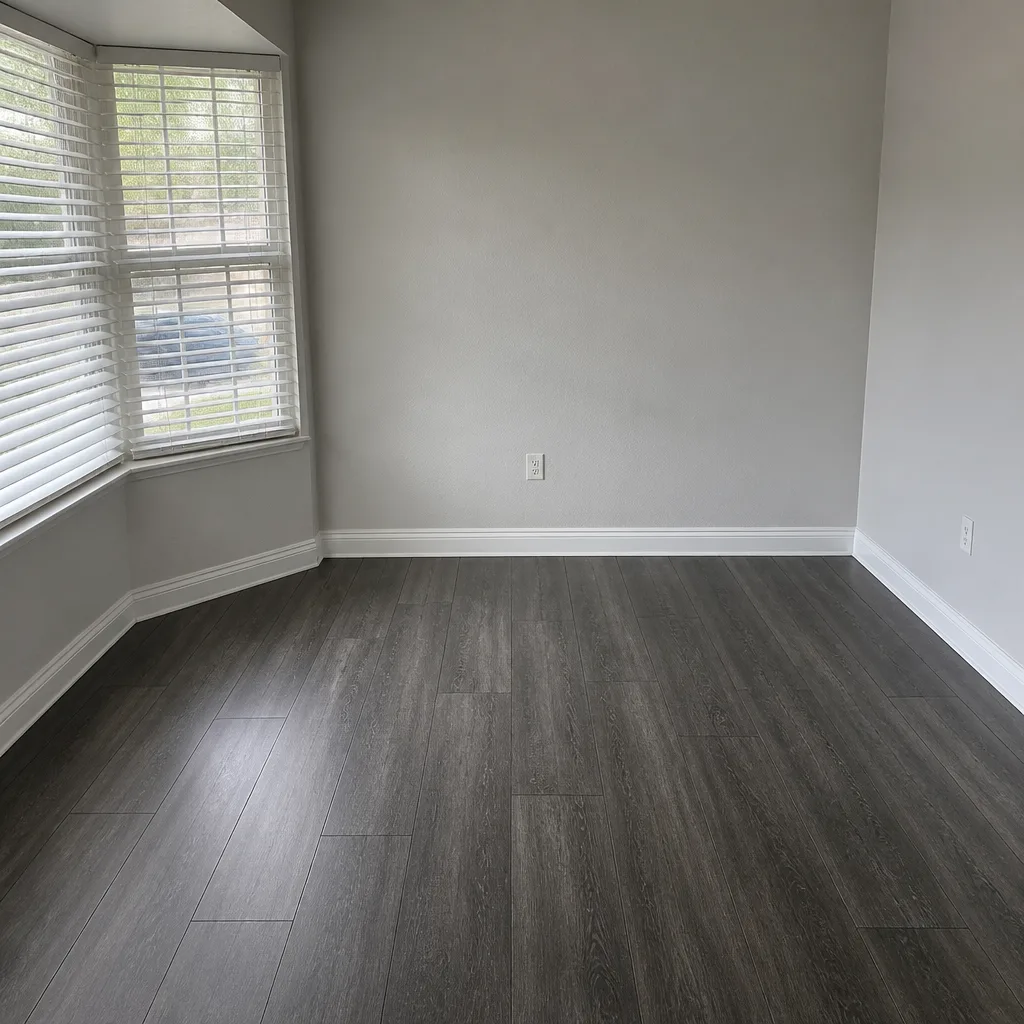 After
After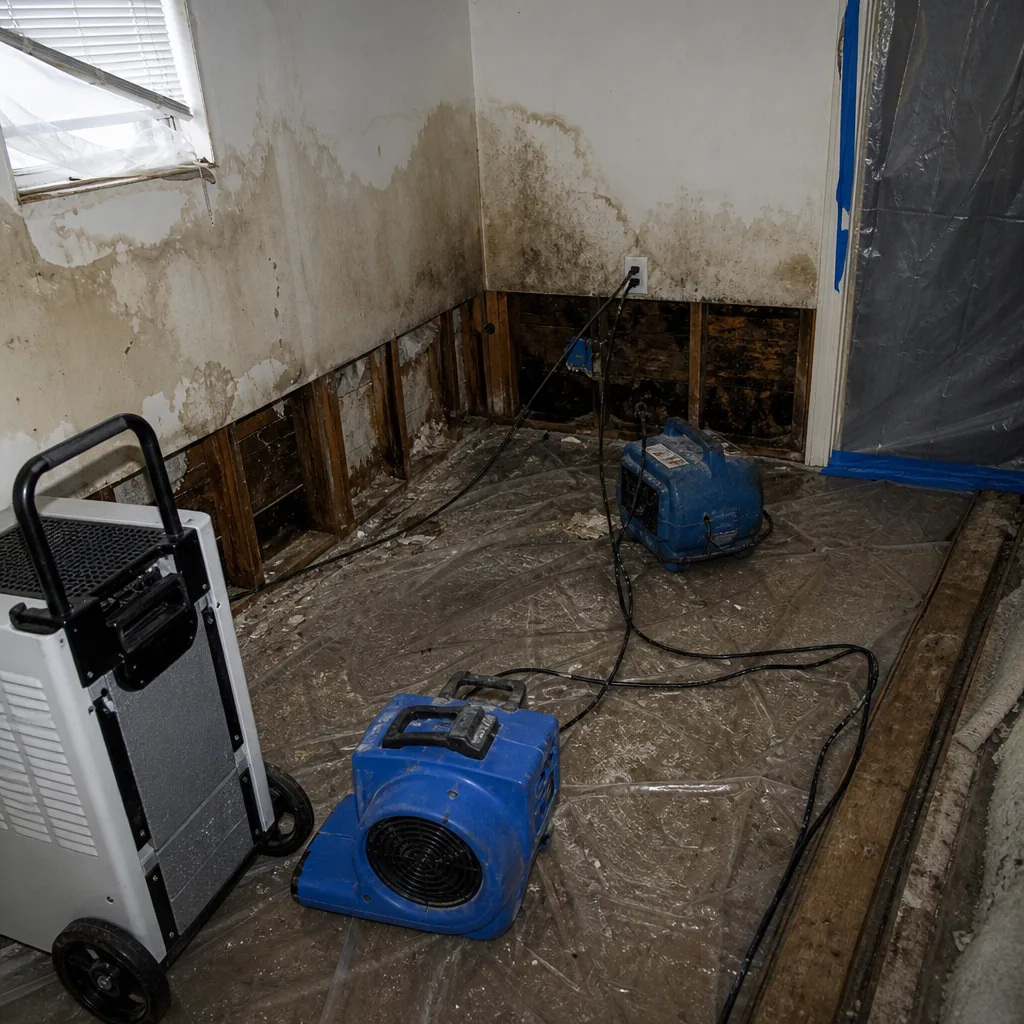 Before
 After
After