
 Fire & smoke cleanup
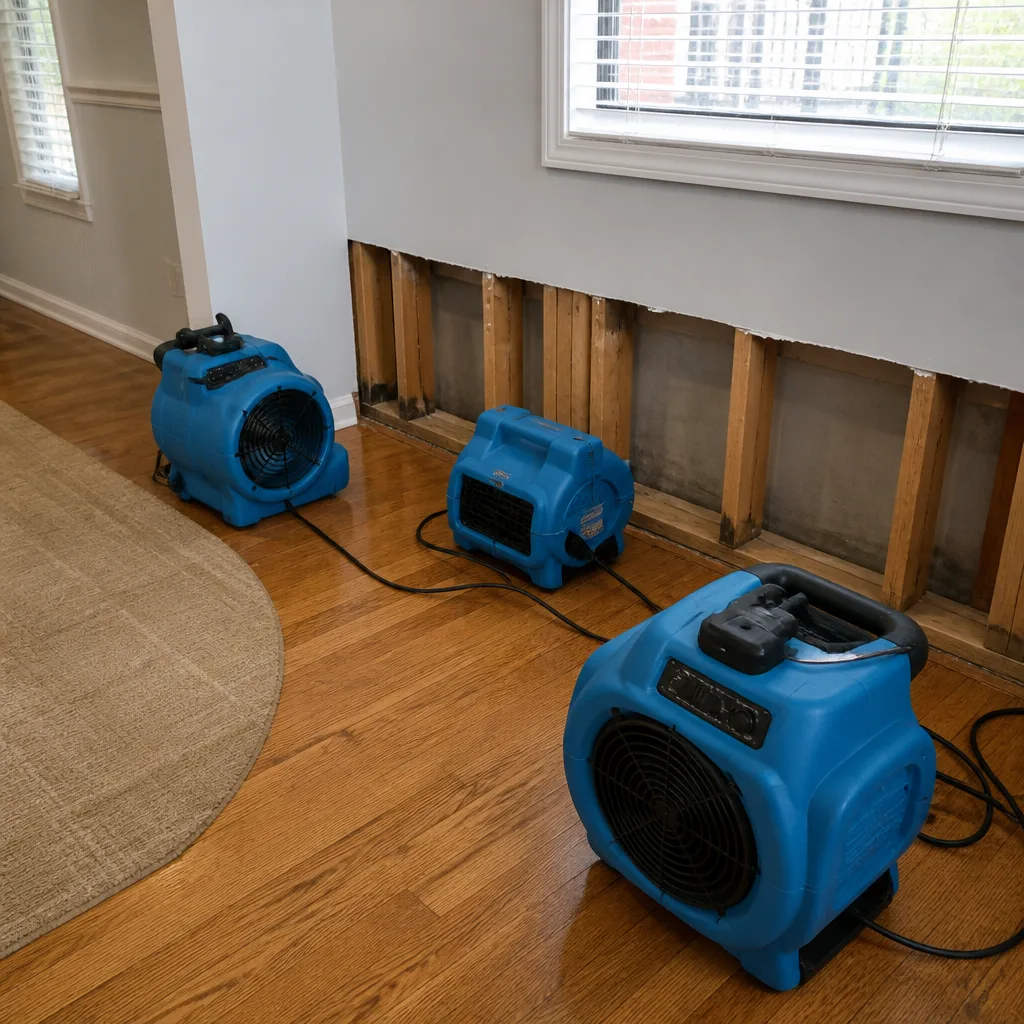 Water damage drying
 Mold remediation
 Storm response
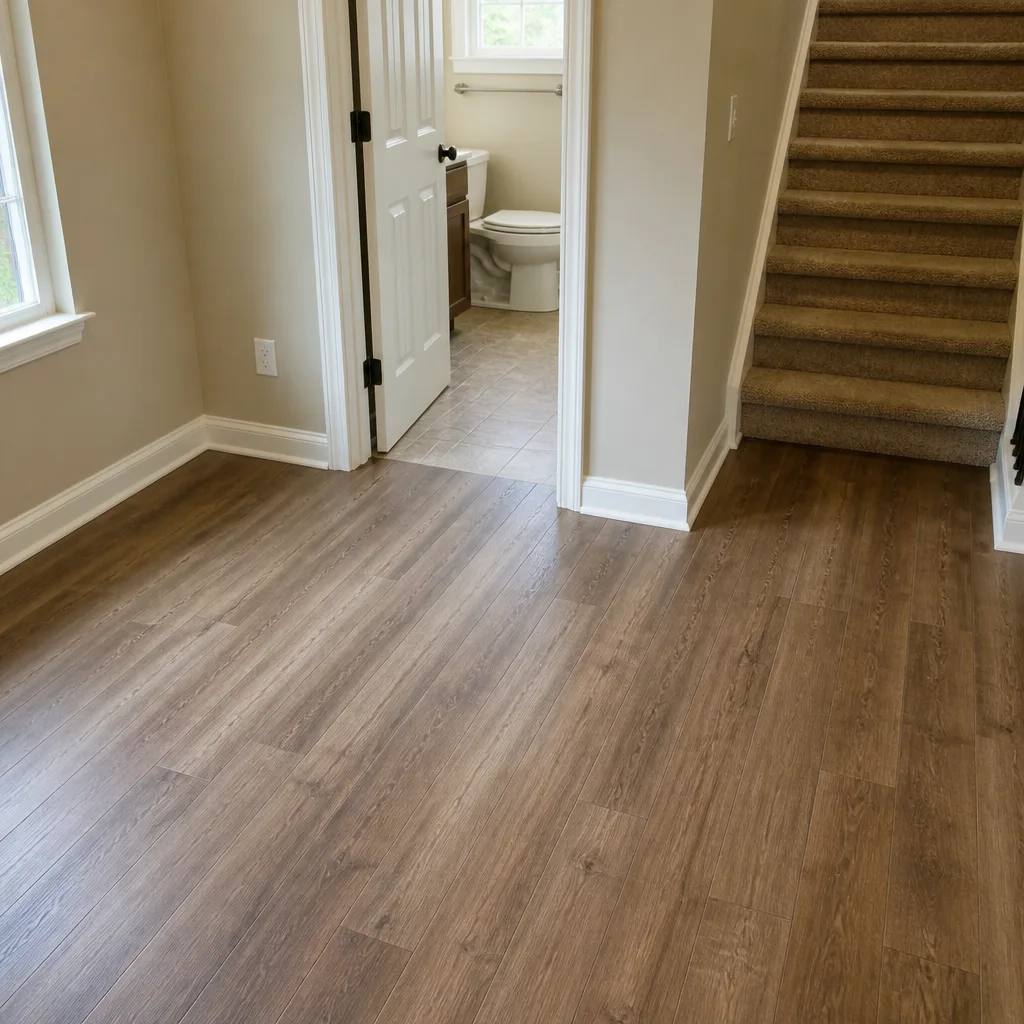 Sewage cleanup
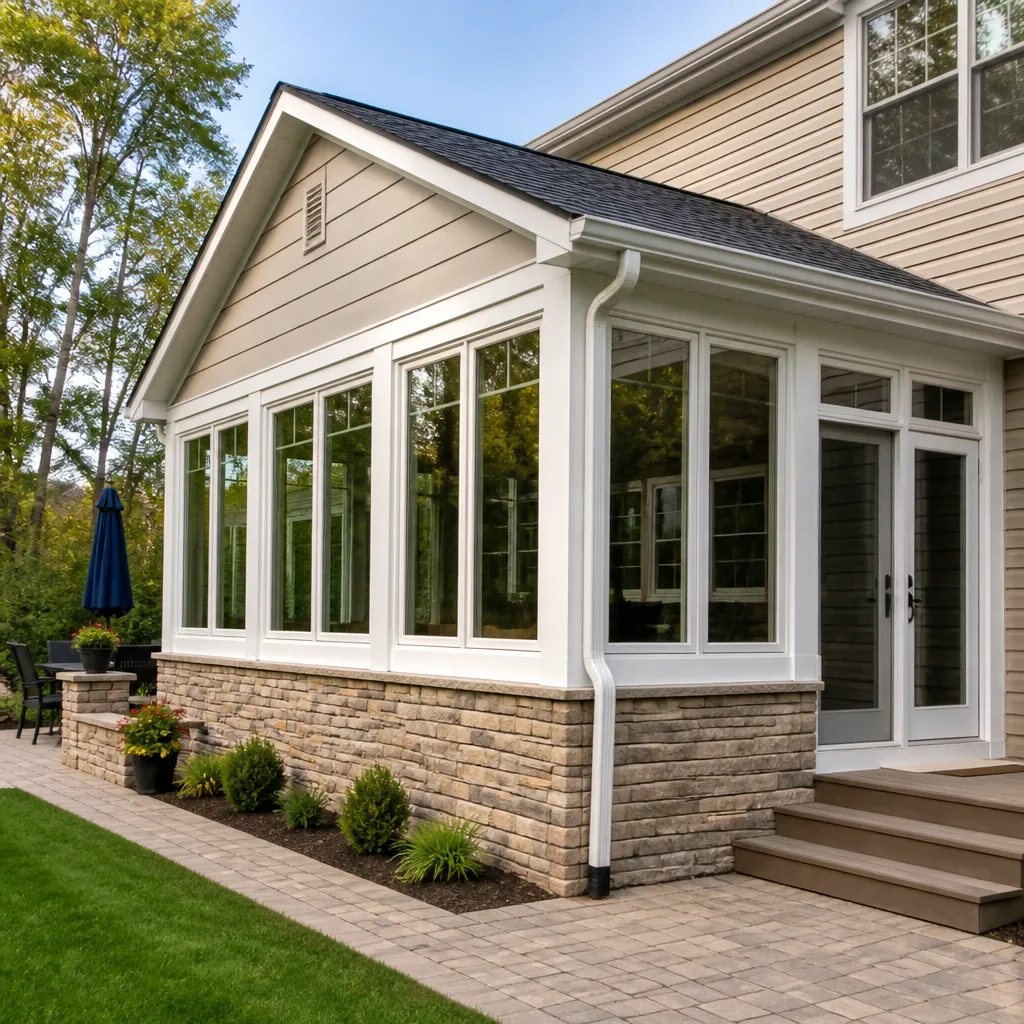 Reconstruction
Free visual inspection and a written scope of work before any mitigation begins - photos, moisture readings, and drying logs go in your claim file
The scope we write is the scope we bill. Anything new gets shown to you, in writing, before we touch it.
Get your free estimateRestoration work we handle
See the difference
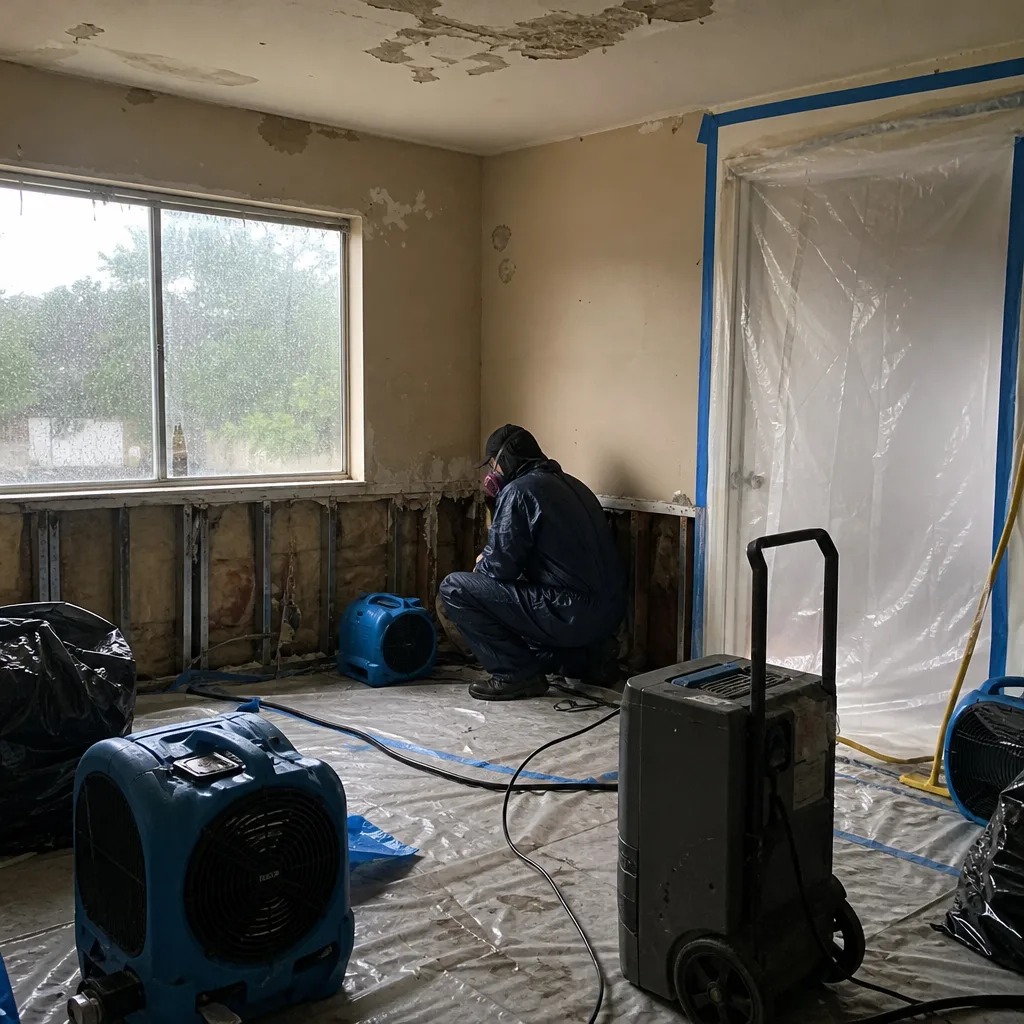 Before
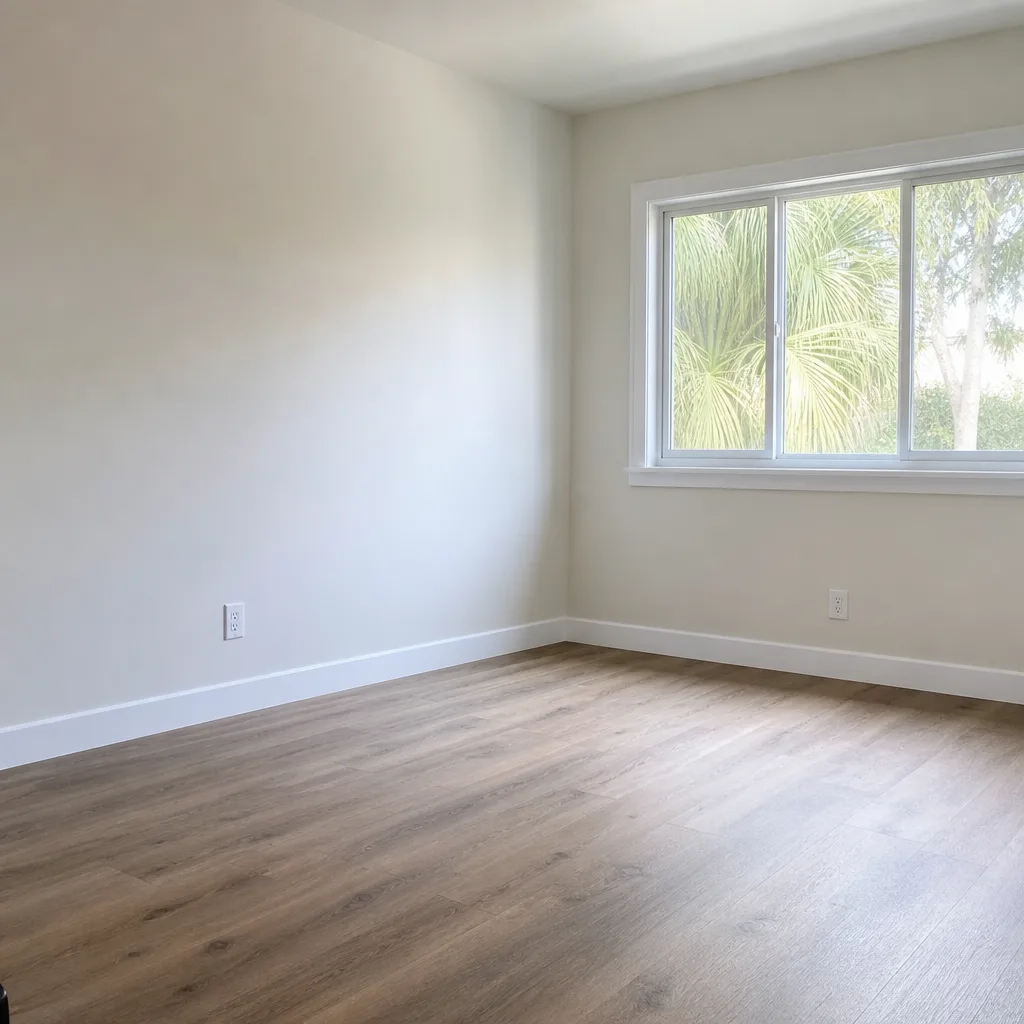 After
After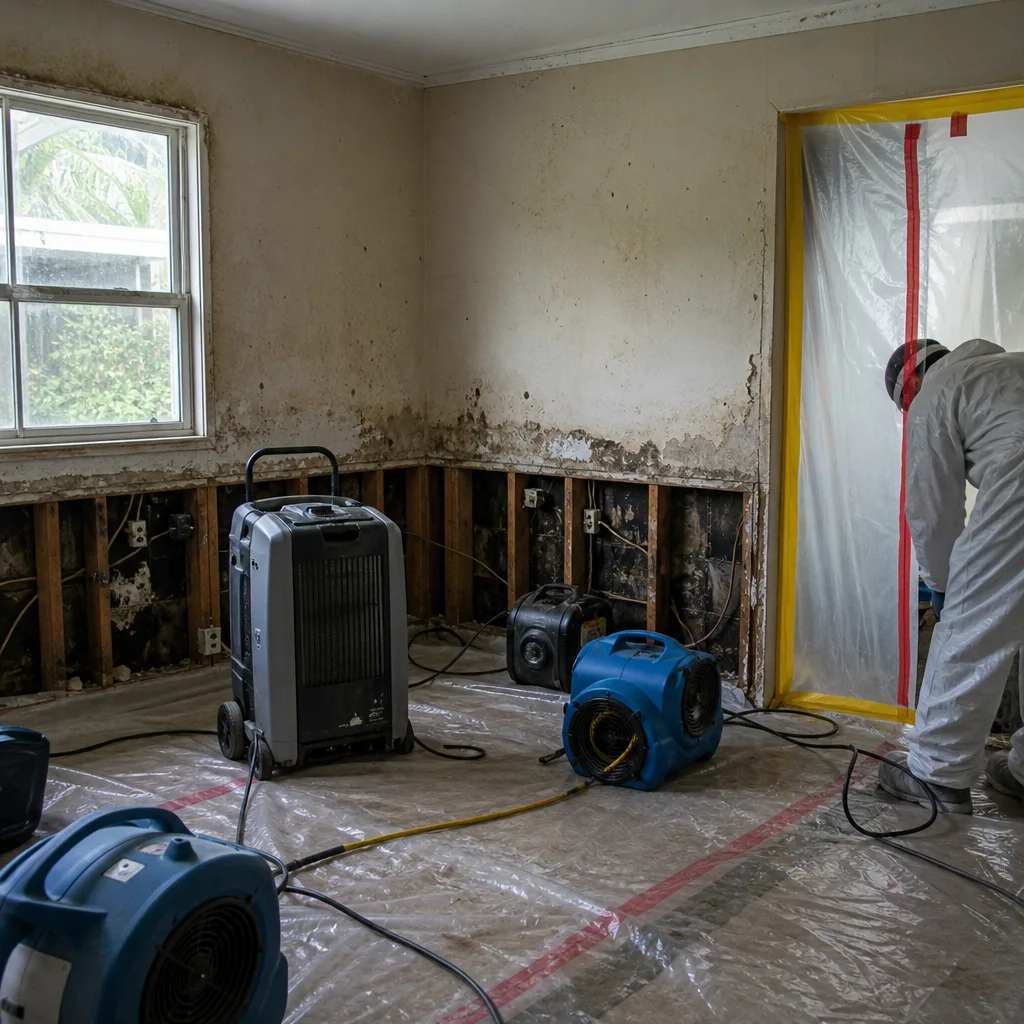 Before
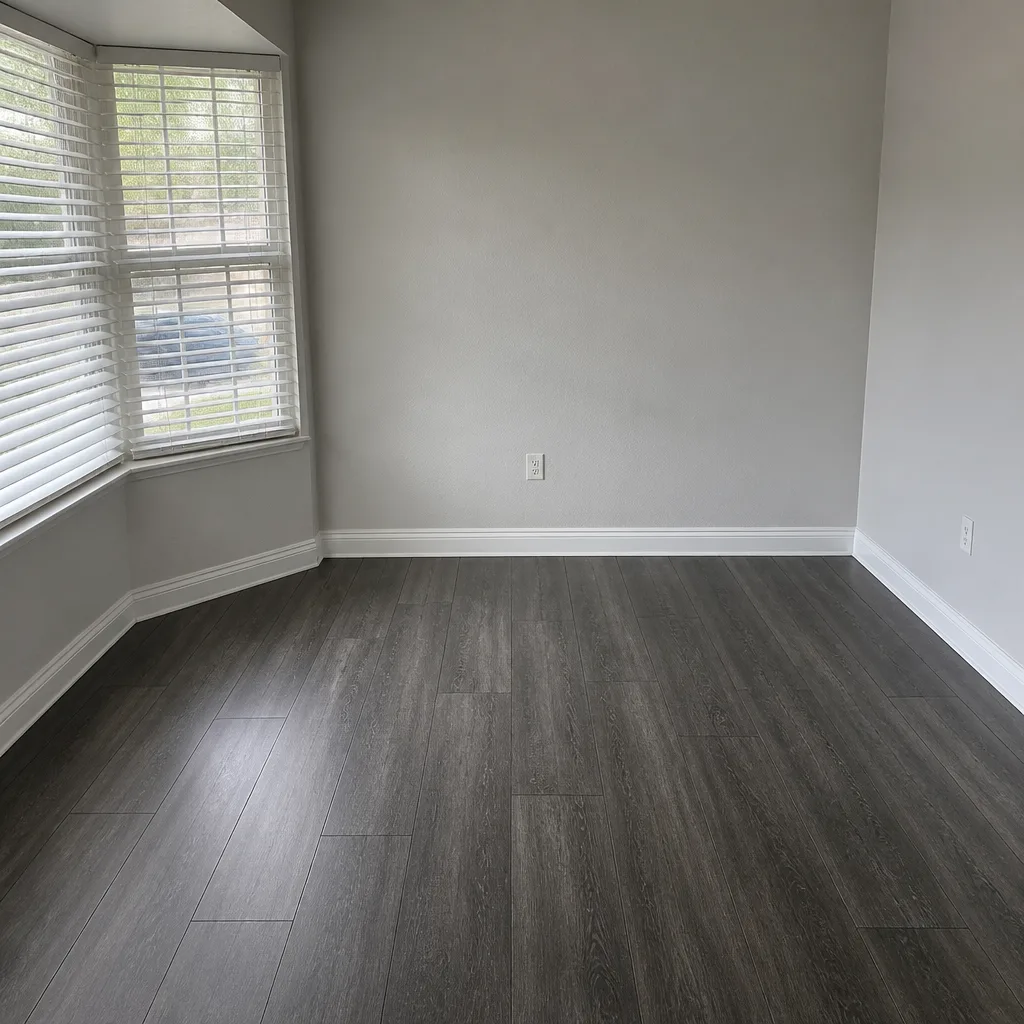 After
After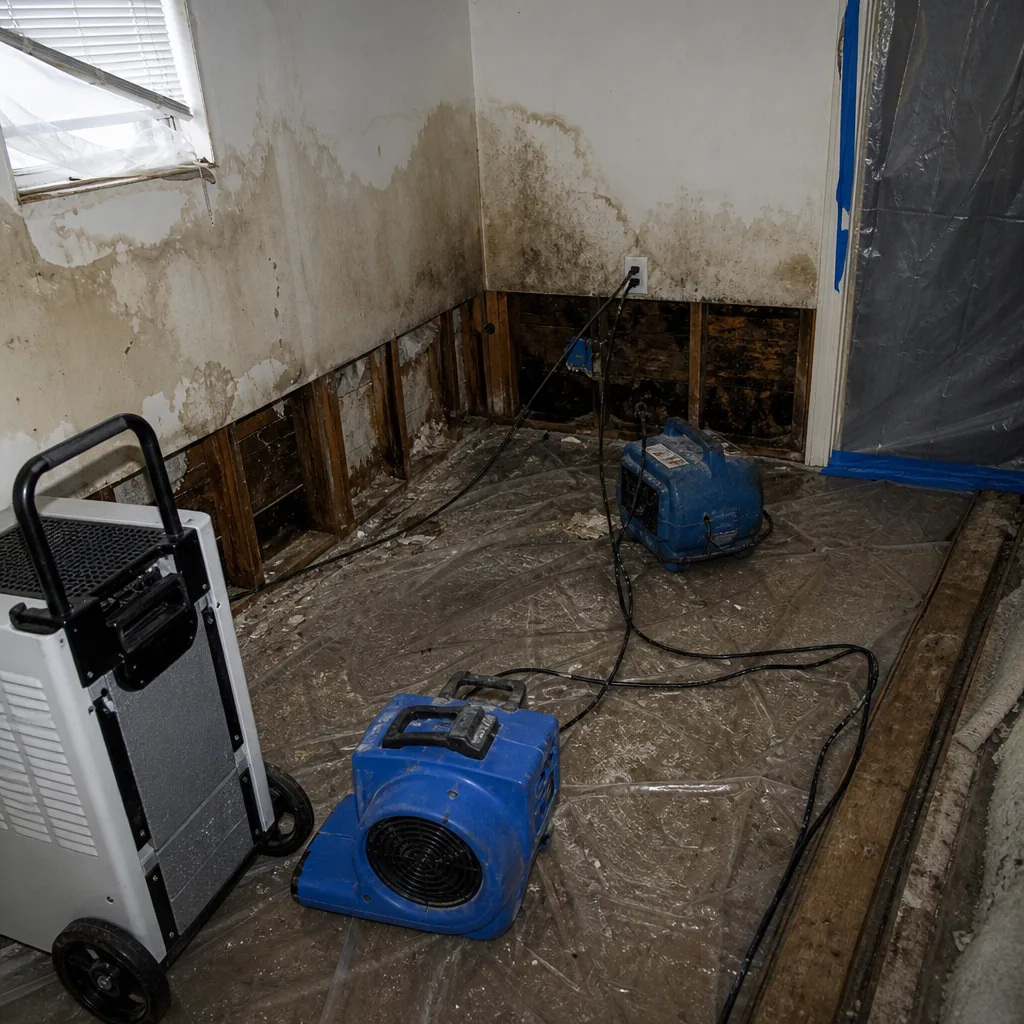 Before
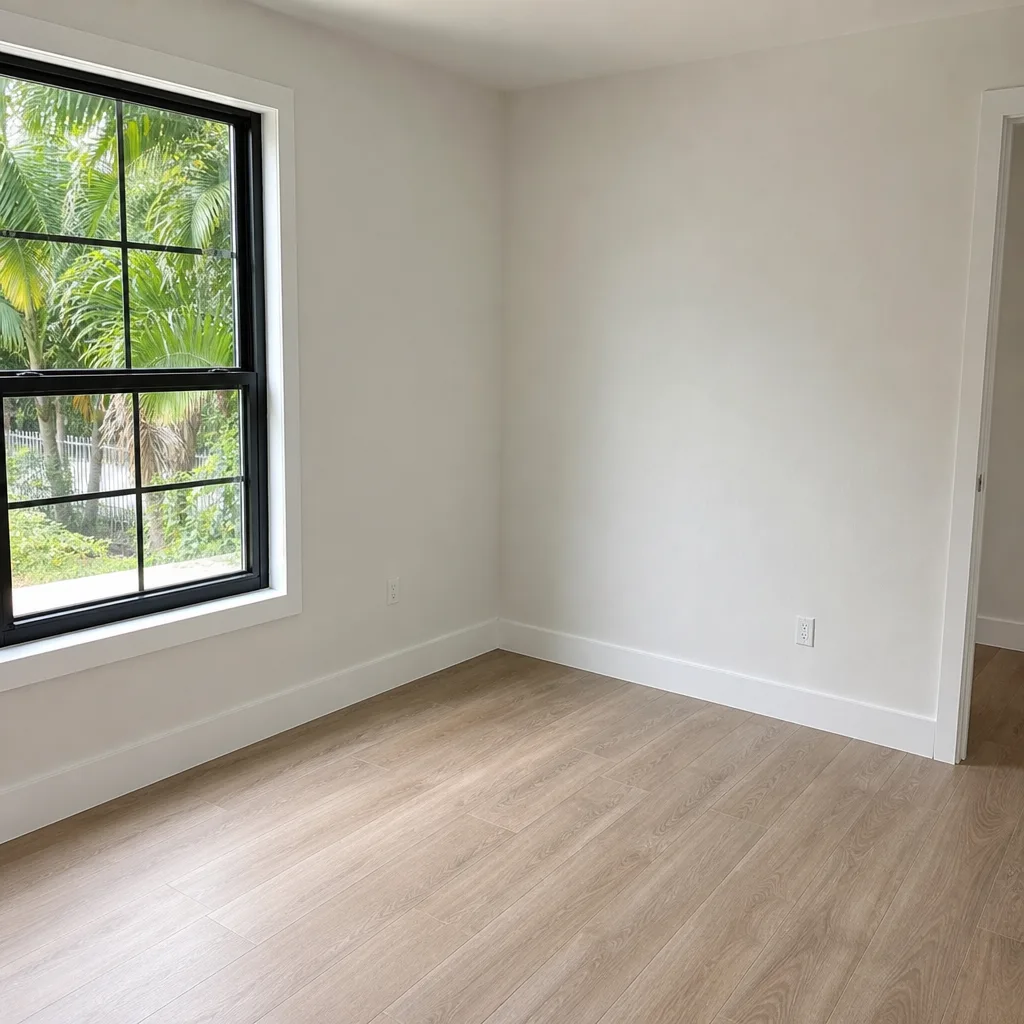 After
AfterHow Much Does Fire & Smoke Damage Restoration Cost in Miami?
Fire and smoke damage restoration in Miami typically costs between $3,200 and $18,000 for a full cleanup and rebuild, with most homeowners paying around $8,500. Smaller contained kitchen fires often land in the $2,500 to $6,000 range, while whole-home smoke damage that requires structural repairs and months of odor treatment can exceed $30,000. These numbers reflect Miami’s 2026 market, where humidity, older housing stock, and insurance requirements shape the final bill more than almost any other factor.
If you’re standing in a smoke-damaged living room right now, the number floating through your head is probably closer to zero: you just want to know how bad this is going to get. Here’s the honest version. Soot travels. Smoke from a kitchen fire in Coral Gables will find its way into the ductwork, behind the drywall, and into the fibers of your couch in Little Havana. The cost of restoration is less about what burned and more about where the smoke went. That’s why we wrote this guide: so you can see real Miami numbers, line by line, before you make a single phone call.
Key Takeaways:
- Typical Miami fire restoration cost: $3,200 to $18,000, with $8,500 as the midpoint
- Small kitchen or appliance fires: $2,500 to $6,000
- Full-home smoke and structural restoration: $20,000 to $50,000+
- Insurance covers most fire damage, but fire and smoke restoration in Miami still requires a detailed itemized estimate
- You should pay nothing to get an estimate: Dryden Restoration Miami provides free written pricing, call (850) 533-8588
Fire & Smoke Damage Restoration Cost Breakdown (2026)
Here’s what a mid-sized house fire restoration actually costs in Miami right now, broken into the line items a restoration company will put on your estimate. These ranges come from projects we’ve priced and completed across Miami-Dade County, from Homestead to Aventura, adjusted for 2026 material and labor costs.
| Restoration Component | Typical Miami Cost Range | Notes |
|---|---|---|
| Emergency board-up and tarping | $350 to $800 | Same-day service; protects the home from weather and theft |
| Soot and smoke residue cleaning (per room) | $450 to $1,200 | Walls, ceilings, fixtures; heavy soot raises the price |
| Air duct cleaning after fire | $400 to $1,000 | Smoke gets pulled into HVAC; this is non-negotiable in Miami’s AC-dependent homes |
| Ozone or thermal fogging odor treatment | $600 to $2,000 | Whole-home treatment; sometimes multiple passes needed |
| Structural cleaning and deodorizing of studs | $1,500 to $4,500 | Required when drywall is removed and framing is exposed |
| Content cleaning (furniture, clothes, electronics) | $1,000 to $5,000 | Off-site cleaning for textiles; ultrasonic for small items |
| Drywall and insulation removal and replacement | $2,000 to $8,000 | Fire-damaged and water-damaged material must come out |
| Painting and finish work | $1,500 to $6,000 | Sealing primer required before paint; Kilz or equivalent |
| Flooring replacement (if fire or water damaged) | $2,500 to $12,000 | Tile survives; laminate and carpet rarely do |
Three things push a Miami fire restoration bill higher than the national average. First, humidity. Smoke odor binds to moisture in the air, so homes here need longer drying and more aggressive deodorizing, which means more machine hours and more passes. Second, the age of the housing stock. A 1950s concrete-block home in Shenandoah may hide smoke in places a newer build wouldn’t. Third, insurance adjusters in South Florida are notoriously slow after large events, and the longer a home sits with soot on the walls, the more it etches into paint and drywall, raising restoration cost by 15 to 30 percent.
What Affects Fire & Smoke Damage Restoration Pricing in Miami
Every estimate you get will vary. Here are the five or six levers that move the number most.
- Type of fire (protein vs. synthetic). A grease fire on the stove produces a thin, nearly invisible residue that clings to everything and smells terrible. A fire involving plastics and synthetics produces thick, black, acidic soot. Protein fires are cheaper to clean but harder to deodorize; synthetic fires are more labor-intensive from the start. We see both in Miami kitchens.
- How far the smoke traveled. A contained fire in a Doral kitchen with the door closed might need $3,000 in work. The same fire with the door open sends smoke through the whole house, into the ducts, and up to the second floor, tripling the price. Smoke travels through wall cavities and around outlets, not just through open doors.
- Water damage from firefighting. Here’s what nobody tells you before a fire: the water used to put it out does its own damage. Firefighters may run 200 to 500 gallons through your home. That water soaks drywall, insulation, and floors, and in Miami’s climate, wet material grows mold within 48 to 72 hours. Restoration almost always includes drying and often includes mold remediation, adding $2,000 to $10,000.
- HVAC contamination. Miami homes run air conditioning nine to ten months a year. When smoke enters the system, it circulates soot into every room and into the ductwork itself. Duct cleaning, coil cleaning, and filter replacement add $800 to $2,500, and skipping this step means the smoke smell comes back every time the AC kicks on.
- Contents and personal property. A house full of furniture, rugs, clothing, and books costs more to clean than a minimally furnished one. Textiles absorb smoke deeply, and some items, like mattresses and large upholstered pieces, often can’t be fully restored and must be replaced.
- Permits and compliance in Miami-Dade. Structural repairs after a fire often trigger permit requirements, especially in incorporated cities like Coral Gables, Hialeah, and Miami Beach, each of which has its own building department. Permits typically add $200 to $800 to a project, plus the time required for inspections.
How Much Does Fire Damage Restoration Cost by Home Size in Miami?
Home size is the simplest predictor of cost. Here’s how restoration pricing scales across the housing types we see most in Miami-Dade County.
- Apartments and condos (under 1,000 sq ft). A kitchen fire in a Brickell high-rise or a Little Havana apartment typically costs $2,500 to $7,000 to restore. The challenge is smoke containment: in a shared building, smoke travels to neighboring units through chases and corridors, which complicates the scope even if your own unit is small.
- Small single-family homes (1,000 to 1,800 sq ft). Expect $5,000 to $15,000, depending on the room of origin and the extent of smoke travel. A 1940s bungalow in Shenandoah or Allapattah will have plaster walls rather than gypsum board, and smoke restoration on plaster requires different cleaning chemistry.
- Mid-size homes (1,800 to 3,000 sq ft). This is the most common restoration we price, and the range is $8,000 to $25,000. Homes in Kendall, Pinecrest, and Cutler Bay in this size bracket often have open floor plans, which means smoke spreads fast and the whole first floor needs treatment.
- Large homes (3,000+ sq ft). Full restoration runs $18,000 to $50,000 or more. In neighborhoods like Coral Gables, Coconut Grove, or Key Biscayne, high ceilings and custom finishes raise the labor cost significantly.
Is Fire Damage Restoration Covered by Insurance in Miami?
In most cases, yes. Standard homeowners insurance policies in Florida cover fire and smoke damage as named perils. That means the restoration costs above are typically reimbursable, minus your deductible, which in Miami-Dade commonly runs $1,000 to $5,000 depending on your policy. The practical issue is that insurance companies reimburse based on their own adjuster’s scope of work, which is frequently lower than what a restoration company’s estimator finds on site.
This is where itemized, written pricing becomes essential. When we provide a scope of work for a fire loss in Miami, we document every line item: square footage of affected drywall, linear feet of ductwork, the number of content-cleaning hours. That document becomes the basis for your claim. If the adjuster’s number and our number don’t match, you have the written detail to push back.
You’ll also want to know that Florida has a statute of limitations for property insurance claims, and after Hurricane Irma and the Surfside tragedy, carriers have become slower to respond. The sooner restoration begins, the lower your final cost, because soot and moisture compound over time. If you’re waiting on an adjuster, we can provide emergency board-up and mitigation pricing now, with documentation your carrier will accept.
For a walkthrough of what full fire cleanup involves before the rebuild, see our guide to Fire & Smoke Damage Restoration in Miami. It covers the sequence of work from first response to final coat of paint, written for homeowners who’ve never been through this before.
How the Restoration Process Works (And Where Your Money Goes)
Here is the sequence we follow on a typical Miami house fire, and what each phase costs. If you’ve never hired a restoration company, this is what the line items on your estimate mean in real life.
Step 1: Emergency Response and Board-Up (Day 1)
The home gets secured: windows covered, doors braced, roof tarped if the fire breached the envelope. This costs $350 to $800 and happens the same day you call. In Miami’s rainy season, from June through October, this step is urgent. An unboarded home in a summer thunderstorm can turn a $6,000 fire restoration into a $20,000 fire-plus-water restoration.
Step 2: Initial Assessment and Written Estimate (Days 1 to 3)
A restoration estimator walks the property, documents the affected areas, measures moisture content in walls and ceilings, and identifies what’s restorable versus what requires replacement. At Dryden Restoration Miami, you receive a written price before any tools are unloaded. Carl Brandt, who runs our Miami operation, reviews every fire estimate before it’s delivered. You’ll know the dollar figure before you commit.
Step 3: Water Extraction and Drying (Days 1 to 5)
The water used by the fire department has to come out before anything else makes sense. We run professional-grade drying equipment, Dri-Eaz and Phoenix dehumidifiers, along with high-volume air movers from XPOWER and B-Air. Psychrometric drying, the scientific approach to measuring moisture in air and materials, drives the schedule: we monitor relative humidity, the percentage of moisture in the air, and grain depression daily until the structure is dry. This phase runs $1,500 to $4,500 on a typical fire where the fire department used meaningful water.
Step 4: Soot and Smoke Removal (Days 3 to 10)
Every surface in the affected area gets cleaned: walls, ceilings, baseboards, doors, fixtures. We use dry sponges for loose soot, then chemical cleaners for the residue that has bonded to surfaces. This is slow, meticulous work, and it is where choosing a company that shows up with trained technicians matters. A rushed soot removal can permanently etch smoke into drywall, forcing a repaint that might otherwise have been avoided. Expect $450 to $1,200 per room.
Step 5: Odor Treatment (Days 5 to 14)
Cleaning removes the soot; odor treatment removes the smell. We use two methods depending on the fire: ozone treatment, which oxidizes odor molecules, and thermal fogging, which creates a heated deodorizing fog that penetrates where smoke penetrated. Both are sometimes needed. In a Miami house where the AC has circulated smoke through every room, a whole-home treatment runs $600 to $2,000. After treatment, the home gets aired with ventilation equipment, and we re-test for residual odor before calling this phase done.
Step 6: Structural Repairs and Replacement (Weeks 2 to 8)
Anything that burned, warped, or absorbed water and smoke beyond restoration gets removed and replaced. Drywall, insulation, flooring, and trim are the usual candidates. This is the largest single line item on most fire restoration estimates, ranging from $2,000 to $12,000 depending on the damage. Permits are pulled when required, and the work is done to IICRC, RIA, and IFA standards, which are the restoration industry’s recognized benchmarks for how the work should be performed.
Step 7: Final Cleaning and Guarantee (Week 8+)
The home gets a final cleaning: floors, windows, surfaces, and a once-over of the HVAC system. You do a walkthrough with the project lead. Then you receive your written 365-Day Done Right Promise, the Kingswell guarantee that says if any covered repair fails within a full year, we come back and make it right at no charge. That’s not a verbal promise. It’s in writing, on every job.
How to Save on Fire & Smoke Damage Restoration in Miami
Here’s what actually reduces your restoration bill, in order of impact.
- Call the same day. Soot etches into paint and glass within days. Smoke odor bonds deeper into textiles every week. The cost difference between day-one mitigation and week-two mitigation is routinely 20 to 40 percent.
- Work with your insurance from the start. A restoration company that documents correctly saves you money on the claims process. Detailed photos, moisture readings, and itemized scopes are what move adjusters.
- Ask what can be cleaned versus replaced. A good company will tell you honestly when a sofa is restorable. An aggressive one will replace everything. Itemized estimates let you see the distinction.
- Get a written price before work begins. This is the single biggest money saver: a price that doesn’t change at the door. You should never accept a restoration estimate verbally.
- Don’t skip HVAC cleaning. We know it seems like a line item you could cut, but in Miami, leaving smoke in the ducts means living with the smell indefinitely. Cleaning now costs $400 to $1,000; re-cleaning the whole house later because the smell came back costs far more.
If you’re comparing companies and want our number, call (850) 533-8588. The estimate is free, it’s written, and you’ll have it before you decide anything.
The Miami Fire Restoration Market: What Makes It Different
If you’ve priced fire restoration in other states, Miami numbers may look high. They are, and here’s why.
Humidity is the biggest factor. Most of the year, outdoor relative humidity in Miami sits between 70 and 85 percent. Water used in firefighting doesn’t evaporate naturally here at the rate it does in drier climates. Drying takes longer, requires more machine days, and often requires sealing off unaffected areas to control humidity during the restoration. That’s a labor cost and an equipment cost baked into every Miami estimate.
Aging housing stock plays a role too. The City of Miami has one of the oldest housing inventories in Florida, with many homes built before modern fire codes and before central air conditioning was standard. Older homes have plaster walls, hardwood floors, and single-pane windows that all respond differently to fire and smoke than modern construction. Knob-and-tube wiring still exists in some pre-1940 homes, which complicates both the fire risk and the restoration.
Insurance dynamics in South Florida have gotten harder for homeowners since 2022. Premiums are up, some carriers have pulled out of the state, and claims processing is slower. The practical effect: homeowners are paying more out of pocket for mitigation while they wait on claims, which makes upfront written pricing more important than it’s ever been.
FAQs – Fire & Smoke Damage Restoration Cost
How much does fire damage restoration cost per square foot in Miami?
Fire damage restoration in Miami typically runs $12 to $28 per square foot for the affected area, so a 500-square-foot fire zone costs $6,000 to $14,000 to fully restore. Smoke damage that spread beyond the burn area is priced per room and per system, not per square foot. Call (850) 533-8588 for a written per-square-foot breakdown on your specific home.
Is it cheaper to repair or replace after a fire?
For contents like furniture and textiles, cleaning usually costs 20 to 40 percent of replacement value, so repair is cheaper when the item is structurally sound. For structural elements like burned drywall or melted flooring, replacement is almost always the economical choice because repair would require the same labor with worse results. An itemized estimate shows you the math for each line.
How much does smoke odor removal cost in Miami?
Standalone smoke odor removal without structural fire damage runs $1,200 to $4,000 in Miami, depending on home size and whether the HVAC system is involved. Ozone and thermal fogging are the core methods, and multiple treatments are sometimes required when smoke has penetrated walls and ducts. If the smell is from a neighbor’s fire or a contained kitchen burn, this is the range you’ll see.
Can fire restoration be done in a day?
Board-up and initial soot mitigation can happen the day you call, but full fire restoration takes one to eight weeks depending on the extent of the fire. A small contained kitchen fire with no structural damage may be fully cleaned and deodorized in three to five days. No honest company will promise a whole-home fire restoration in a single day.
How much does a small kitchen fire cost to restore in Miami?
A contained kitchen fire, where the fire stayed in the kitchen but smoke spread through the house, typically costs $4,000 to $9,000 to restore in Miami. That includes soot cleaning in the kitchen, whole-home deodorizing, duct cleaning, and repainting the affected areas. If the fire department used water to extinguish it, add $1,500 to $3,000 for drying.
Does homeowners insurance cover fire restoration in Florida?
Yes. Fire and smoke damage are named perils in almost every Florida homeowners policy, and restoration is covered minus your deductible, which typically runs $1,000 to $5,000 in Miami-Dade. The amount the insurer pays is based on the adjuster’s scope, which is why a detailed written estimate from your restoration company matters for getting fully reimbursed. We prepare documentation your carrier will accept and walk you through the claim.
Why Written Pricing Matters on Fire Restoration
Fire restoration is the one service where homeowners routinely get surprised at the door. The house is damaged, you’re displaced or managing insurance, and the pressure is real. That’s the environment where vague verbal estimates turn into inflated final invoices.
At Dryden Restoration Miami, every fire project starts with a written price. We inspect the property, we document the affected areas, and we give you the number in writing before any work begins. That’s the Kingswell Way: say the price before the work, show up in the window we gave, leave the place cleaner than we found it, put the guarantee in writing, and come back if it fails.
The 365-Day Done Right Promise is part of that. It covers the repair work we perform. If a covered repair fails within one year, we return and correct it at no additional cost. You get this in writing on every job, including fire restoration. Carl Brandt, who leads our Miami team, has been pricing fire losses in South Florida since 2005, and he stands behind every estimate that leaves our office.
We answer the phone 24 hours a day, 7 days a week. A live person answers, not a voicemail tree. If your fire just happened or you’re getting bids and want a second number, call (850) 533-8588.
Pricing reflects the Miami market as of 2026. Dryden Restoration Miami offers free estimates – call (850) 533-8588.
Written by Carl Brandt, Owner at Dryden Restoration Miami, serving Miami since 2005.
What Our Customers Say
"Pipe burst under the sink while we were at work and the kitchen floor was soaked. Called Dryden and someone was there in under an hour with fans and a moisture meter. They stopped it from spreading into the living room."
- Gerald Foster"Dishwasher leaked for who knows how long under the cabinets. They found the hidden moisture, dried it, and treated it so mold wouldn't start. Explained everything and stood behind it in writing."
- Hailey Brennan"Our water heater let go overnight and flooded the hallway. They answered at 6am, showed up fast, and dealt with my insurance adjuster directly so I didn't have to fight that battle."
- Lydia Ferraro