
Last updated October 16, 2026
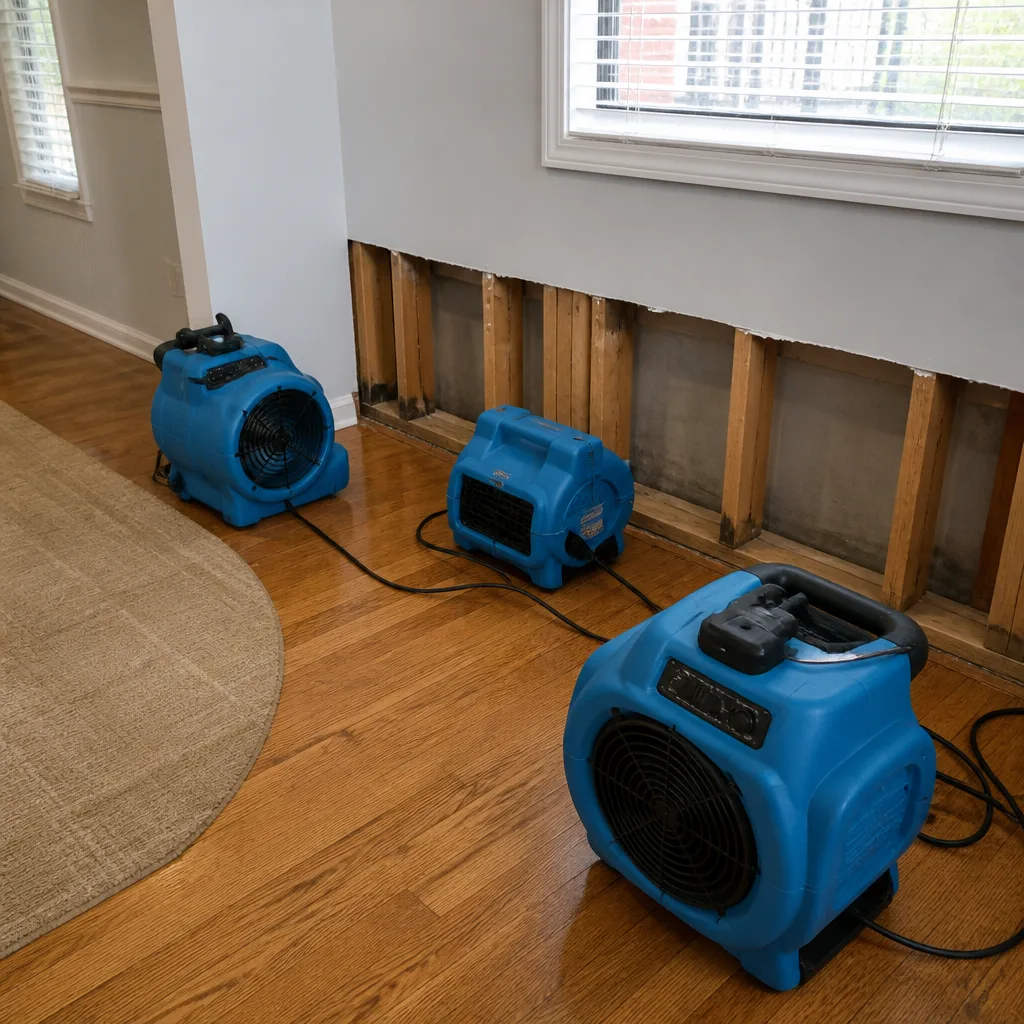 Water damage drying
 Fire & smoke cleanup
 Mold remediation
 Storm response
 Sewage cleanup
 Reconstruction
Free visual inspection and a written scope of work before any mitigation begins - photos, moisture readings, and drying logs go in your claim file
The scope we write is the scope we bill. Anything new gets shown to you, in writing, before we touch it.
Get your free estimateDamage Restoration Cost Breakdown: The Miami Homeowner’s Reference for 2026
When a Miami restoration estimate comes in at $9,800, most homeowners have no way to know if that’s fair or inflated by 40%. The line items most commonly padded are equipment rental fees and “applied antimicrobial” charges, and they rarely get explained. This guide fixes that. You’ll learn exactly what drives restoration costs in Miami in 2026, what each line item should actually cost, which charges deserve scrutiny, and how to read an estimate like an adjuster. We’ll give you real numbers tied to real scenarios, not ballpark figures designed to avoid accountability.
Restoration work we handle
Quick Answer
Water damage restoration in Miami typically costs between $800 and $14,000 in 2026, depending on the water source, affected square footage, and drying time. A single-bathroom toilet overflow runs $800 to $2,200, while a sewage backup affecting multiple rooms runs $4,500 to $14,000. Miami’s humidity extends drying timelines 15 – 25% beyond national averages, adding roughly $75 – $150 per day in equipment costs that you should see itemized on any honest estimate.
Table of Contents
- What Restoration Actually Costs: Five Miami Scenarios
- The Line-Item Decoder: What Each Charge Should Cost
- Why Miami Drying Timelines Run Longer (And What It Costs You)
- Miami-Dade Permits: When They’re Mandatory and What They Cost
- Insurance Claims: Independent vs. Preferred Vendor Pricing
- How a Daily Moisture Log Protects Your Budget
- Common Mistakes to Avoid
- When to Call a Professional
- Frequently Asked Questions
- The Bottom Line
What Restoration Actually Costs: Five Miami Scenarios
Restoration costs aren’t random. They follow the water source, the square footage affected, and the category of water. Here are the five scenarios our team sees most often in Miami, with the real price ranges homeowners should expect in 2026.
Scenario 1: Toilet Overflow (Single Bathroom)
Typical range: $800 – $2,200. A clean-water toilet overflow contained to one bathroom is the most common call we get. The work includes extraction, baseboard removal if saturated, drying with air movers and a dehumidifier for 2 – 4 days, antimicrobial treatment, and reinstallation of baseboards. If the water is clean and caught within 24 hours, you’re looking at the lower end. If it seeped into the vanity, behind the toilet, or under tile, expect the higher end because those areas need controlled demolition to dry properly.
In neighborhoods like Kendall and Coral Gables, where many homes have older cast-iron plumbing under slab, a toilet overflow can become more complicated if the water traveled under the flooring. That pushes costs toward $2,500, but that’s a plumbing issue layered on top of restoration, not restoration itself.
Scenario 2: Washing Machine Leak (Laundry Room + Adjacent Room)
Typical range: $1,400 – $3,800. A supply-line failure or drain-pan overflow moves water fast. By the time you notice it, the laundry room floor, the wall behind the machine, and the adjacent room’s carpet or laminate are soaked. This scenario requires extraction, demolition of wet drywall (typically 2 feet up the wall), drying of the wall cavities, and flooring removal in the adjacent room.
The cost driver here is floor type. Tile over concrete, common in many Miami homes, dries faster and costs less. Engineered hardwood or laminate soaks water into the core and usually needs removal. Carpet can sometimes be saved, but the pad underneath almost never can. Budget $3 – $5 per square foot for flooring removal and replacement preparation.
Scenario 3: AC Condensate Failure (Ceiling and One Room)
Typical range: $1,200 – $3,500. Miami’s air conditioners run nearly year-round, and a clogged condensate line or a failed drain pan sends water into the ceiling cavity. This scenario involves cutting out wet drywall from the ceiling, drying the joist bays, treating for microbial growth prevention, and patching. The reason it’s not a cheap fix: overhead work takes longer, and the water often traveled along the ceiling joists before it showed up as a stain. What looks like a 2-foot stain can mean 6 feet of wet drywall.
In homes with drywall ceilings rather than popcorn or plaster finishes from the 1950s and 60s, you’ll pay less for repair. Older Miami homes in neighborhoods like Shenandoah or Buena Vista often have plaster ceilings that take longer to dry and patch, adding 10 – 20% to the bill.
Scenario 4: Roof-to-Interior Storm Intrusion
Typical range: $3,000 – $9,000. Miami’s afternoon thunderstorms and hurricane season create a scenario no other major city sees quite the same way: wind-driven rain entering through roof penetrations, flashing failures, or missing shingles. Water moves down interior walls, collects in attics, and spreads across ceilings. This restoration involves attic inspection, insulation removal and replacement in the affected area, ceiling and wall drying, and often truss or sheathing assessment.
The range is wide because the attic is the variable. A vent leak caught early might cost $3,000. A slow leak that soaked insulation over weeks, causing microbial growth in the attic, pushes toward $9,000. If you see staining on multiple ceilings after a storm, don’t wait. The insulation is already holding water.
Scenario 5: Category-3 Sewage Backup
Typical range: $4,500 – $14,000. Sewage water, known in the trade as category-3 water, is the most expensive type to restore because everything it touches that’s porous must be removed and discarded: carpet, pad, drywall, baseboards, and sometimes lower sections of cabinetry. The work includes full extraction, controlled demolition, disinfection, drying, and reconstruction. This is also the scenario where Damage Restoration Permits, Codes & Inspections in FL: What You Need to Know most often kick in, which adds to the total.
Miami’s flat terrain and aging sewer lines in older neighborhoods like Allapattah and Little Havana make backups more common than in areas with newer infrastructure. The cost driver here is square footage: a backup contained to one bathroom floor is on the low end; one that spread into a hallway, a closet, and a second room is on the high end.
The Line-Item Decoder: What Each Charge Should Cost
Every restoration estimate has standard line items. The problem is that most homeowners don’t know what each should cost in the Miami market, which means overbilling hides in plain sight. Here’s what each major line item actually costs per square foot or per day in 2026.
Water Extraction
$0.30 – $0.75 per square foot. Extraction is the first step: removing standing water using truck-mounted or portable extraction units. This is fairly priced and rarely the source of overbilling. The labor involved is straightforward and equipment costs are modest. If you see extraction billed at over $1.00 per square foot in a home, ask why.
Structural Drying (Air Movers + Dehumidifiers)
$75 – $150 per day per room. This is the largest line item on most estimates and the one most often inflated. Structural drying, or psychrometric drying as it’s called in the trade, means bringing the moisture content of building materials back to normal using high-velocity air movers and dehumidifiers. Here’s the key distinction: an LGR (low-grain refrigerant) dehumidifier removes more pints of water per day than a conventional refrigerant dehumidifier, especially in Miami’s humidity. An LGR can pull 135 – 150 pints per day in warm, humid conditions; a conventional unit might pull 35 – 60.
Because Miami’s relative humidity, or RH, hovers between 70 and 85% for much of the year, LGR dehumidifiers are the standard. If a Miami estimate lists “dehumidifier rental” but doesn’t specify LGR, ask. Conventional dehumidifiers cost the contractor less per day but slow the drying by days, meaning you pay for more days of equipment rental. That’s double-paying caused by the wrong equipment.
Antimicrobial Treatment
$0.50 – $1.50 per square foot. Antimicrobial treatment kills and prevents mold and bacteria on affected surfaces. It’s legitimate and necessary, but it’s also the line item most commonly marked up, especially on category-1 clean water jobs where the risk of microbial growth is lower. A fair antimicrobial application involves spraying EPA-registered products on affected framing, drywall, and subfloor. Ask the contractor which product they’re using and to see the label. On clean-water losses in dry conditions, a single application is enough. Multiple applications are only warranted for category-3 water or when the drying process reveals existing mold.
Controlled Demolition
$2 – $5 per square foot for drywall removal, $3 – $6 per square foot for flooring removal. Controlled demolition, or “controlled demo” in trade language, is the surgical removal of water-damaged building material so it can’t hold moisture against the framing. It’s not random tearing out; it’s precise cuts, usually 2 feet up the wall, to expose wet studs and insulation. This is one line item where you want a contractor who owns the equipment rather than one who rents it, because owned equipment means the cost is labor, not a daily rental fee passed on to you.
Section Summary
- Extraction: $0.30 – $0.75 per sq ft (rarely overbilled)
- Structural drying: $75 – $150 per day per room (the biggest line item; verify LGR)
- Antimicrobial treatment: $0.50 – $1.50 per sq ft (most padded; ask what product)
- Controlled demo: $2 – $5 per sq ft for drywall, $3 – $6 for flooring
- Monitoring visits: $50 – $75 per visit (should not be daily past day 2)
Why Miami Drying Timelines Run Longer (And What It Costs You)
National drying timelines say 3 – 5 days for most residential water losses. In Miami, plan on 4 – 7 days, sometimes more. The reason is physics, not contractor slowness. Drying works by evaporation and dehumidification: wet materials release moisture into the air, and dehumidifiers pull that moisture out. When the air is already saturated, evaporation slows. Miami’s average relative humidity is over 75% for most of the year, and in the summer months, it rarely drops below 80%. That means every load of wet drywall, every soaked carpet pad, every damp stud takes longer to give up its water.
What does that add to your bill? Each additional day of equipment rental runs $75 – $150 per room. A 6-day dry instead of a 4-day dry on a two-room loss adds $300 – $600. That’s not a contractor padding the bill; that’s Miami’s climate. But here’s where it can become padding: a contractor who uses conventional dehumidifiers instead of LGR units in Miami’s humidity will need even more days, perhaps 8 – 10, because the equipment can’t keep up. You end up paying for extra days that the right equipment would have avoided.
This is exactly why a daily moisture log matters. A professional restoration company in Miami should document, in writing, the moisture content of affected materials each day: the drywall, the studs, the subfloor. This log shows you the moisture readings trending down. If they’re not trending down and the equipment wasn’t changed, something’s wrong. If the company can’t produce a daily moisture log, you have no way to verify that the extra days were necessary.
Most contractors mark up third-party equipment rental by 15 – 25%. When you call a company for restoration, ask if they own their drying equipment. A company that owns its own Dri-Eaz, Phoenix, or B-Air dehumidifiers isn’t passing along a rental markup. We own our fleet, which means the number we quote for equipment is the actual cost to run it, not a third-party rental fee with margin stacked on top. Ask about this before you sign anything.
Miami-Dade Permits: When They’re Mandatory and What They Cost
Miami-Dade County has some of the strictest building-permit requirements in Florida, and restoration work can cross the permit threshold quickly. Here’s what triggers a permit in a restoration project: any structural drying project that touches load-bearing assemblies. In plain English, if your water damage opened up a wall and the framing is load-bearing, or if the drying required cutting into a floor system, a permit is typically required. The same applies to any work that involves electrical disconnection, ceiling joist exposure, or roof-sheathing replacement.
Here’s what Miami-Dade permits cost in 2026: a basic restoration permit for non-structural work generally runs $150 – $400, depending on the scope. Structural permits run $400 – $1,500. The permit fee itself is a small line item. What it buys is significant: an inspection by the county that verifies the work was done correctly. A contractor who tells you a permit isn’t needed for structural drying of a load-bearing wall is either wrong or hoping to avoid the inspection. Either way, you’re the one who pays for it later if the repair fails or the insurance claim gets denied.
Here’s what an honest estimate should show: the permit line-item clearly separated from the restoration work, not buried. If you see a lump-sum “permits and fees” charge without a breakdown, ask for the permit number after the job. It should be available.
Insurance Claims: Independent vs. Preferred Vendor Pricing
When you file a water damage claim with your Miami homeowner’s insurance, you’ll likely hear about the insurer’s preferred vendors. These are restoration companies that have contracts with the insurance carrier. The pricing structure works differently than you might expect. Preferred vendors agree to pre-negotiated rates for each line item, rates that are often 15 – 30% below what an independent contractor charges on the open market. That sounds like a good deal for the insurer, but it’s not automatically a better deal for you.
Here’s why: the preferred vendor’s loyalty is to the contract, not to your home. The pre-negotiated rates create pressure to move fast and minimize scope. Sometimes that’s fine. On a straightforward category-1 water loss, a preferred vendor will do a competent job at a lower price. But on complex losses, especially those involving category-3 water or extensive drying, the pressure to minimize scope can mean corners get cut. The drying isn’t thorough enough, the antimicrobial application is skipped or thinned, or the moisture log isn’t maintained properly. The result: mold growth six months later, and your policy’s mold cap kicks in because the original work wasn’t done fully. For what to watch for earlier, see our Damage Restoration Warning Signs: A Miami Homeowner’s Reference Guide.
An independent contractor, on the other hand, prices the job based on what it actually costs to do it right, not a contracted rate sheet. The estimate will be higher than the preferred vendor’s, but it represents the real scope. And here’s the strategic move: you can use a written independent estimate to shift the settlement figure. Miami homeowners have successfully argued for a higher payout by presenting a detailed written estimate from an independent restorer that itemizes the same work the preferred vendor scoped but with proper drying days, proper equipment, and proper antimicrobial application. The insurer’s adjuster has to reconcile the difference. In many cases, the settlement moves up.
What you should always do: get a written estimate from at least one independent restoration company, regardless of whether you plan to use them. That document is evidence. And always ask the independent contractor for the written price before work starts, not after. The Kingswell Way standard is to say the price before the work begins, and you should expect that from anyone you hire.
How a Daily Moisture Log Protects Your Budget
A daily moisture log is the single most important document in your restoration project, and most Miami homeowners don’t know to ask for it. It’s exactly what it sounds like: a dated record of moisture readings from the affected materials, taken with a moisture meter, showing the day-over-day trend. In Miami, where drying runs longer due to humidity, this log is your proof that the extra days were earned, not invented.
Here’s how a proper moisture log works:
- On day one, the technician records baseline moisture readings from the drywall, studs, and subfloor in the affected area. Wet drywall typically reads 25 – 40% moisture content; dry drywall reads 8 – 12%.
- Each day, new readings are taken from the same spots. The numbers should trend down.
- When the readings reach the dry standard for that material (usually 12 – 15% for drywall, 15 – 18% for framing), the drying equipment comes out.
- The log is given to you at the end, showing every reading, every day.
What this protects you from is the most common form of overbilling in the restoration industry: equipment kept running past the point of necessity. Without a log, you have no way to dispute a 10-day dry on a loss that should have taken 6. With a log, you can see if the readings plateaued on day 5 and the equipment stayed for five more days anyway. That’s the information you need to challenge a charge.
We write a daily moisture log for every job we do in Miami, because the company’s standards require it. The Kingswell Way is to say the price before the work, show up in the window we gave, leave the place cleaner than we found it, put the guarantee in writing, and come back if it fails. The moisture log is how we prove the drying was real and the days were necessary.
Common Mistakes to Avoid
- Paying for conventional dehumidifiers in Miami’s climate. LGR units cost more per day but dry faster, meaning fewer total days. Ask which type of dehumidifier is listed on the estimate. If it says “dehumidifier” without specifying, assume conventional and you’ll likely pay for extra drying days.
- Signing a work authorization before seeing the written price. Some Miami restoration companies will ask you to sign an authorization to begin work before showing you a dollar amount. Once work starts, you’ve agreed to an open-ended bill. Insist on a written price before any tool is touched.
- Assuming the insurance company’s preferred vendor is the best option. Preferred vendors work for the insurer, not for you. On complex losses, their scope may be too narrow, and you’ll deal with the consequences later.
- Waiting to address AC condensate leaks. In Miami, an AC runs constantly and a slow condensate leak means water is sitting in your ceiling cavity every day. The longer it sits, the more it costs to restore. A $500 dry-and-patch turns into a $3,000 ceiling replacement with microbial growth.
- Not asking for the antimicrobial product name. “Applied antimicrobial” is real work, but some contractors charge for it and don’t actually apply it or apply a heavily diluted solution. Ask what product, and ask to see the label before application.
- Failing to document the moisture readings yourself. A moisture meter costs $30. Buy one and take your own readings daily. It’s the simplest form of contractor oversight available, and it’s how you verify what the daily log says.
When to Call a Professional
Some water damage is genuinely DIY-able: a puddle from an overturned bucket on tile, a small spill caught immediately on non-porous flooring. Anything beyond that deserves a professional. You should call a restoration company when water has touched drywall, when it has moved under flooring, when the source is a sewage line or an AC unit that’s been leaking into a ceiling cavity, or when the affected area is larger than a single room. Water moves through building materials in ways you can’t see, and what looks dry on the surface is often wet behind the baseboard or under the tile. Dryden Restoration Miami offers free estimates in Miami, and we’ll tell you honestly if the job is small enough to handle yourself. Call (850) 533-8588.
If you’re dealing with water damage right now, start with Water Damage Restoration in Miami for a full breakdown of what to expect. If mold has already begun to grow, read our Mold Remediation in Miami guide before you disturb it, because improper handling can spread spores through the house. And if the damage came from a fire, Fire Damage Restoration in Miami explains the soot and smoke restoration process. For an overview of who we are and how we work, visit the Dryden Restoration Miami home page.
Frequently Asked Questions
Water damage restoration in Miami typically costs $3 – $7 per square foot for a standard clean-water loss, including extraction, drying, antimicrobial treatment, and basic repairs. Category-3 sewage losses run higher, typically $8 – $15 per square foot, because porous materials must be removed and replaced. Miami’s humidity adds to drying days, which pushes the per-square-foot cost toward the higher end compared to drier climates.
Miami’s relative humidity averages 75% or higher for most of the year, which slows evaporation and extends drying timelines 15 – 25% beyond national averages. Each extra day of drying means another day of equipment rental, which adds $75 – $150 per room per day. The right equipment, LGR dehumidifiers running to IICRC standards, mitigates that cost by drying faster, but some Miami contractors use conventional units and you pay for the extra days.
Most Miami homeowner’s policies cover sudden and accidental water damage, which includes toilet overflows, washing machine leaks, and storm intrusion, but excludes gradual leaks and flooding from rising water. Flood insurance is a separate NFIP policy. Before you call a restoration company, call your insurer and start the claim. Then get a written estimate from an independent contractor, because that document can shift your settlement if the insurer’s preferred vendor scoped the work too narrowly.
If water touched drywall, subfloor, or wall cavities, fans alone won’t dry it properly. Water inside wall cavities doesn’t evaporate quickly enough in Miami’s humidity, and the result is mold growth inside the wall within 48 – 72 hours. The difference between full restoration and a DIY fan approach is the difference between a one-time cost and a recurring mold problem. If the affected area is small and you caught it immediately, you might get away with fans, but you should still monitor moisture readings with a moisture meter.
A restoration company with true 24-hour dispatch and a live person answering the phone can typically have a technician at your home within 60 – 90 minutes in Miami-Dade County, depending on your neighborhood and traffic. Note that’s for mitigation, the emergency work of extraction and drying setup. Reconstruction work, which is the rebuilding after drying is complete, is scheduled like a remodel and doesn’t happen same-day. For fast mitigation, call a company that answers the phone with a person, not a voicemail queue.
An independent restoration company will often work directly with your adjuster, providing photo documentation, moisture logs, and a line-item estimate that supports the claim. The key is that the documentation comes from someone working for you, not the insurer. Photo documentation of the damage before any work begins is the single most important evidence in an insurance claim, and a restoration company should provide it as standard practice. Call (850) 533-8588 and ask for a free estimate with full photo documentation.
The Bottom Line
The restoration costs Miami homeowners face in 2026 are predictable once you understand the drivers: the water source, the square footage, the equipment type, and the humidity. Toilet overflows cost $800 – $2,200, washing machine leaks $1,400 – $3,800, AC failures $1,200 – $3,500, storm intrusion $3,000 – $9,000, and sewage backups $4,500 – $14,000. Read every estimate line-by-line, ask specifically about LGR versus conventional dehumidifiers, demand a daily moisture log, get a permit where the work calls for one, and never sign anything without a written price in hand. Those four habits are the difference between paying for the work you need and paying for the work someone else decided you’d believe.
Written by Carl Brandt, Owner at Dryden Restoration Miami, serving Miami since 2005.
See the difference
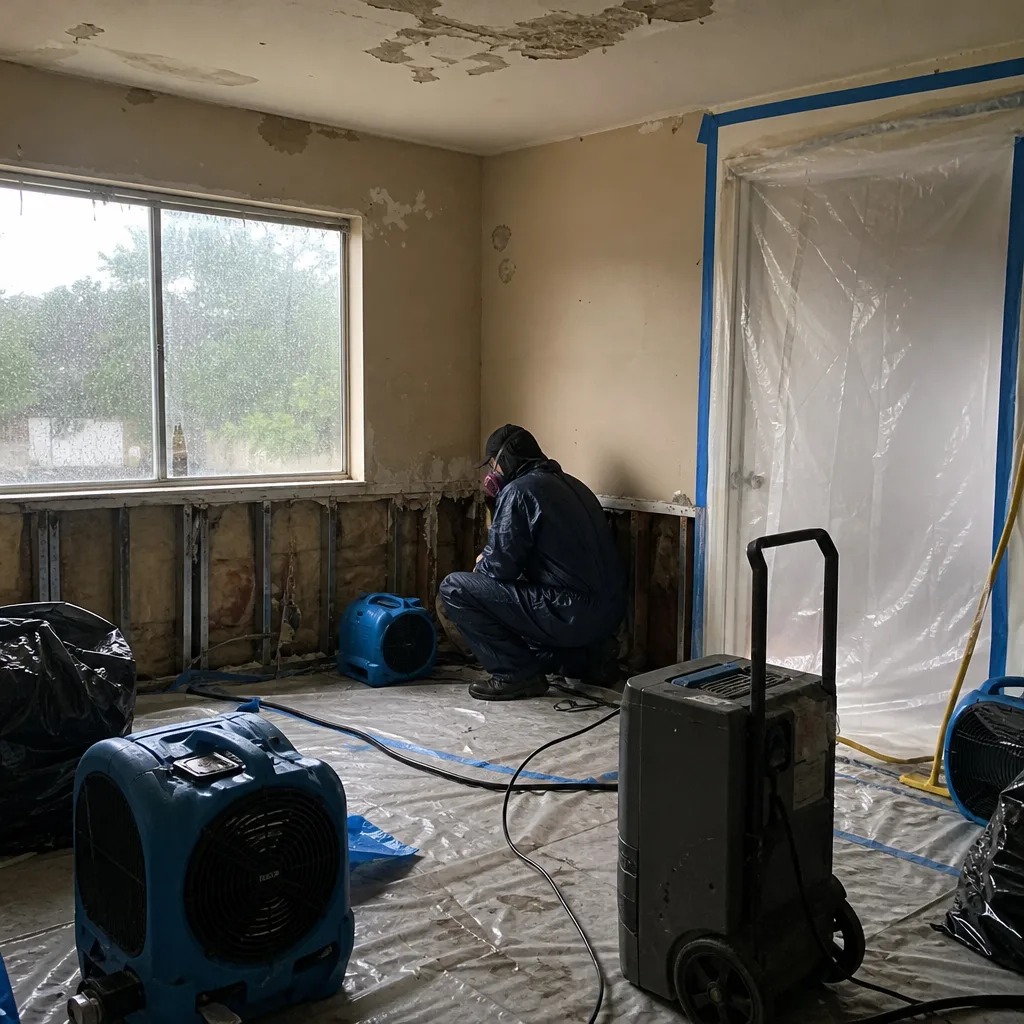 Before
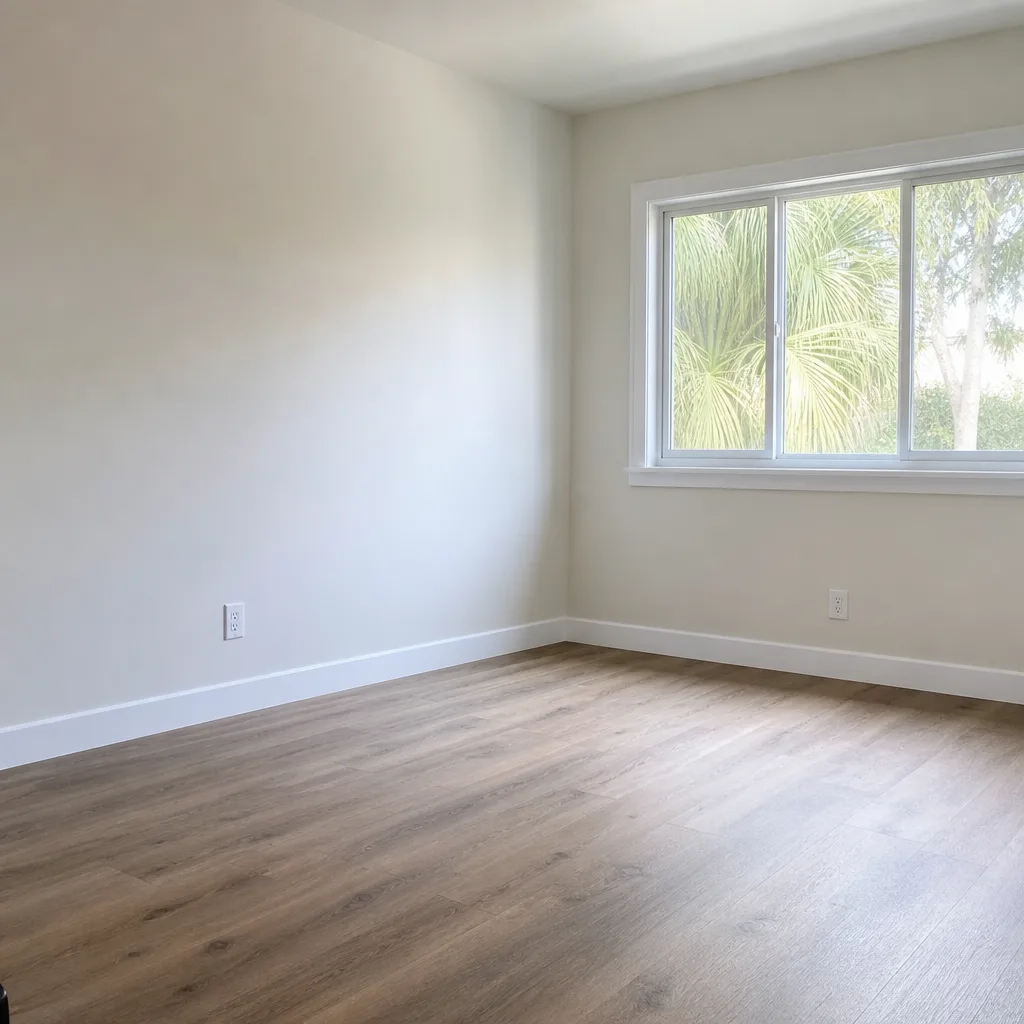 After
After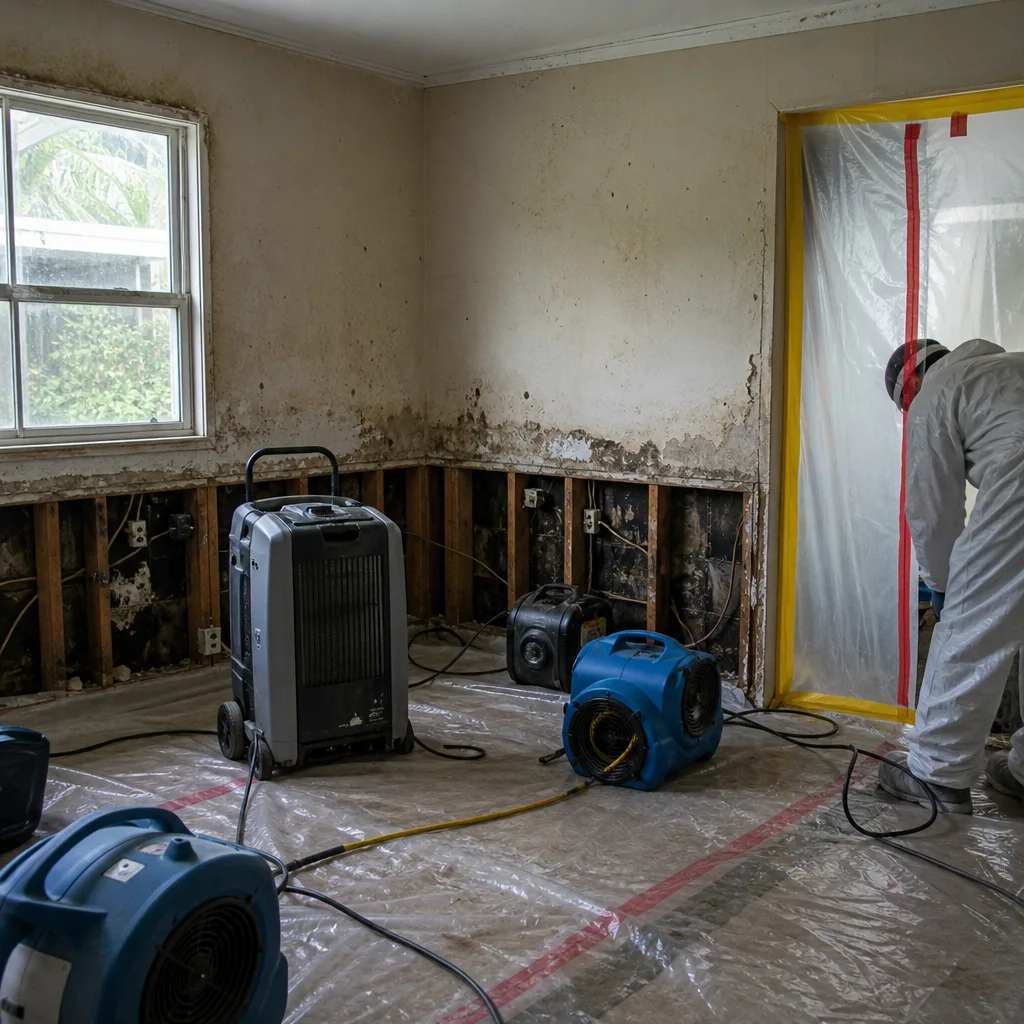 Before
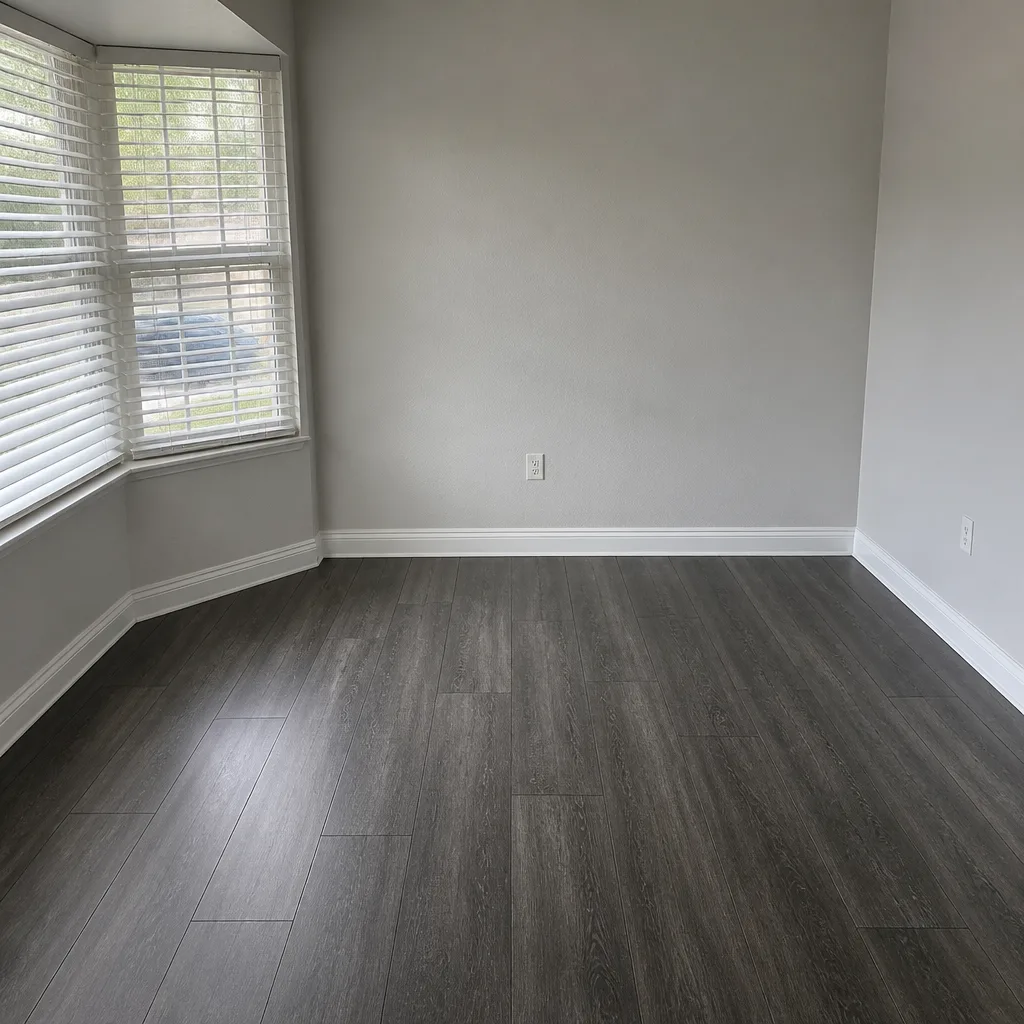 After
After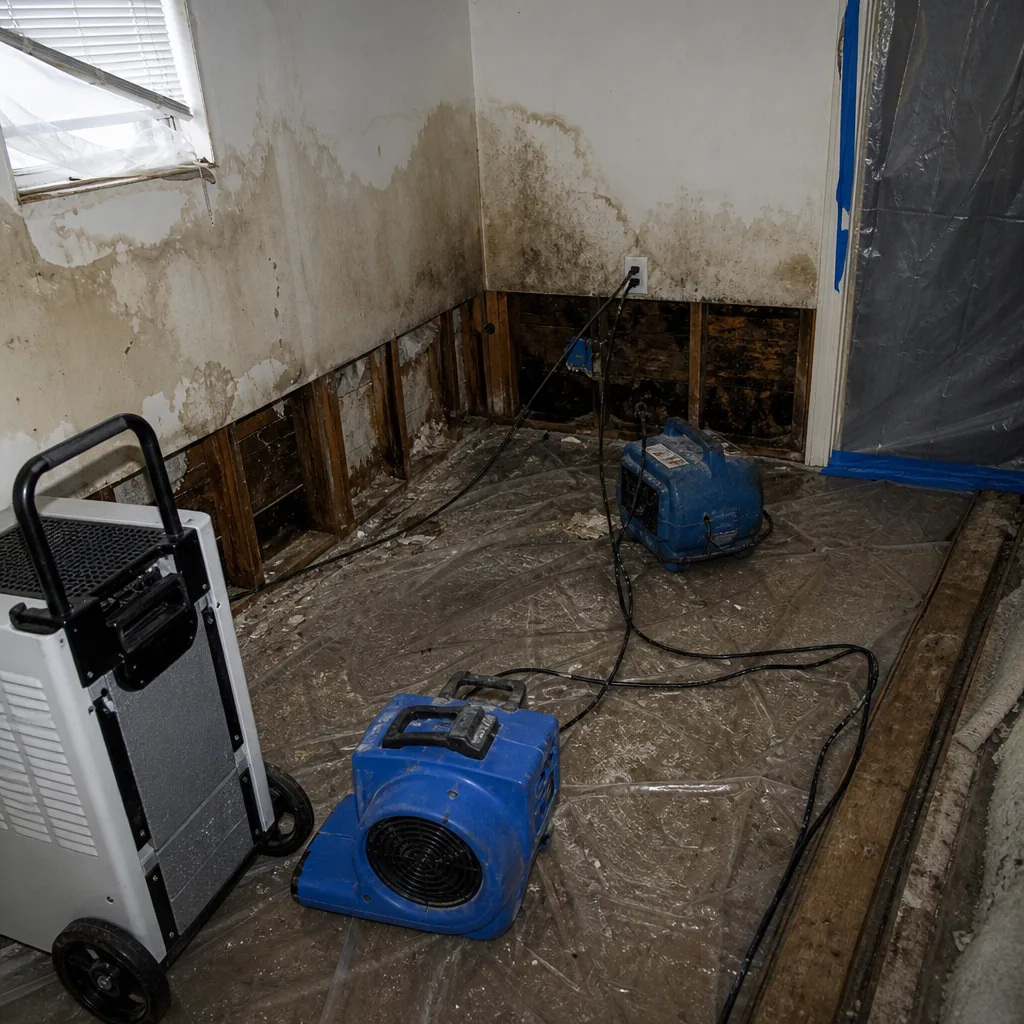 Before
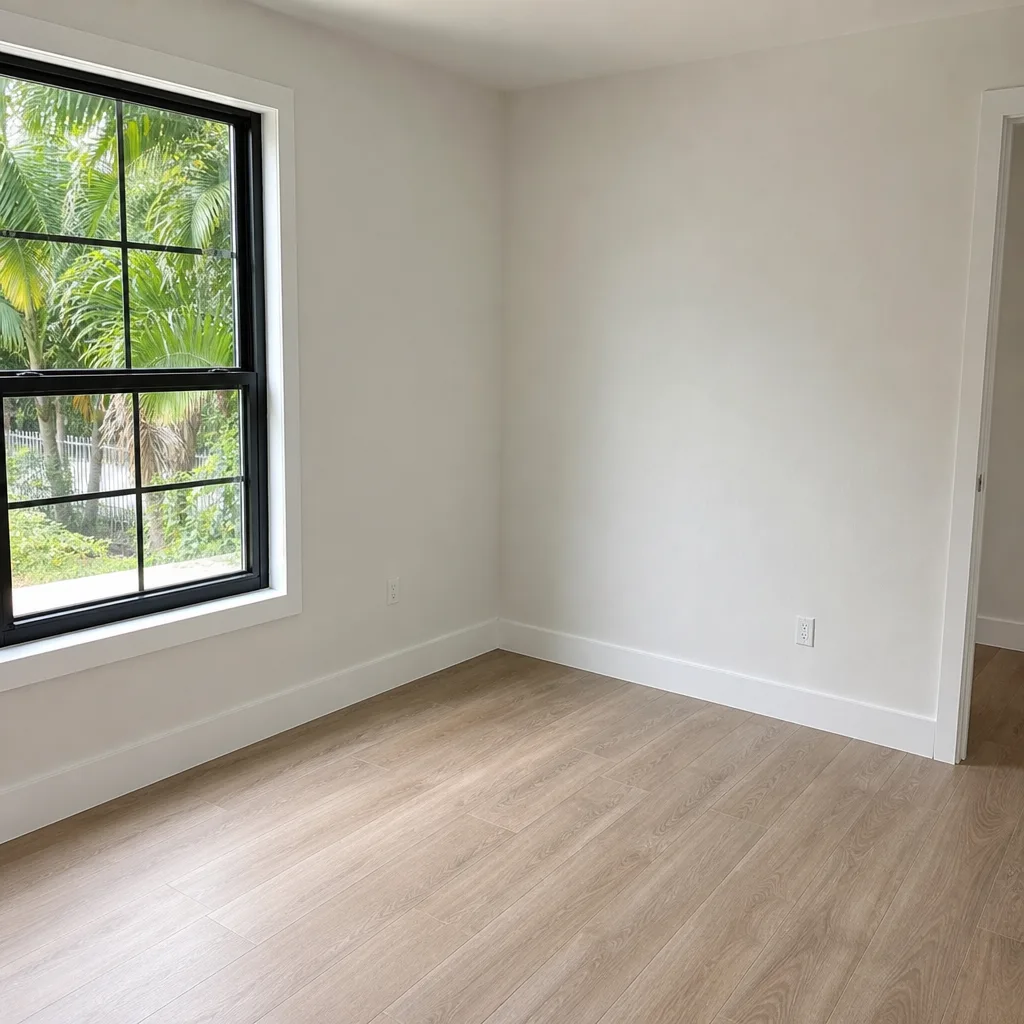 After
After