
 Mold remediation
 Water damage drying
 Fire & smoke cleanup
 Storm response
 Sewage cleanup
 Reconstruction
Free visual inspection and a written scope of work before any mitigation begins - photos, moisture readings, and drying logs go in your claim file
The scope we write is the scope we bill. Anything new gets shown to you, in writing, before we touch it.
Get your free estimateFast, Reliable Mold Remediation Across West Little River
Mold moves fast in West Little River. Our subtropical humidity means that after any water event, a storm, a plumbing leak, a roof puncture, mold can establish itself inside wall cavities within 24 to 48 hours. We answer live at (850) 533-8588, 24 hours a day. When you call about mold in a West Little River home, you’ll speak to a person who knows this area’s specific housing stock: the 1950s slab-on-grade block homes, the flat gravel roofs, the jalousie windows that let wind-driven rain sneak in. We schedule a named arrival window, and the technician who shows up is background-checked and in uniform. Written price before any work starts. That’s how we operate across West Little River.
Why Dryden Restoration Miami Is West Little River’s Preferred Mold Remediation Company
West Little River homeowners call us because we understand what they’re dealing with. This isn’t generic mold work. A 1958 concrete block home off NW 17th Avenue behaves differently than a 1990s wood-frame house in another neighborhood. We’ve been doing Mold Remediation in this exact housing stock long enough to know where mold hides and why it keeps coming back. Carl Brandt leads our team, and he’s built our process around one thing: making sure the fix actually holds.
Our technicians work to IICRC, RIA, and IFA standards. We use Dri-Eaz, Phoenix, and XPOWER equipment, the same professional-grade machines large commercial crews run. Every job includes a written 365-Day Done Right Promise. If a covered repair fails within a year, we return and correct it at no charge. That’s documented, not verbal. For West Little River residents who’ve been burned by contractors before, that guarantee matters.
Restoration work we handle
Mold Removal Contractor in West Little River
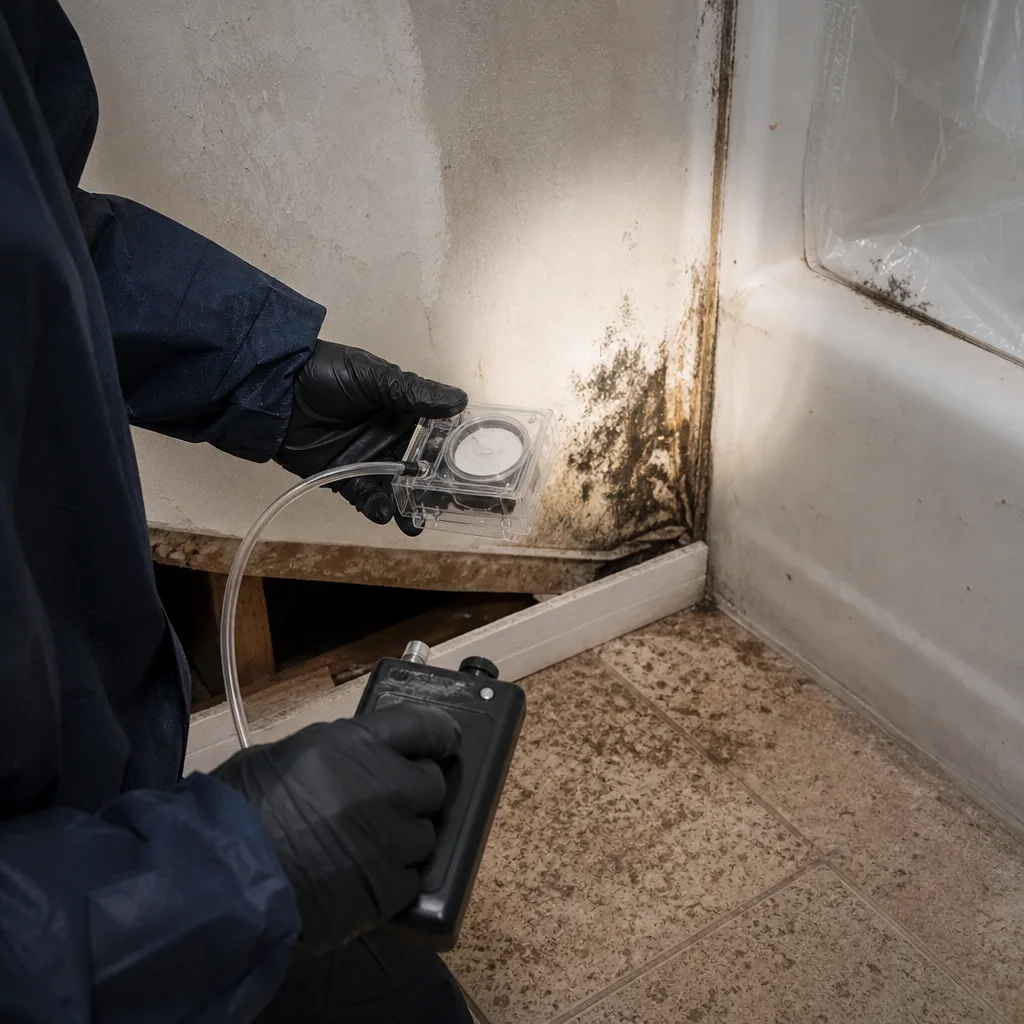
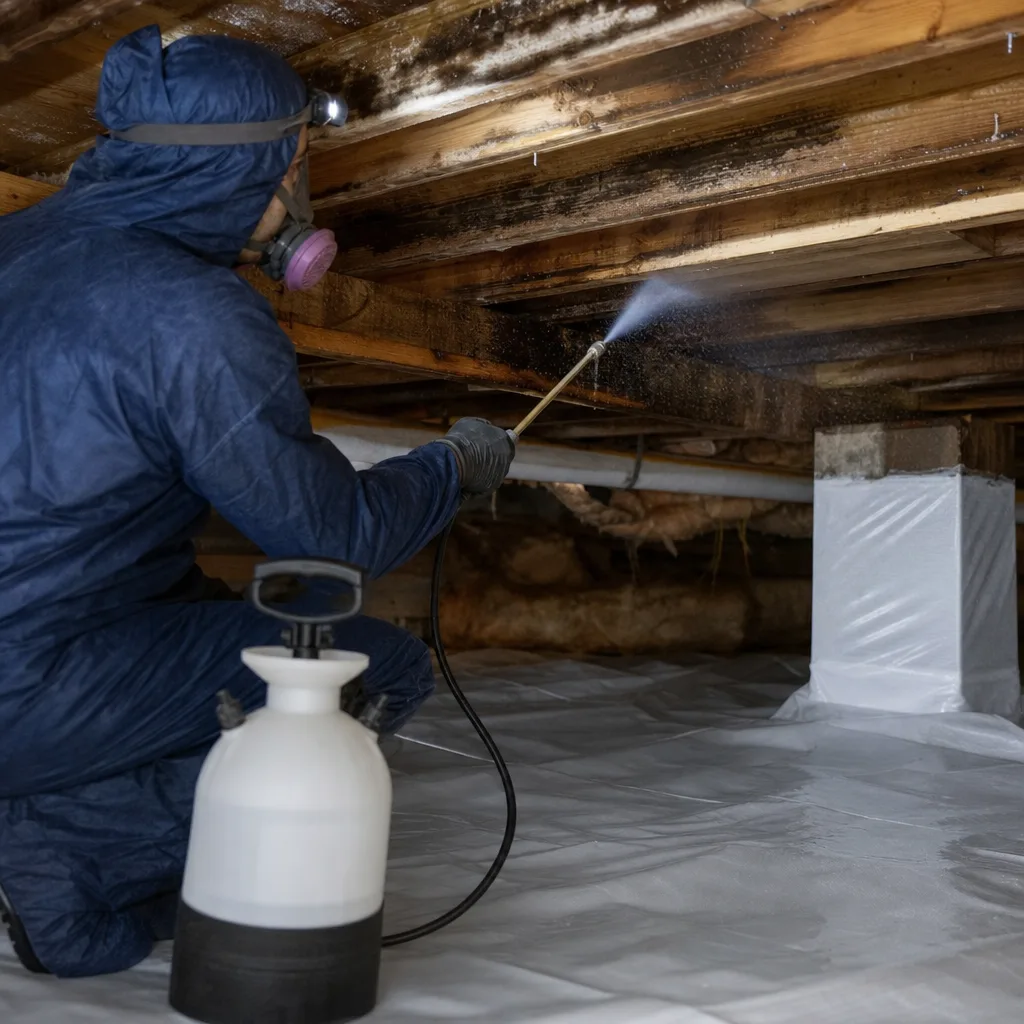
A mold removal contractor in West Little River handles the physical removal of contaminated materials and the cleaning of affected surfaces, not just the visible patch. When a homeowner sees mold blooming on a wall or ceiling, what they’re looking at is often the tip of the problem. In West Little River’s slab-on-grade block homes, mold frequently travels behind baseboards, through wall cavities, and under flooring before it ever becomes visible. We contain the affected area with negative air pressure, remove contaminated drywall or plaster where necessary, HEPA-vacuum surfaces, and apply antimicrobial treatments. Then we dry the structure properly, because drying is what prevents recurrence.
Containment and Negative Air
Before we touch anything, we seal the affected room. Plastic sheeting over doorways, negative air machines pulling air out through HEPA filters. This keeps mold spores from spreading into the rest of your West Little River home while we work. It’s standard practice, but it’s also one of the steps that separates professional remediation from a handyman with bleach.
Material Removal and Structural Drying
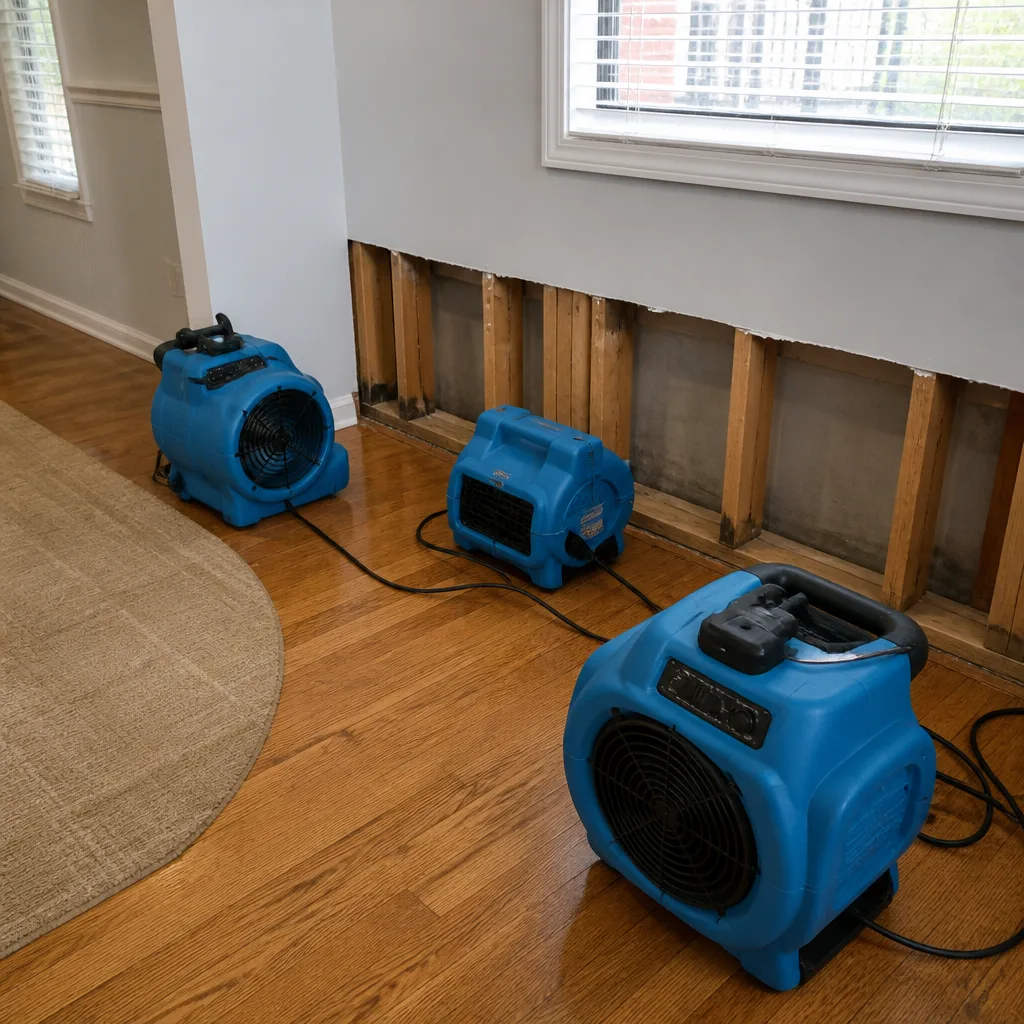
Moldy drywall and insulation come out. Solid framing gets sanded, HEPA-vacuumed, and treated. Then we run dehumidifiers until moisture readings in slab-adjacent drywall drop below 15%. In concrete block homes, the slab itself holds moisture, so we monitor those readings carefully. A typical mold removal job in West Little River runs $1,800 to $4,500 depending on the affected square footage and how far the mold has traveled behind walls.
Bathroom Mold Removal in West Little River
Bathroom mold removal in West Little River homes is the most common call we get, because the original 1950s and 1960s bathrooms here rarely have adequate exhaust ventilation. Humidity builds during every shower, condenses on single-pane jalousie windows, and feeds mold in grout lines, behind vanity cabinets, and inside wall cavities around the tub surround. The visible mold on the ceiling is often accompanied by hidden mold behind the drywall. We treat both. A typical West Little River bathroom mold removal runs $600 to $1,800, depending on whether we’re opening walls or treating surfaces only.
Exhaust Ventilation and Humidity Control
If your bathroom has a jalousie window and no exhaust fan, that’s a moisture trap. We’ll recommend the right fix: a properly vented exhaust fan, a dehumidifier, or both. Humidity control is part of mold remediation, not an add-on. Without it, you’ll be calling us again after the next humid season.
Cast Iron Plumbing and Hidden Leaks
Many West Little River bathrooms still run on original cast iron drain lines. These pipes corrode from the inside and leak slowly into wall cavities and under slab floors. We see mold behind baseboards with no visible water source, and the culprit is a pinhole leak in a 60-year-old pipe. We’ll identify the source before we remediate the mold, because fixing drywall without fixing the leak is just decorating.
Trusted Brands We Service in West Little River
Our technicians maintain and run Dri-Eaz dehumidifiers, Phoenix air movers, and XPOWER air scrubbers on West Little River jobs. These aren’t off-brand machines from a rental counter. They’re the brands commercial restoration crews use on large losses, and we keep them stocked and ready for residential work in this area. If yourhome has been damp for a while, we’ll bring in the right equipment for your specific structure, not whatever happens to be on the truck. We also clean and restore common household systems affected by mold: bathroom exhaust fans, window air conditioners, and the HVAC returns that circulate spores through older block homes. Parts for standard West Little River fixtures are kept in local inventory, which means faster turnaround when you need a repair, not a replacement.
See the difference
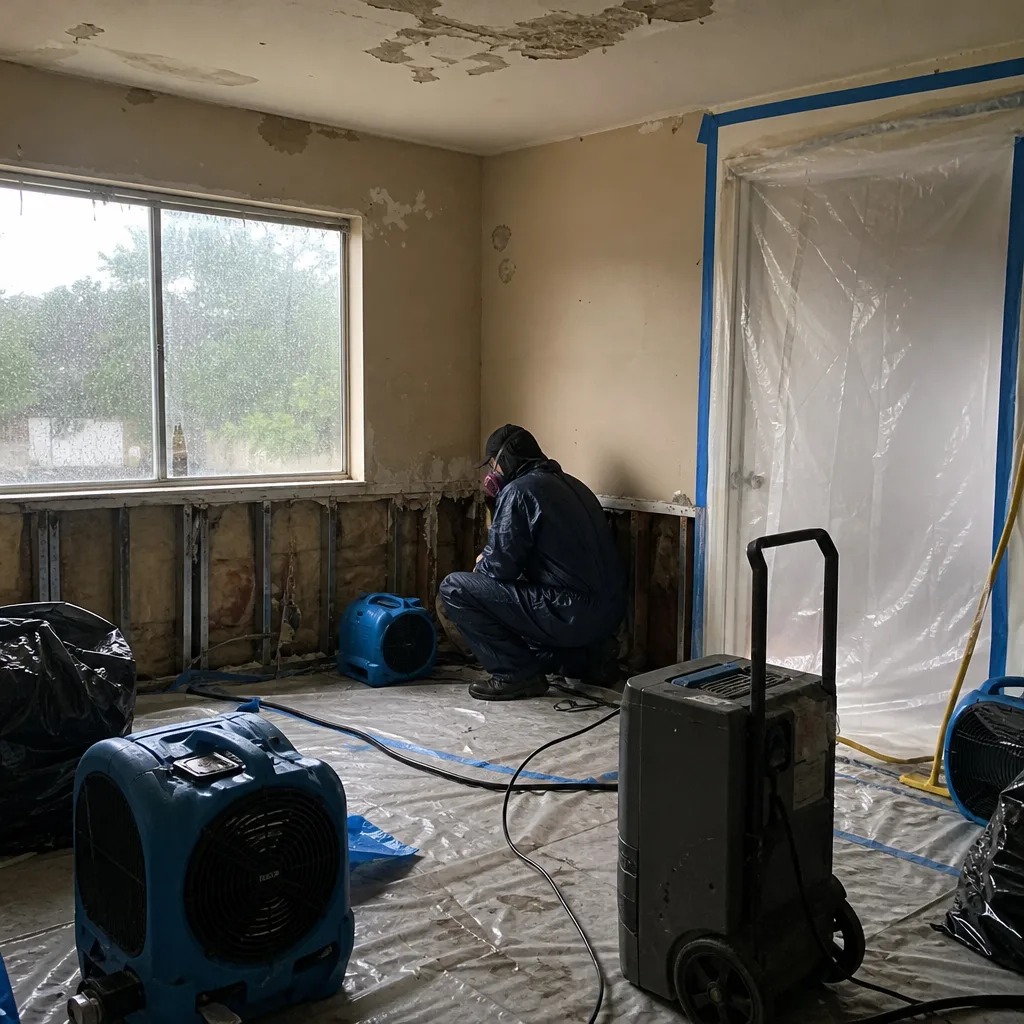 Before
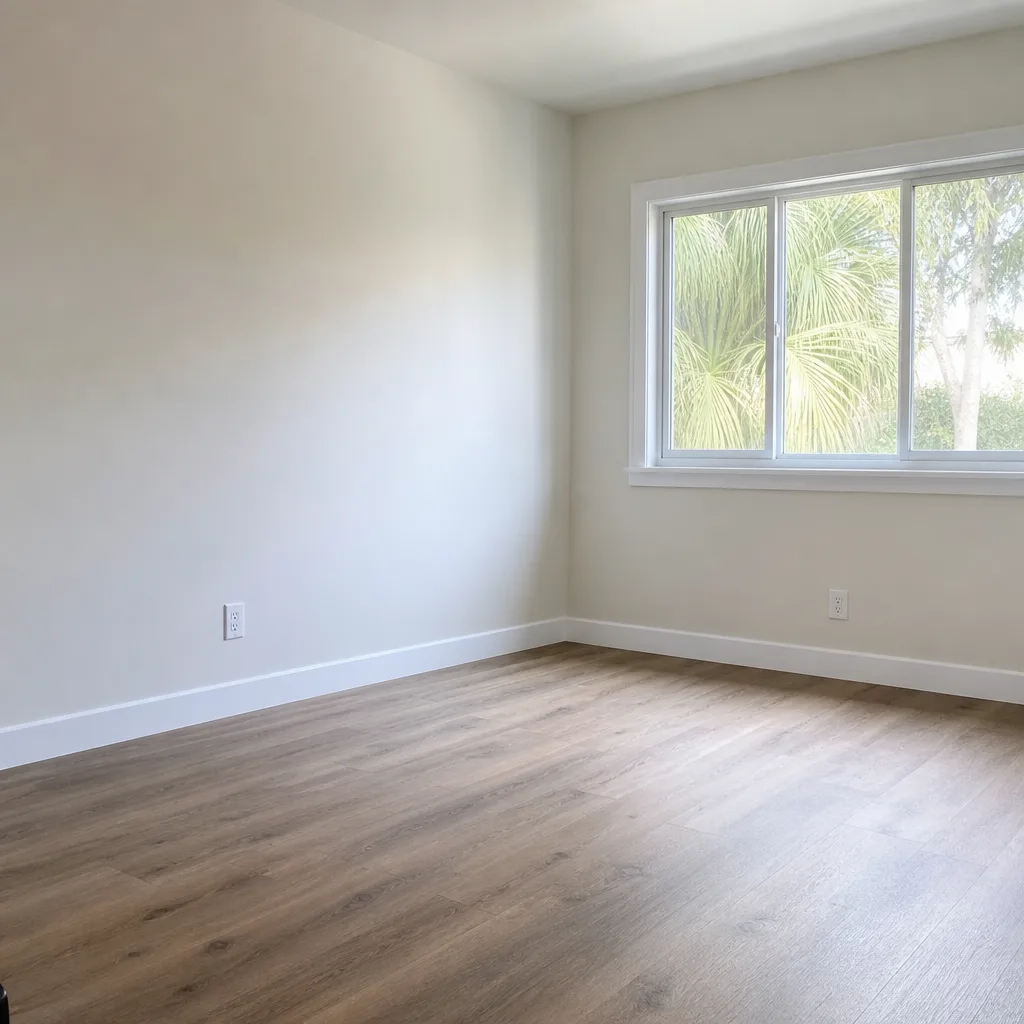 After
After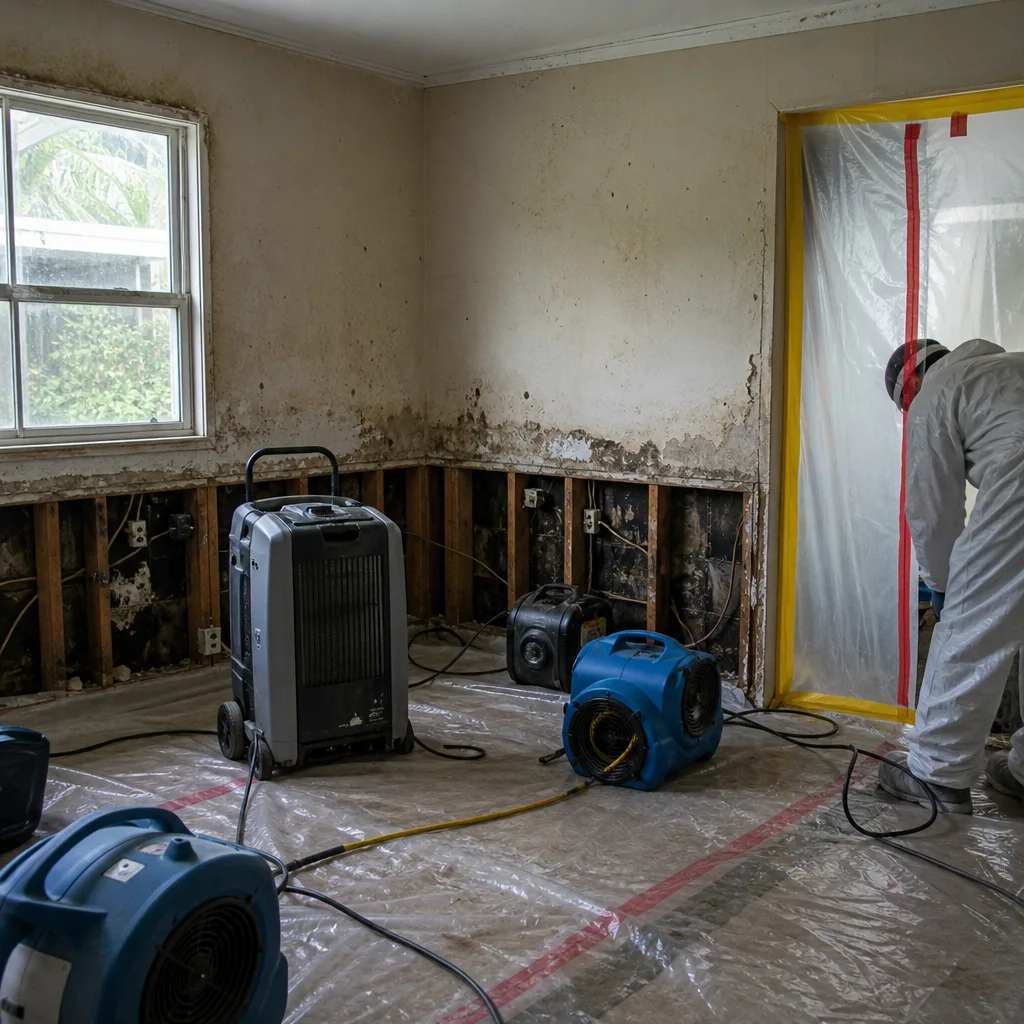 Before
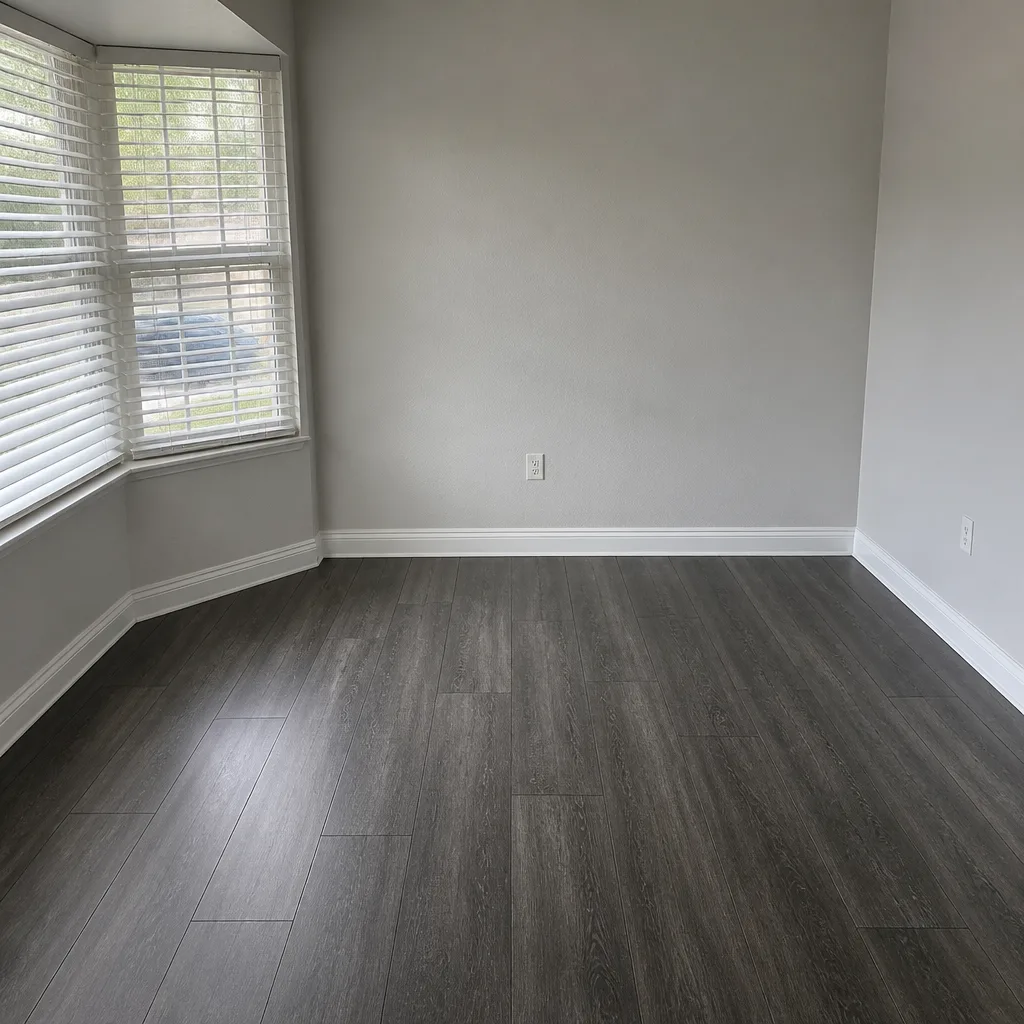 After
After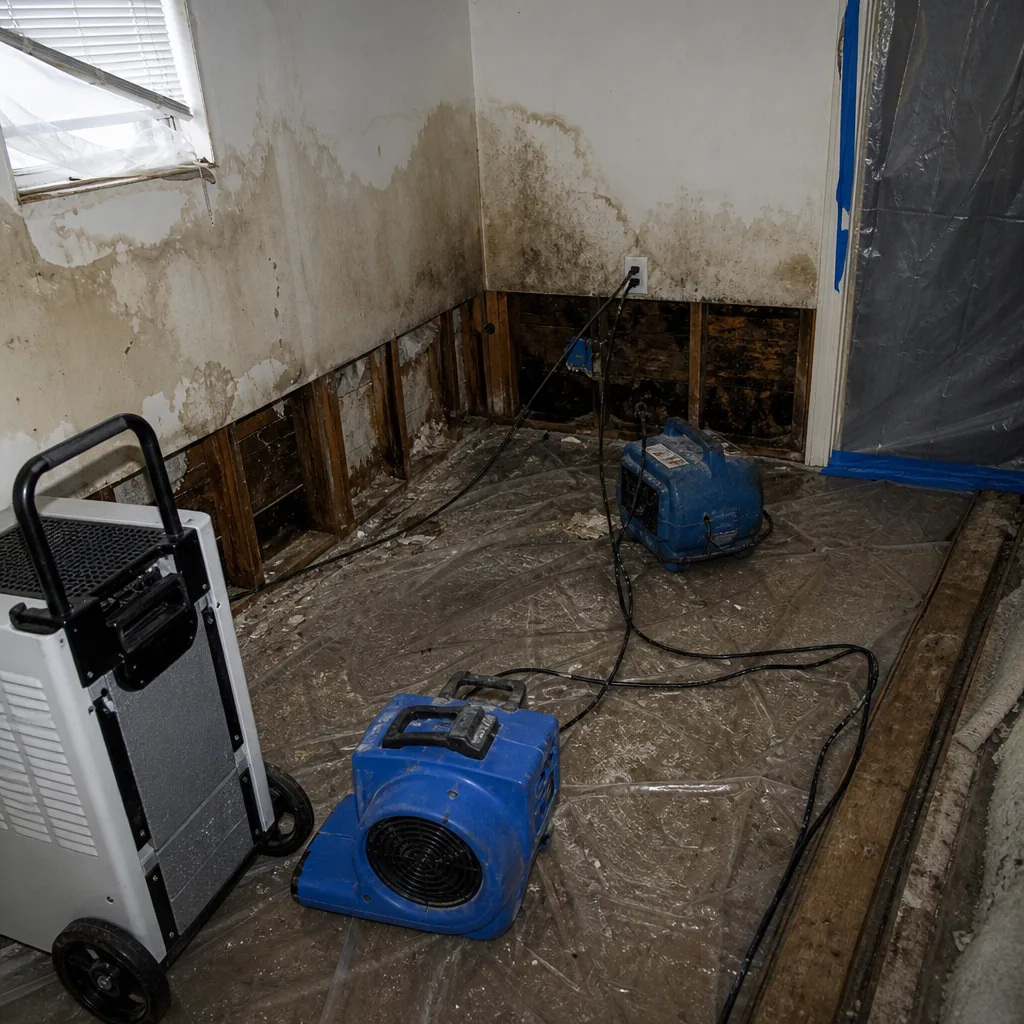 Before
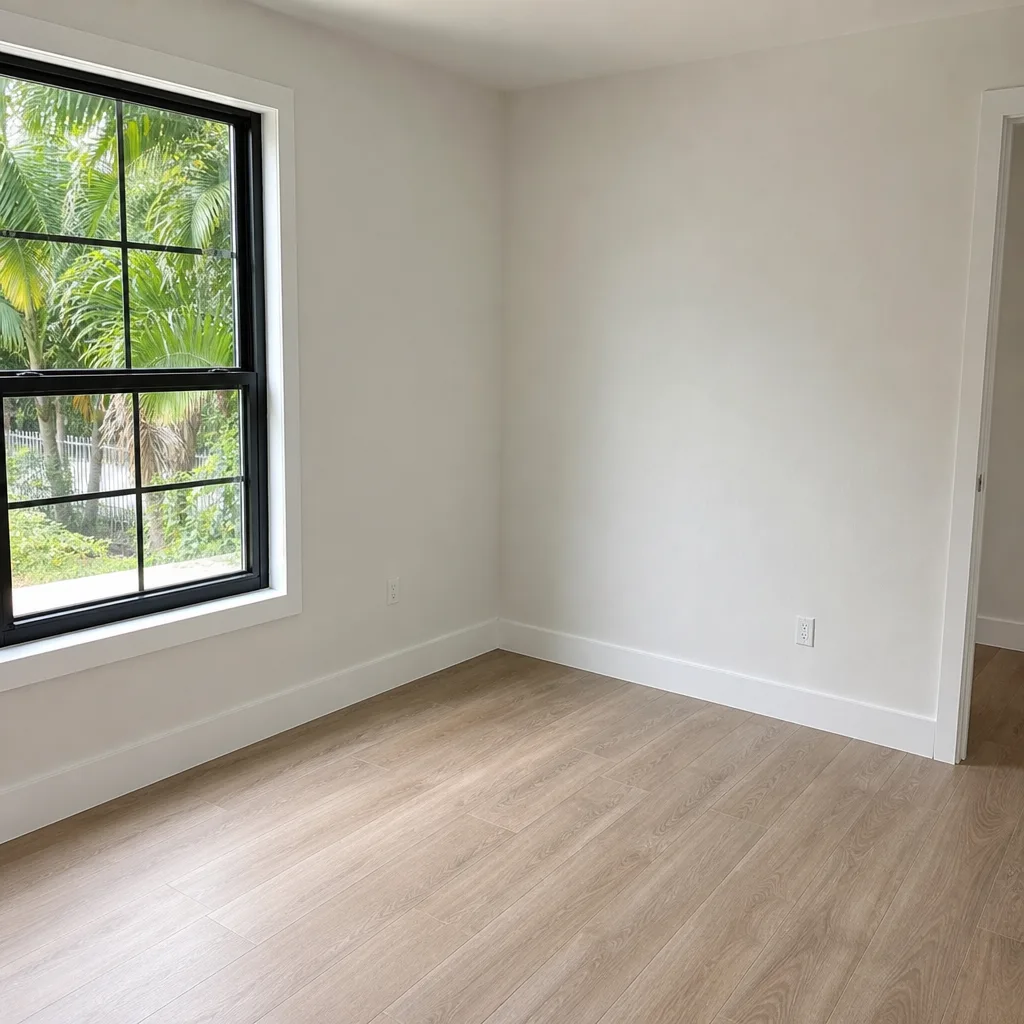 After
AfterCommon Mold Remediation Problems We See in West Little River Homes
- Jalousie window leaks: Single-pane jalousie windows in 1950s and 1960s homes let wind-driven rain enter wall cavities during summer thunderstorms. Crews that skip moisture readings behind windows miss mold that reappears three months later. We always check behind the window frame.
- Flat gravel roof pooling: Many older West Little River homes still have flat gravel roofs with no secondary drainage. Pooled water drips slowly into attic spaces and through ceiling cracks, feeding mold in the ceiling and upper wall cavities after every heavy downpour.
- Slab-on-grade moisture retention: Concrete block and slab homes hold moisture. Without drying logs showing moisture readings below 15% in slab-adjacent drywall, mold returns. We document every reading and share the logs with you.
- Original cast iron plumbing leaks: Pinhole leaks in 60-year-old cast iron pipes feed mold behind baseboards and under terrazzo floors without any visible water event. We check for these before we remediate, because the mold is a symptom, not the source.
Pricing for Mold Remediation in West Little River, FL
We Also Serve Cities Near West Little River
Our crews regularly work in Miami, Brownsville, Miami Gardens, and North Miami Beach. If your mold problem is in one of those areas, or anywhere else in West Little River and the surrounding communities, the same written-price commitment and 365-Day Done Right Promise applies.
Serving West Little River, FL - Our Local Coverage Area
We’re based in the West Little River area and know this community well. Use the map below to see our service coverage - if you’re nearby, we can almost certainly help.
FAQs About Mold Remediation in West Little River
How do West Little River slab-on-grade homes complicate mold remediation after flooding from stormwater?
Slab-on-grade homes complicate flooding remediation because the concrete slab wicks and holds moisture long after standing water is removed. In West Little River, where low-lying terrain and aging stormwater infrastructure cause chronic flooding, the slab stays damp for weeks. We run moisture mapping along slab edges and set dehumidification to draw water out of the concrete and adjacent drywall. If we don’t, mold returns inside wall cavities even after surfaces look dry. Call (850) 533-8588 for a free assessment.
Why do mold problems in West Little River homes built in the 1950s-60s often start behind baseboards with no visible leak?
Because the original cast iron plumbing in these homes corrodes from the inside and leaks slowly inside wall cavities. The water never pools visibly, but it feeds mold behind baseboards and under flooring for months before you see it. We check for pinhole leaks in the drain lines before we remediate, because tearing out moldy drywall without fixing the leaking pipe means the mold comes back.
What role do flat gravel roofs play in recurring ceiling mold in West Little River after summer thunderstorms?
Flat gravel roofs with no secondary drainage let water pool after heavy afternoon storms. That water finds its way through hairline cracks in the roofing and drips slowly into attic spaces and ceiling cavities. Without containment and dehumidification in the attic, ceiling mold returns after the first thunderstorm following remediation. We treat the attic as part of the job.
Can we save my 1960s jalousie windows during mold remediation, or do they need replacement?
In most cases, the jalousie window frame can be saved. What needs attention is the failed seal around the frame and the moisture trapped in the wall cavity behind it. We’ll dry the cavity, replace the sealant, and recommend whether the glass panes themselves need replacement or just re-caulking. Replacement is only recommended when the frame itself has rotted or the mechanism is beyond repair. Call us at (850) 533-8588 for an evaluation.
How do you determine whether moldy drywall in a West Little River block home should be removed or can be dried in place?
We base that decision on moisture readings and the condition of the drywall. If the drywall has been wet for more than 48 hours or has visible mold penetration deeper than surface staining, it comes out. If it’s still structurally sound and readings show it can be dried to below 15% moisture content, we’ll dry it in place using Injectidry and dehumidification. We’ll show you the readings and explain the decision before any work starts.
Written by Carl Brandt, Owner at Dryden Restoration Miami, serving West Little River and surrounding communities since 2005.
Call (850) 533-8588 for a free mold remediation estimate in West Little River. A live person answers, 24 hours a day. We’ll schedule a named arrival window, give you a written price before any work starts, and back the repair with our 365-Day Done Right Promise. If the mold comes back within the year, so do we, at no charge.