
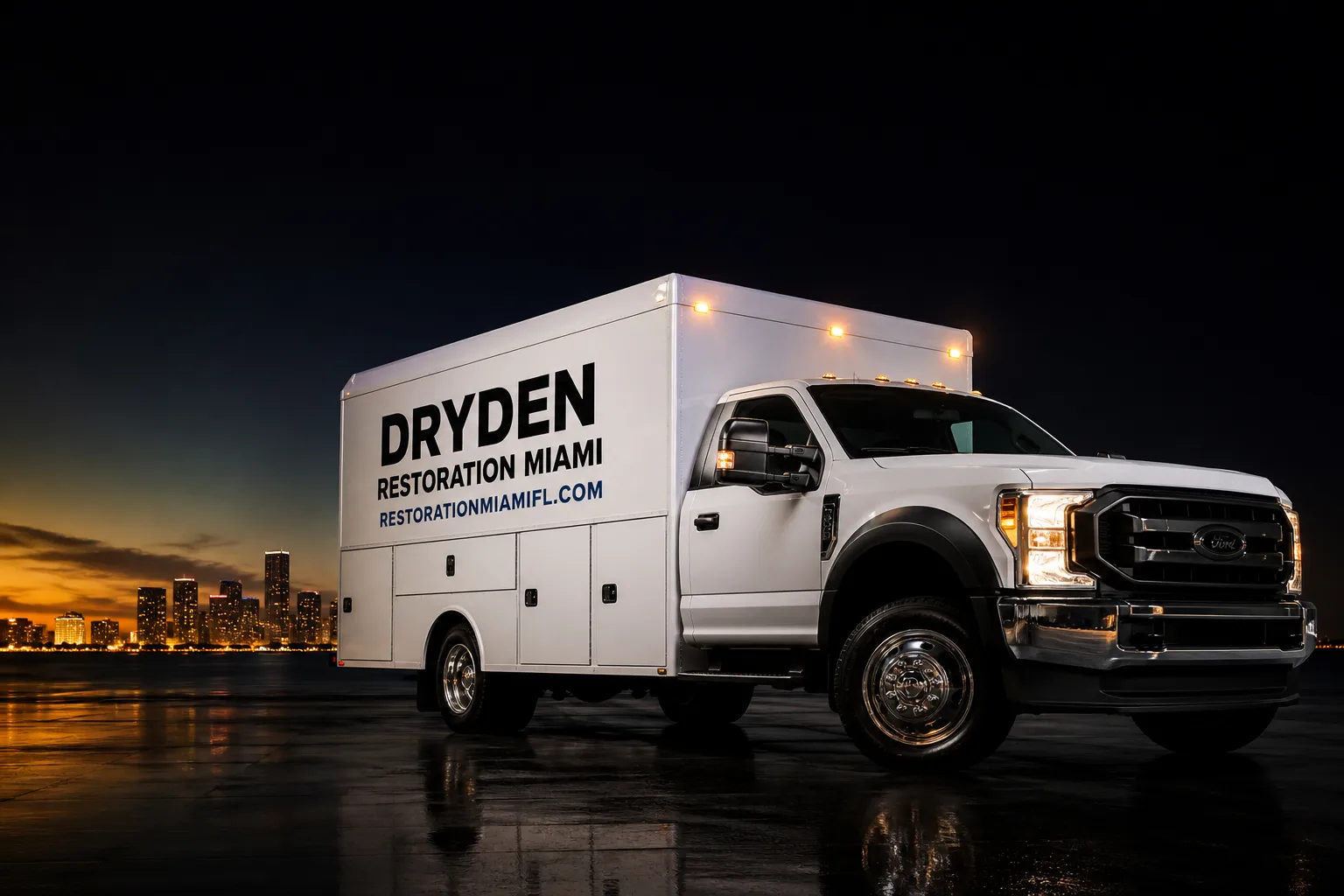
 Storm response
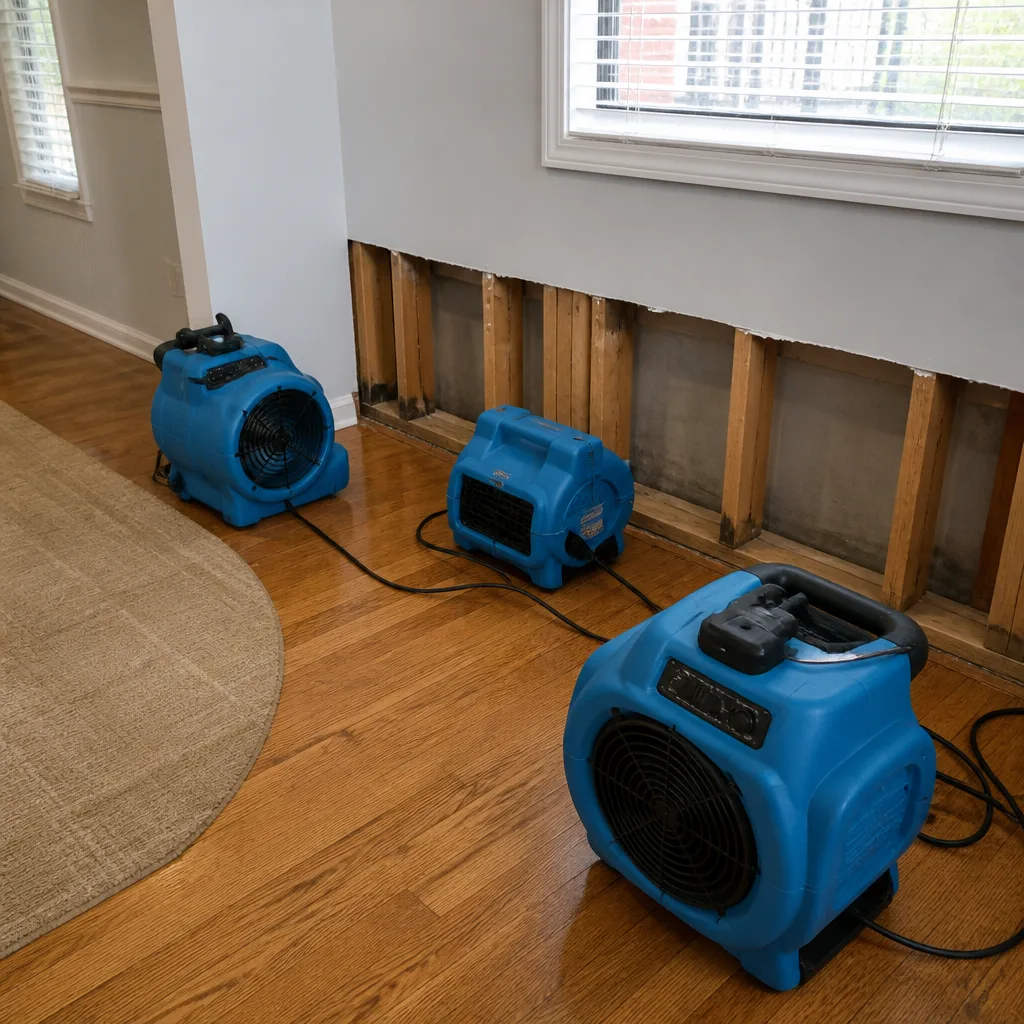 Water damage drying
 Fire & smoke cleanup
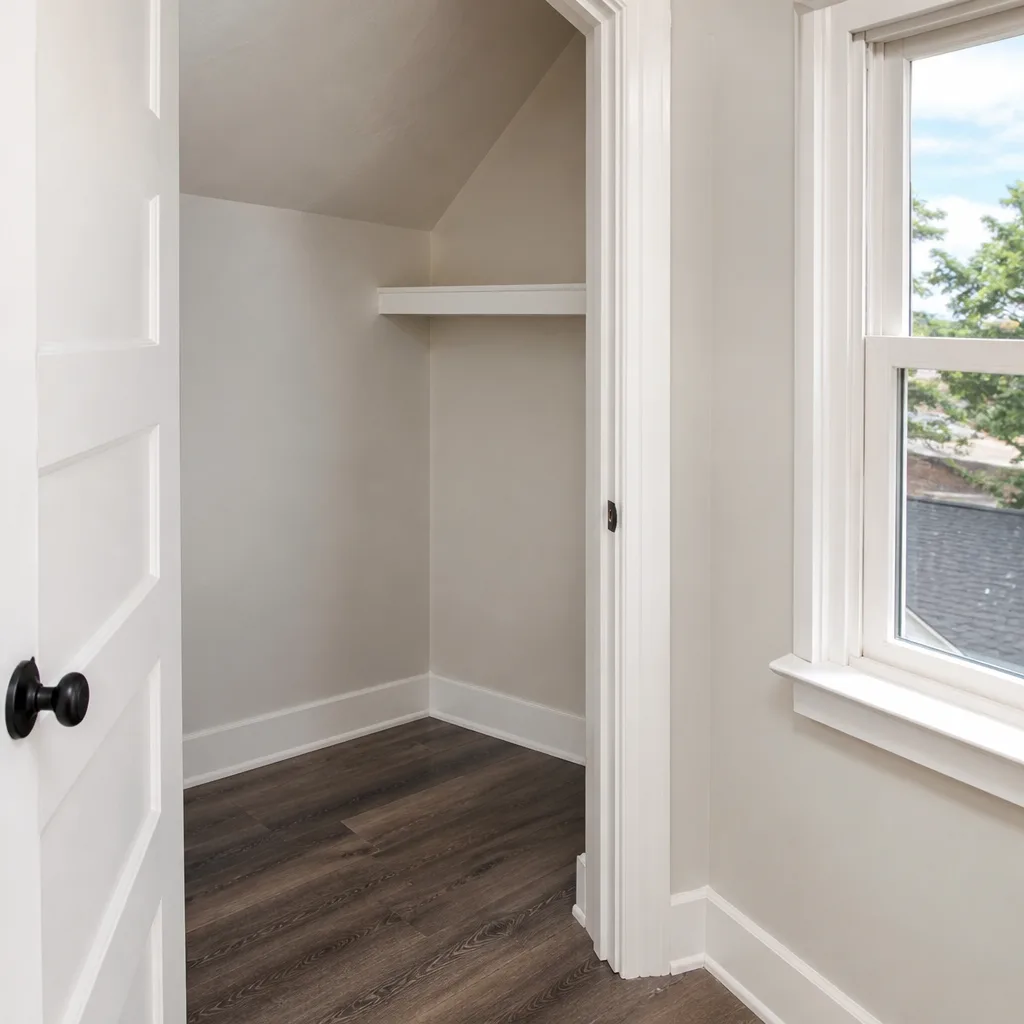 Mold remediation
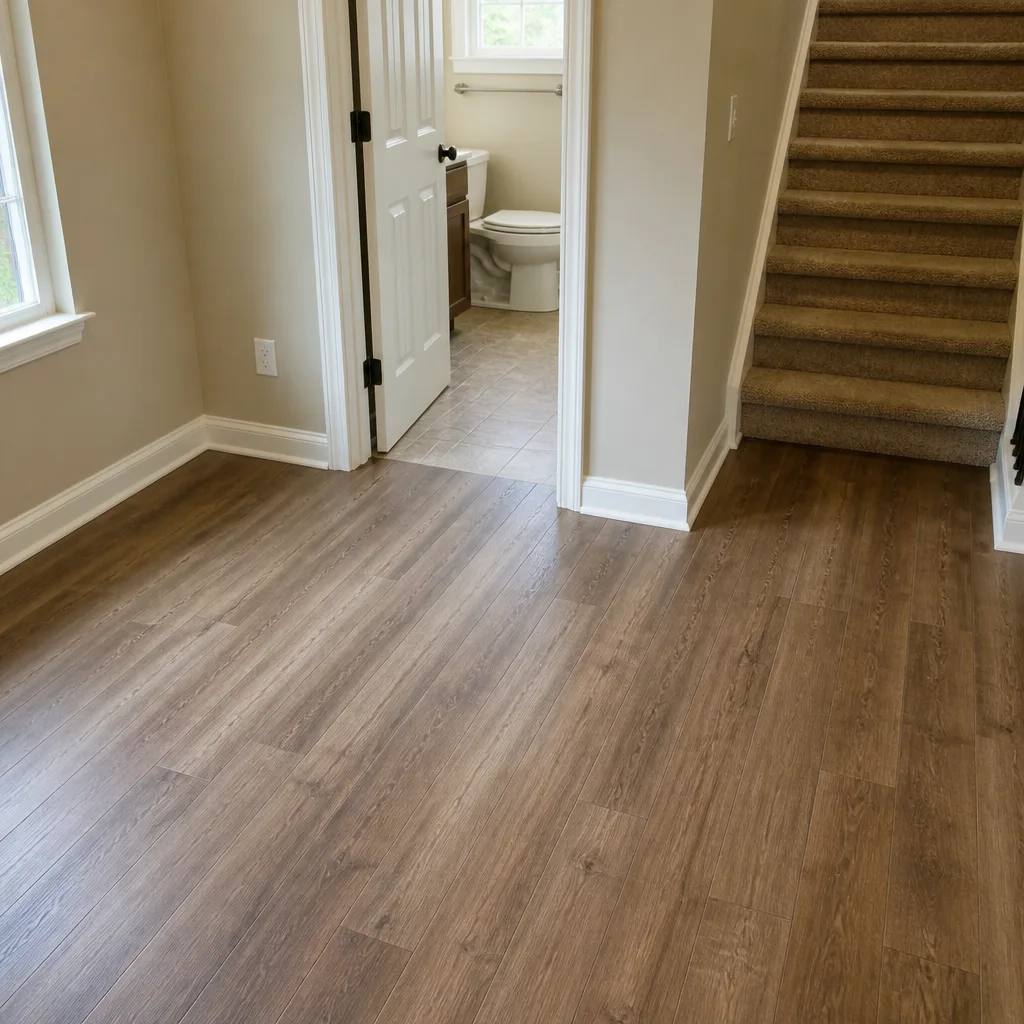 Sewage cleanup
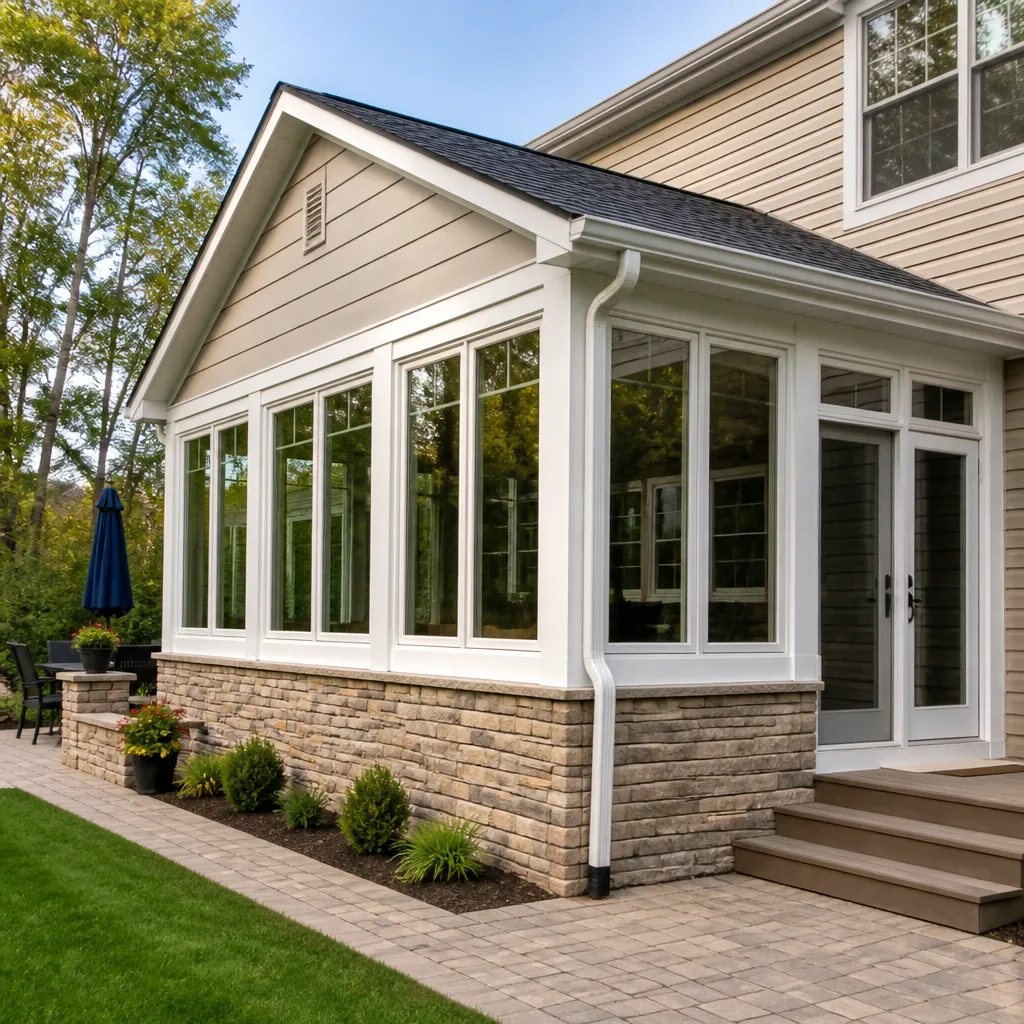 Reconstruction
Free visual inspection and a written scope of work before any mitigation begins - photos, moisture readings, and drying logs go in your claim file
The scope we write is the scope we bill. Anything new gets shown to you, in writing, before we touch it.
Get your free estimateRestoration work we handle
See the difference
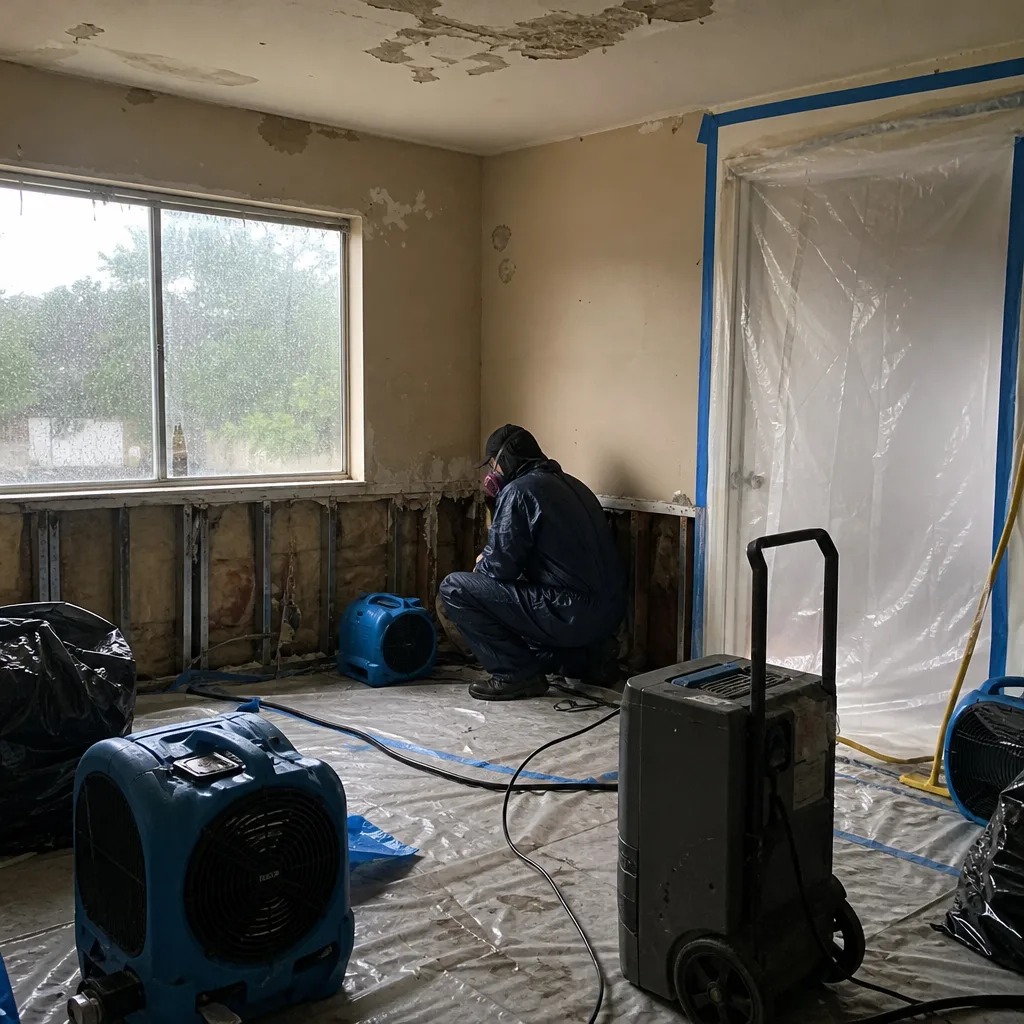 Before
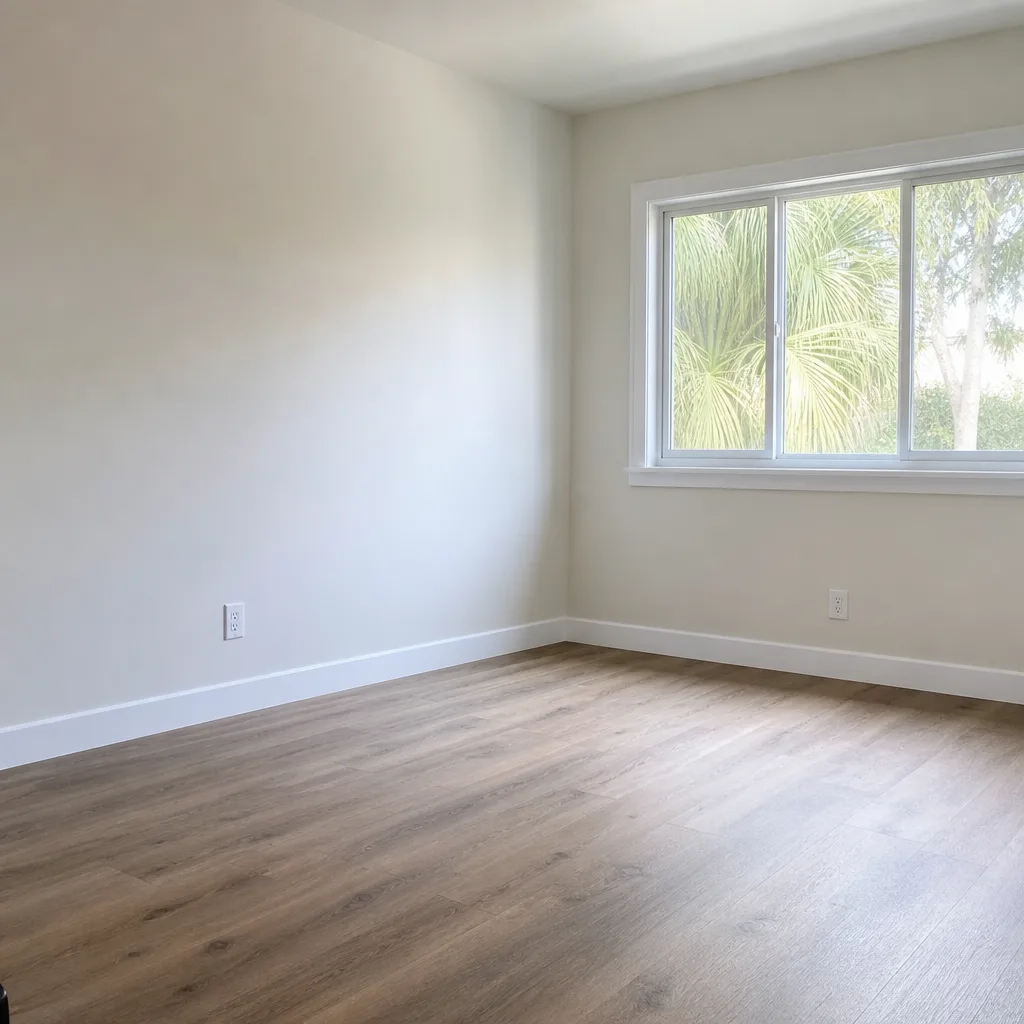 After
After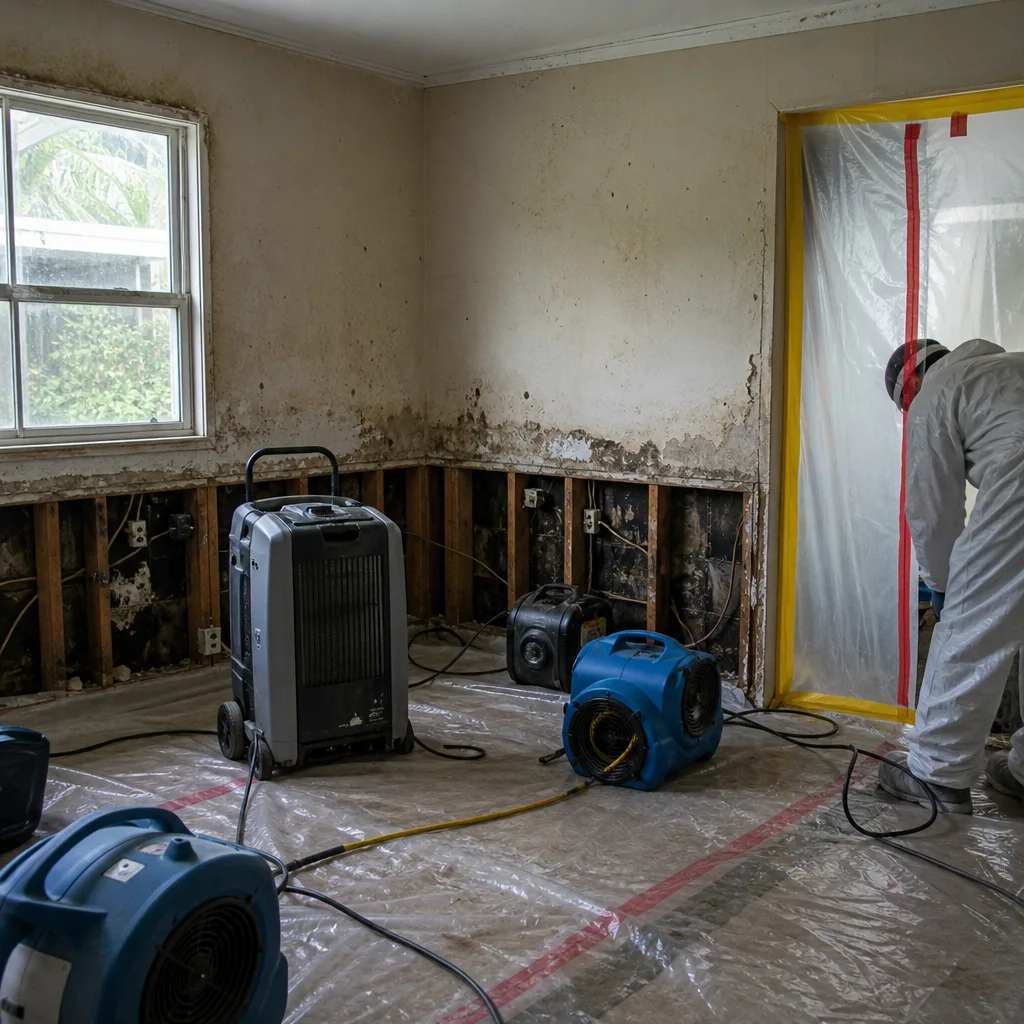 Before
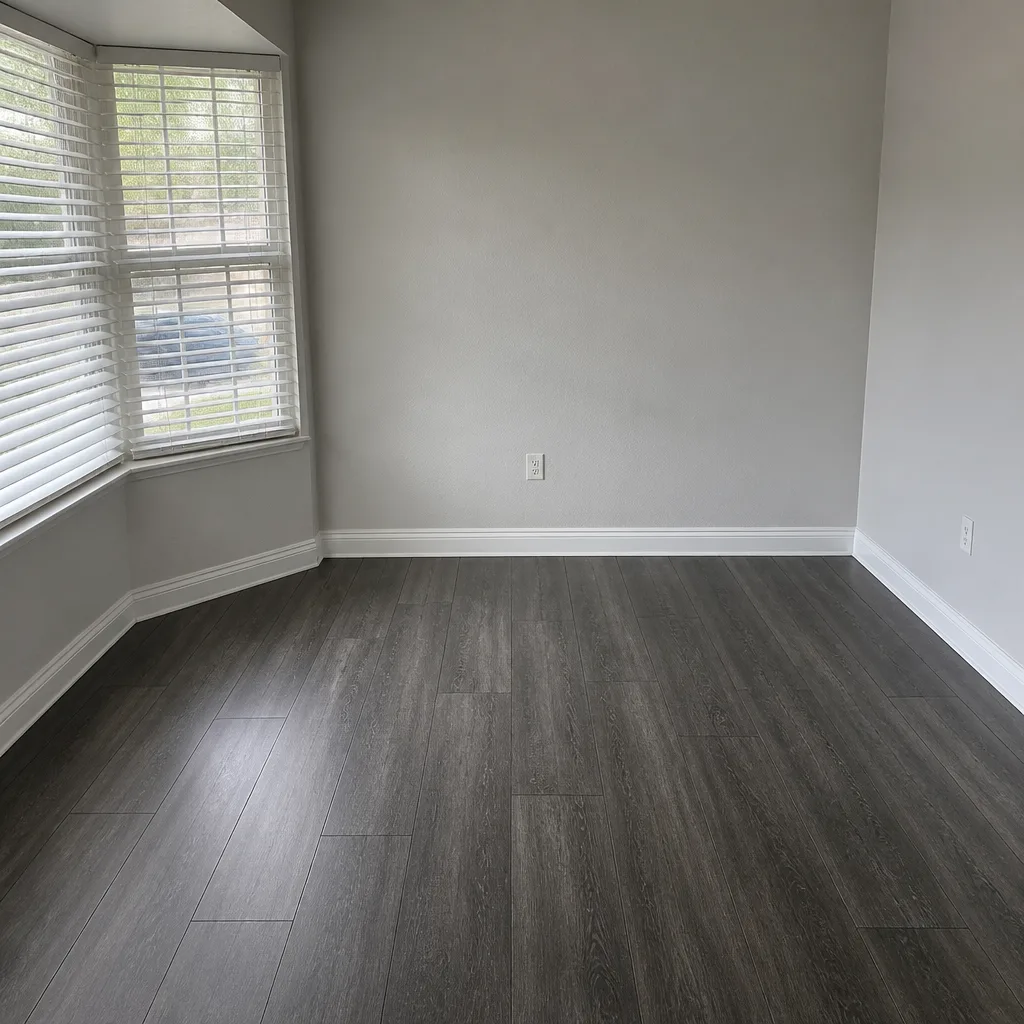 After
After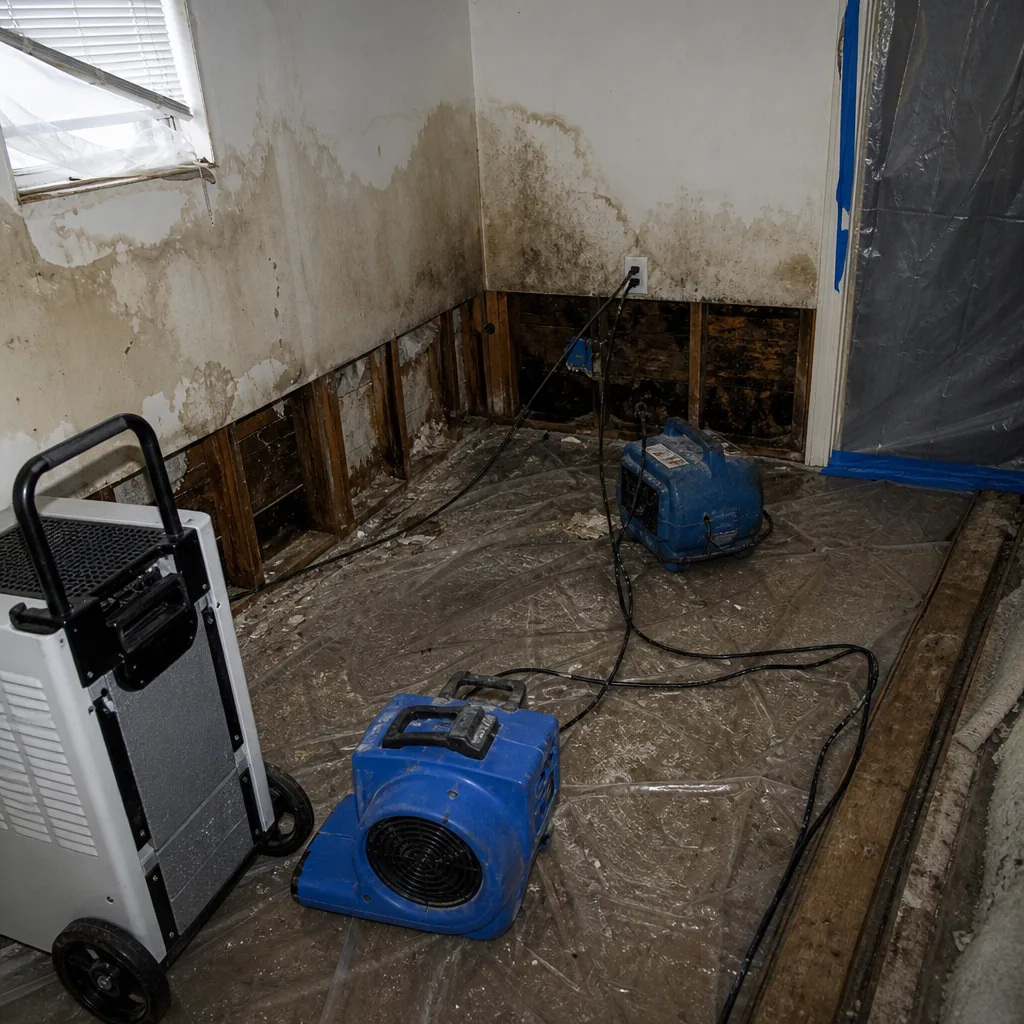 Before
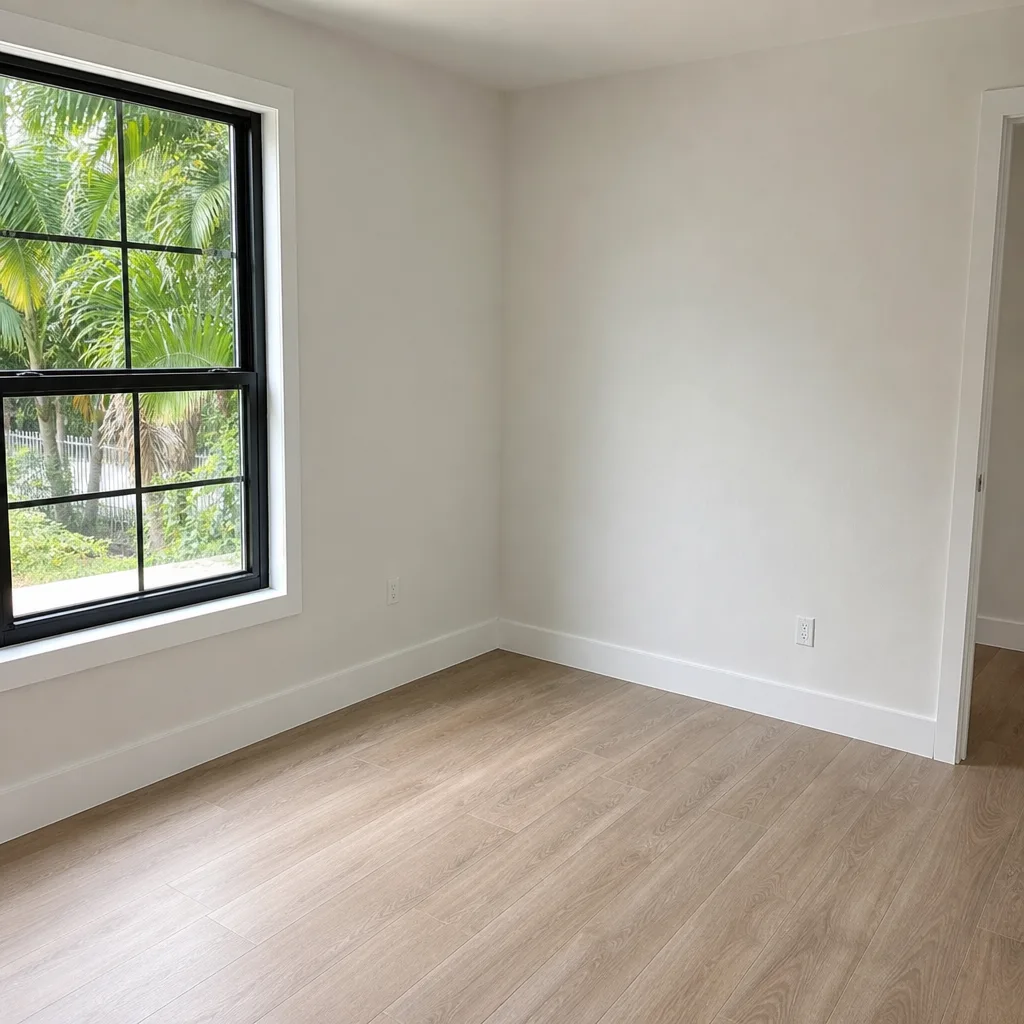 After
AfterHow Much Does Storm & Disaster Restoration Cost in Miami?
Storm and disaster restoration in Miami typically costs between $3,500 and $25,000 for most residential jobs, with the average homeowner spending around $8,700. Water extraction and drying alone usually runs $1,200 to $4,500, while full storm damage rebuilds after hurricane-force winds or flooding can reach $40,000 or more depending on square footage and structural impact. These are real 2026 Miami market numbers, and we’ll break down exactly where the money goes below.
If you’re standing in a flooded living room or looking at a ceiling that caved in after a storm, you want a straight answer about cost. We’re going to give you one. Carl Brandt, who leads Dryden Restoration Miami, has spent nearly two decades pricing this work across Miami-Dade County, from Little Havana to Palmetto Bay to the high-rises along Brickell.
Key Takeaways
- Most Miami storm restoration jobs land between $3,500 and $25,000 in 2026.
- Water extraction and structural drying costs $1,200 to $4,500 for a typical single room or hallway.
- Full roof and ceiling repair after wind damage runs $4,000 to $18,000 depending on roof type and material.
- Floodwater removal from a whole house costs $5,000 to $12,000 including sanitation and drying.
- Miami’s humidity extends drying times, which adds equipment rental days and labor hours to every water-related job.
- You should never sign anything without a written price before work starts, and that’s exactly what we provide on every single job.
Storm & Disaster Restoration Cost Breakdown (2026)
Here’s what we’re seeing across Miami in 2026 for common storm and disaster restoration work. These ranges reflect our pricing and the broader Miami market for licensed restoration contractors.
| Service | Typical Cost Range | What’s Included |
|---|---|---|
| Water extraction (single room) | $1,200 – $2,800 | Standing water removal, baseboard and flooring inspection, initial sanitization |
| Structural drying (whole house) | $2,500 – $5,000 | Commercial air movers, dehumidifiers, moisture mapping, daily monitoring |
| Roof tarping and emergency board-up | $800 – $2,500 | Heavy-duty tarp installation, window board-up, temporary weather sealing |
| Ceiling and drywall repair after water intrusion | $1,500 – $5,500 | Removal of saturated drywall, replacement, texture matching, paint |
| Floodwater cleanup (whole house) | $5,000 – $12,000 | Extraction, contaminated material removal, sanitization, full drying |
| Roof repair after wind damage | $4,000 – $18,000 | Shingle or tile replacement, underlayment repair, structural inspection |
| Mold remediation after flooding | $2,000 – $8,000 | Containment, HEPA air scrubbing, removal, post-remediation verification |
| Full storm rebuild (severe damage) | $25,000 – $45,000+ | Structural repair, drywall, flooring, trim, full restoration to pre-loss condition |
These numbers move based on a few things we’ll get into below. But the single biggest variable in Miami is how long water has been sitting. A Category 1 or 2 water event caught within 24 hours is a drying job. The same water left for 72 hours in Miami’s heat and humidity becomes a mold and demolition job, and the price triples. That’s not a scare tactic. That’s just what happens in a subtropical climate.
What Affects Storm & Disaster Restoration Pricing in Miami
Here’s what actually drives the number on your estimate, specific to how Miami works as a market.
- Water category and contamination level. Clean water from a burst pipe is cheapest to handle. Storm surge and floodwater from the street is Category 3, meaning bacteria, sewage, and debris. Category 3 work requires full PPE, containment, and disposal protocols, which adds $2,000 to $6,000 to a typical job. In flood-prone areas like Sweetwater or Allapattah, we see Category 3 regularly.
- How quickly you call. Response time changes the price more than anything else. Calling within hours of water damage keeps most jobs under $5,000. Waiting days pushes you into mold and structural replacement territory. A live person answers our phone 24 hours a day at (850) 533-8588, which matters when a storm hits at 2 a.m.
- Square footage affected. A single bedroom flood in a Kendall ranch home is a different job than a three-bedroom in Pinecrest with water through the whole first floor. Drying equipment is priced per unit per day, and larger spaces need more air movers and dehumidifiers running longer.
- Miami’s humidity and drying time. Relative humidity in Miami regularly sits above 70%, even when there’s no storm. That means every drying job takes longer here than in, say, Phoenix or Las Vegas. Your walls and floors hold moisture longer, equipment runs more days, and labor hours add up. We use psychrometric drying, which means we calculate the exact amount of moisture by measuring temperature, humidity, and airflow, rather than guessing when things are dry.
- Structural materials in your home. Older Miami homes with plaster walls dry differently than modern drywall. Terrazzo floors, common in mid-century Coral Gables homes, often survive flooding but need special cleaning. Tile roofs on many Miami homes cost more to repair than shingle roofs, but they’re also more likely to survive a direct wind hit.
- Permit and code requirements. Miami-Dade County has some of the strictest building codes in the country, including High Velocity Hurricane Zone requirements. Any structural repair, roof work, or electrical replacement after a storm likely needs a permit, which adds $200 to $1,500 depending on scope. This is a cost you actually want to pay. Unpermitted work can bite you when you sell the house.
Storm & Disaster Restoration Cost by Miami Neighborhood
Pricing shifts slightly depending on where you live in Miami-Dade, mostly due to home age, construction type, and flood zone designation.
Coral Gables & Pinecrest
These neighborhoods skew toward larger, older custom homes. Expect the higher end of every range. Terrazzo floor restoration, custom millwork, and permitting for historic or pre-1970 construction all add cost. A full water extraction and dry-out in a 3,000-square-foot Coral Gables home runs $8,000 to $15,000.
Brickell & Downtown Condos
High-rise work is different from single-family. Building access, elevators, and HOA coordination add time. But the affected square footage is usually smaller. Typical condo water damage restoration in Brickell runs $2,500 to $7,000. The catch: common area water lines and building-wide storms can affect multiple units, which means dealing with building management and master policies.
Kendall & West Miami
These areas have a mix of 1970s through 1990s single-family homes and newer construction. Most jobs land in the $3,000 to $10,000 range. Older homes in neighborhoods like Westchester tend to have older plumbing and flat roofs, which show up more often in storm damage.
Homestead & Florida City
South Miami-Dade homes face more wind exposure and are closer to storm surge zones. Roof tarping and emergency board-up demand spikes here during hurricane season. Water extraction pricing is similar to the rest of the county, but wind damage repair tends to be more frequent and more severe.
What Does the Storm & Disaster Restoration Process Look Like?
This is the sequence we follow on every Miami job, from the first call to the final walkthrough. Understanding the process helps you understand where the money goes.
Step 1: Emergency Response and Assessment
We arrive, assess the damage, and give you a written price before any tool is touched. This is not a loose verbal estimate that changes at the door. It’s a line-item price in writing. If you’re standing in water, we start extraction immediately and document everything for your insurance claim.
Step 2: Water Extraction and Containment
We remove standing water using truck-mounted or portable extraction units, depending on building access. We set up containment barriers to prevent contaminated water and dust from spreading to unaffected rooms.
Step 3: Structural Drying and Dehumidification
This is where the equipment brands matter. We run Dri-Eaz and Phoenix air movers, XPOWER and B-Air dehumidifiers, and Injectidry mat systems for floors and walls. These are the same machines used by large commercial restoration crews, not rental units from a hardware store. We place moisture sensors daily to track drying progress and only pull equipment when readings confirm the structure is actually dry.
Step 4: Demolition and Material Removal
Anything that can’t be dried, like saturated drywall, warped baseboards, or waterlogged insulation, is removed and disposed of. We photograph everything before removal for your insurance documentation.
Step 5: Cleaning, Sanitization, and Odor Control
We treat remaining surfaces with antimicrobial solutions, run HEPA air scrubbers to remove mold spores and particulates from the air, and address odor at the source rather than masking it.
Step 6: Repair and Reconstruction
New drywall goes in, seams are taped and textured, trim is replaced, and paint is matched. The goal is that you can’t tell anything happened.
Step 7: Final Inspection and Written Guarantee
We walk the job with you, confirm the work matches the written price, and give you the 365-Day Done Right Promise in writing. If any covered repair fails within a full year, we come back and fix it at no charge.
How Much Does Storm Damage Repair Cost Without Insurance?
Paying out of pocket changes the conversation. Without insurance, you’re making decisions about what’s absolutely necessary versus what can wait. Here’s what that looks like in real numbers.
If a storm blew water through a window and soaked a bedroom, the emergency work, extraction, drying, and drywall repair totals about $4,000 to $7,000. You could theoretically wait on repainting to save $800 to $1,500, but skipping structural drying is never the move. Moisture left in walls in Miami’s climate will grow mold within 48 to 72 hours, and that mold remediation bill starts at $2,000 and goes up from there.
The order of priority for out-of-pocket work: stop the water, dry the structure, fix anything structural, then worry about cosmetics. We’ll give you the written price for the full scope, and you decide the order and the pacing. Nobody is going to pressure you into anything.
Does Homeowners Insurance Cover Storm & Disaster Restoration in Florida?
This is the question we hear more than any other, and the honest answer is that it depends on your policy and the specific storm event. What we can tell you is how the insurance process typically works in Florida.
Most Florida homeowners policies cover wind damage if you have windstorm coverage. Hurricane coverage often carries a separate deductible, typically 2% to 10% of your dwelling coverage. That means on a $400,000 policy with a 5% hurricane deductible, you’re paying $20,000 out of pocket before insurance kicks in. That’s a hard number to hear, but it’s better to know it going in.
Flood damage is a separate policy entirely. Standard homeowners insurance does not cover rising water. If storm surge or street flooding was the source of your water, you need flood insurance through FEMA’s NFIP or a private carrier.
What we can do regardless of your coverage: document everything, photograph all damage before and after, provide line-item billing in the format insurance adjusters expect, and talk to your adjuster directly if that helps. We’ve been doing this since 2005 as part of the Kingswell family of independently owned restoration businesses, and the paperwork side matters.
How to Save on Storm & Disaster Restoration
You can’t negotiate with a hurricane, but you can avoid unnecessary costs. Here’s what actually saves money.
- Call fast. Every hour of delay in water damage adds drying time, and drying time is billed by the day. The difference between calling at first notice and calling 24 hours later can be $1,500 to $3,000 on a single-room job.
- Document everything for insurance. Take photos and video before anyone touches anything. The more documentation you have, the smoother the claim, and the less likely an adjuster pushes back on necessary work.
- Get a written price before work starts. This is not optional in our book. If a contractor won’t put the number in writing before touching the job, walk away. Every Dryden Restoration Miami job includes a written price upfront. The number does not change at the door.
- Don’t use a restoration company that also wants to be your public adjuster. It’s a conflict of interest. Your restoration contractor should be working for you, not trying to negotiate your claim for a percentage.
- Prioritize drying over cosmetics. If money is tight, spend on extraction, drying, and structural integrity first. Paint and trim can wait. Mold growing behind a wall cannot.
- Ask about the guarantee before you sign. A repair that fails in three months means paying for the same job twice. Our 365-Day Done Right Promise is in writing on every job. If a covered repair fails within a year, we return at no charge.
We offer free estimates for storm and disaster restoration in Miami. Call (850) 533-8588 and we’ll give you a straight answer about what the work will cost.
FAQs – Storm & Disaster Restoration Cost
How much does water extraction cost in Miami?
Water extraction alone in Miami costs between $1,200 and $2,800 for a single room and $3,000 to $7,000 for multiple rooms or a whole first floor. The price includes standing water removal, initial sanitization, and a moisture assessment. If you call us at (850) 533-8588, we’ll give you an exact written price before any work begins.
Is it cheaper to repair or replace storm-damaged drywall?
Repairing storm-damaged drywall costs $1,500 to $5,500 for a typical room, while full replacement in a large water event runs $3,000 to $8,000. The deciding factor is usually how long the drywall stayed wet. Drywall saturated for more than 48 hours in Miami’s humidity should almost always be replaced rather than patched. Mold doesn’t care about your budget.
How much does hurricane damage restoration cost in Miami?
Hurricane damage restoration in Miami ranges from $3,500 for minor water intrusion to $45,000 or more for severe structural damage. The average job we see after a named storm falls between $8,000 and $18,000, combining water extraction, drying, drywall repair, and roofing fixes. Your exact number depends on water category, square footage, and how quickly the damage is addressed.
Can you come today for storm damage?
Yes. A live person answers our phone 24 hours a day, 7 days a week, not a voicemail. For active water intrusion or a damaged roof, we mobilize same day in most of Miami-Dade County. Call (850) 533-8588 and you’ll speak with a human who can dispatch a crew, not an answering service that takes a message.
Does storm restoration include mold remediation?
If mold is present as a direct result of the storm damage, the restoration process includes mold remediation, which costs $2,000 to $8,000 in Miami depending on the affected area. We install containment, run HEPA air scrubbers, remove affected materials, and verify the remediation with post-treatment testing. If no mold is present, it’s not included and not billed. We don’t sell you work you don’t need.
How long does storm damage restoration take in Miami?
Water extraction and emergency board-up happen within hours of arrival. Structural drying takes 3 to 7 days in Miami because our humidity slows evaporation. Full restoration, including drywall, paint, and trim, typically runs 1 to 3 weeks depending on scope. We give you a committed arrival window and keep you updated throughout, so you’re never guessing when we’ll show up or when the job finishes.
Why is storm restoration more expensive in Miami than other Florida cities?
Three reasons: first, Miami-Dade’s High Velocity Hurricane Zone building codes require more stringent materials and permits. Second, our year-round humidity means drying takes longer, which means more equipment days. Third, the cost of labor and materials in South Florida runs higher than in Orlando or Jacksonville. These aren’t excuses, they’re the actual drivers of your estimate.
Storm & Disaster Restoration in Miami: What You’re Actually Paying For
You’re paying for three things: equipment, labor, and accountability. The equipment piece is straightforward. Commercial dehumidifiers, air movers, and extraction units cost real money to own, maintain, and run. We use Dri-Eaz, Phoenix, XPOWER, B-Air, and Injectidry systems, the same professional-grade machines commercial crews run on large losses. These machines pull 20 to 30 pints of water per day out of the air. The labor piece is our background-checked, uniformed technicians who know what they’re doing when they walk into your home. They’re trained to IICRC, RIA, and IFA standards, which are the recognized benchmarks for the damage restoration industry.
The accountability piece is where most homeowners get burned. The contractor who no-shows, the price that balloons at the door, the repair that fails weeks later. That’s why The Kingswell Way exists. Say the price before the work. Show up in the window we gave. Leave the place cleaner than we found it. Put the guarantee in writing. Come back if it fails. That’s not a slogan, that’s the operating standard for every job we do.
Carl Brandt runs Dryden Restoration Miami with one directive: make the numbers honest and the promises enforceable. No vague estimates. No verbal guarantees. No surprises. If you’ve been through the storm damage wringer before, you know exactly what that’s worth.
Get a Free Estimate for Storm & Disaster Restoration in Miami
If you have storm damage now, call (850) 533-8588. A live person answers, day or night, and we’ll get a crew moving. If you’re planning ahead and want to understand your numbers before anything happens, call the same number and we’ll walk you through typical costs for your home’s size, age, and location.
Every estimate is free. Every job gets a written price before any tool is touched. And every repair is covered by the 365-Day Done Right Promise in writing. That’s the deal, whether you’re in Hialeah, Cutler Bay, Miami Beach, or anywhere else in Miami-Dade County.
Visit our home page to learn more about how we work, or see the full scope of what we cover on our Storm & Disaster Restoration in Miami page.
Pricing reflects the Miami market as of 2026. Dryden Restoration Miami offers free estimates – call (850) 533-8588.
Written by Carl Brandt, Owner at Dryden Restoration Miami, serving Miami since 2005.
What Our Customers Say
"They did a great job drying out our basement after it flooded. The crew was in and out for several days which was disruptive, but that's the nature of it. Equipment ran loud but they warned us ahead of time."
- Patrick Quill"Found mold behind the bathroom wall after a slow leak. They tested it, showed me what they found, and were upfront that it was a smaller job than I feared. No scare tactics, fair price."
- Monica Shelby"Good work drying out the basement. The fans were loud and ran for days, which they warned me about. Just be ready for that. The restoration itself was done right."
- Grant Whitmore