
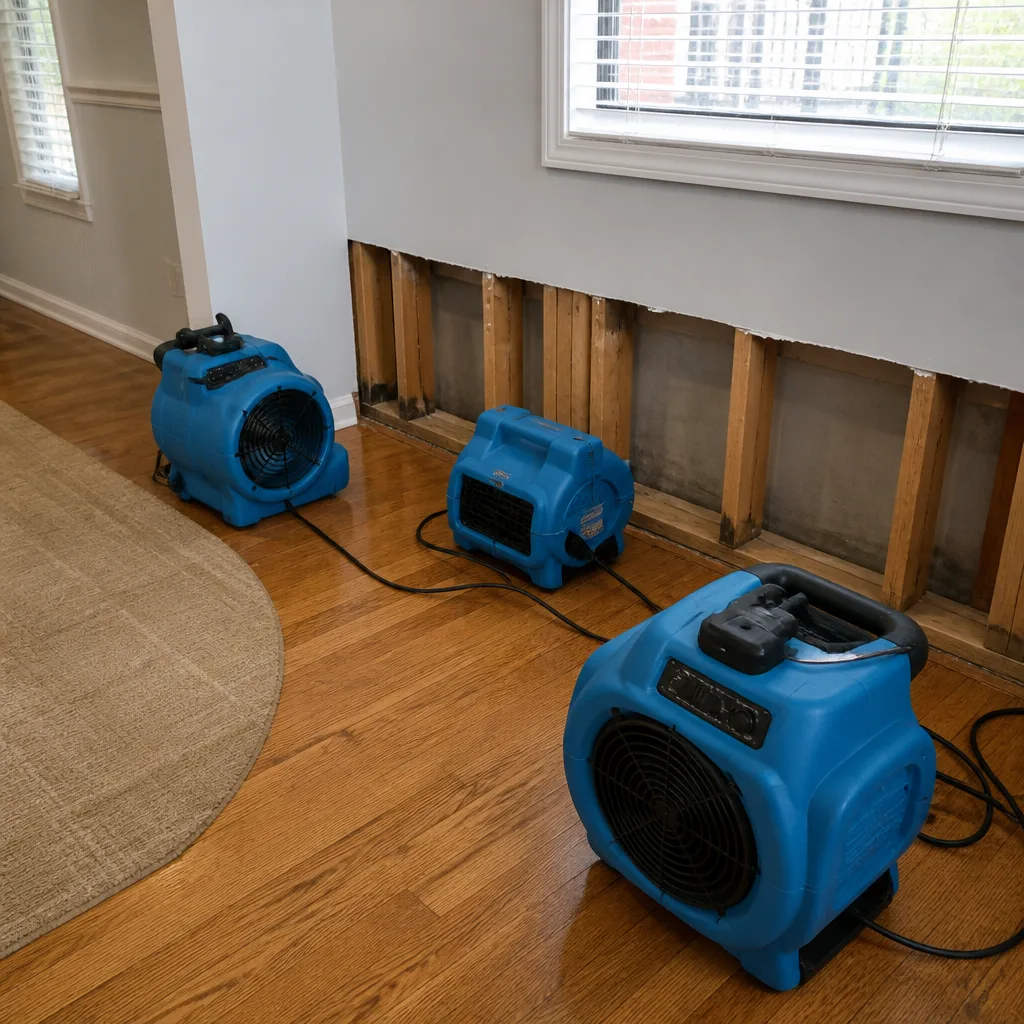
 Water damage drying
 Fire & smoke cleanup
 Mold remediation
 Storm response
 Sewage cleanup
 Reconstruction
Free visual inspection and a written scope of work before any mitigation begins - photos, moisture readings, and drying logs go in your claim file
The scope we write is the scope we bill. Anything new gets shown to you, in writing, before we touch it.
Get your free estimateRestoration work we handle
See the difference
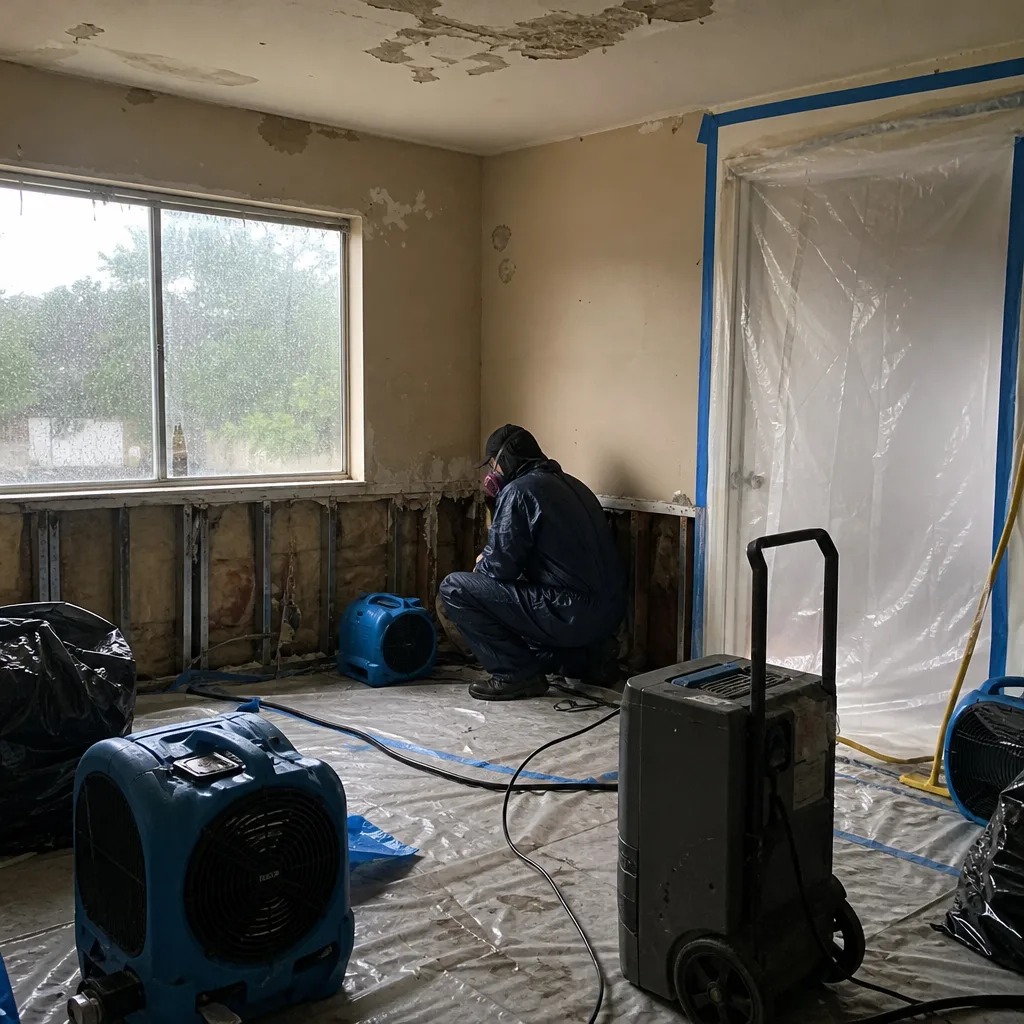 Before
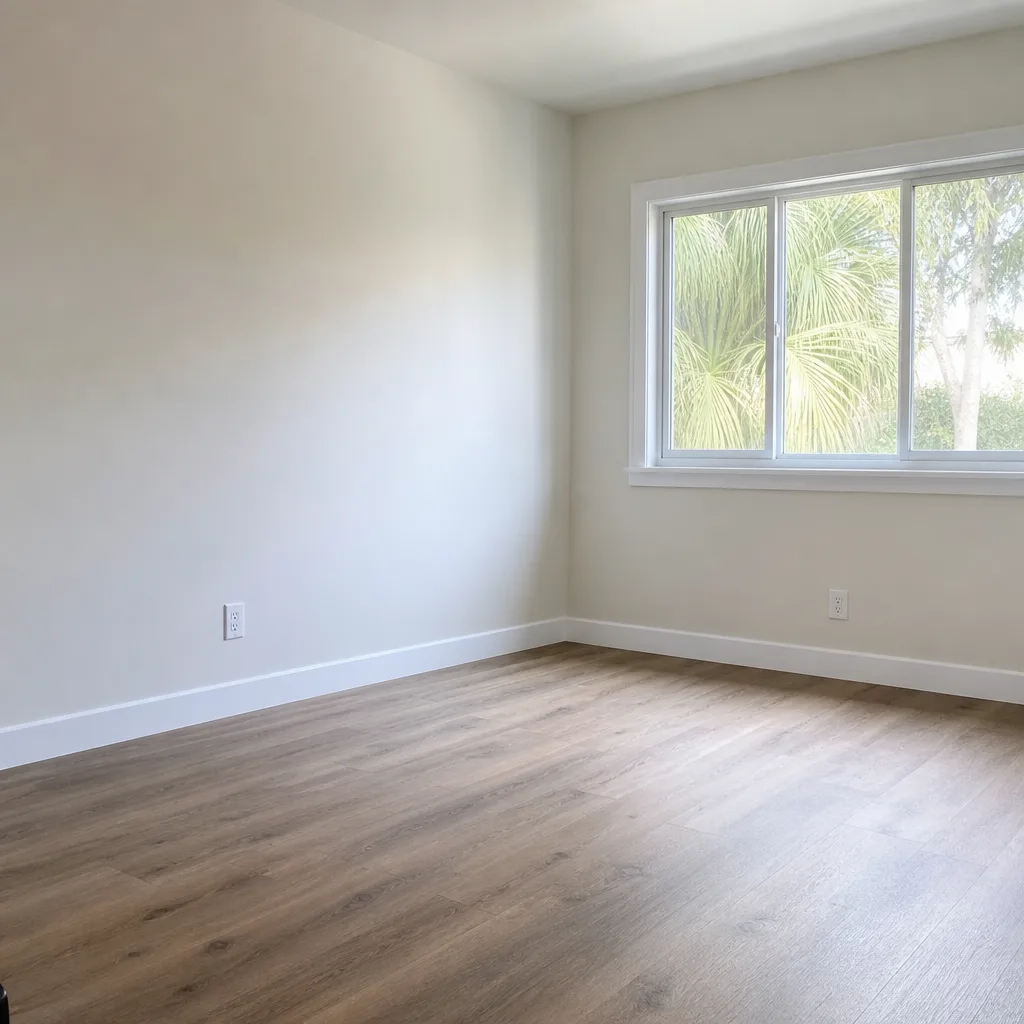 After
After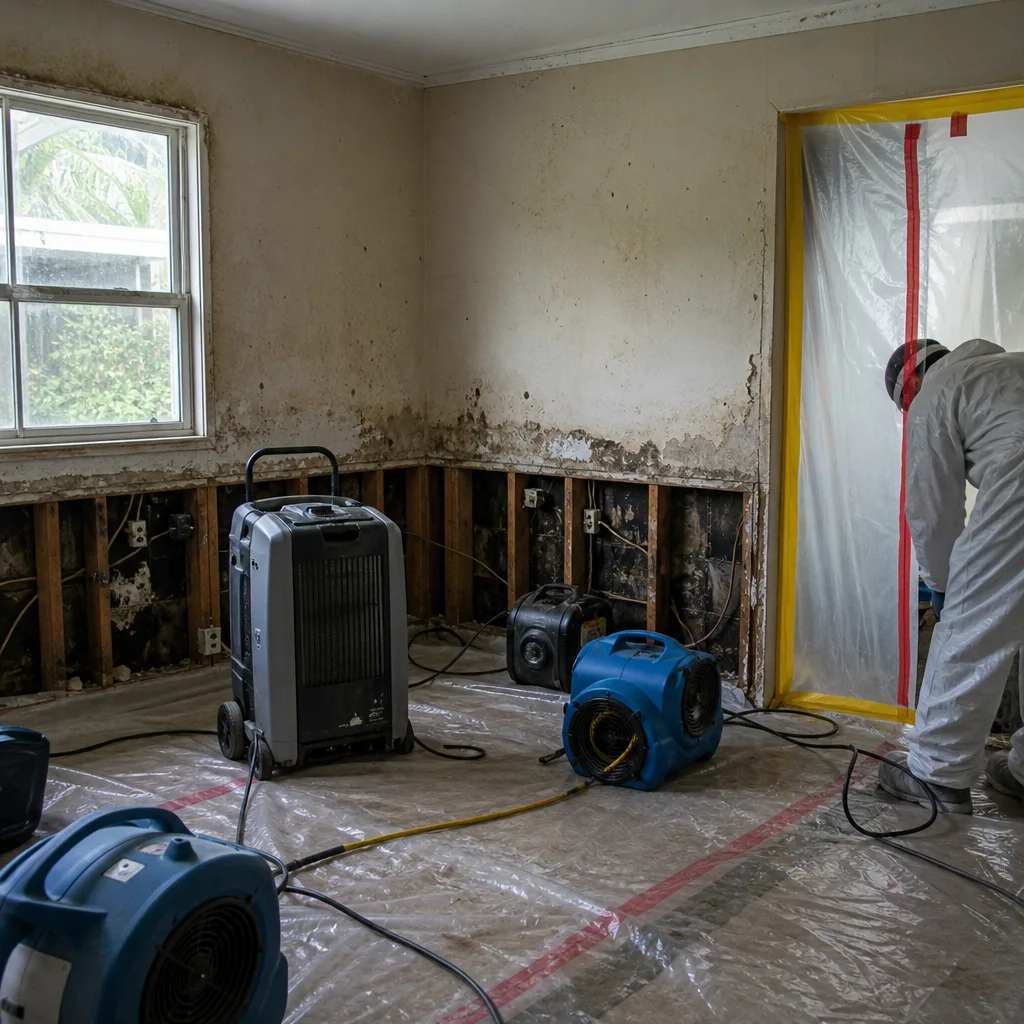 Before
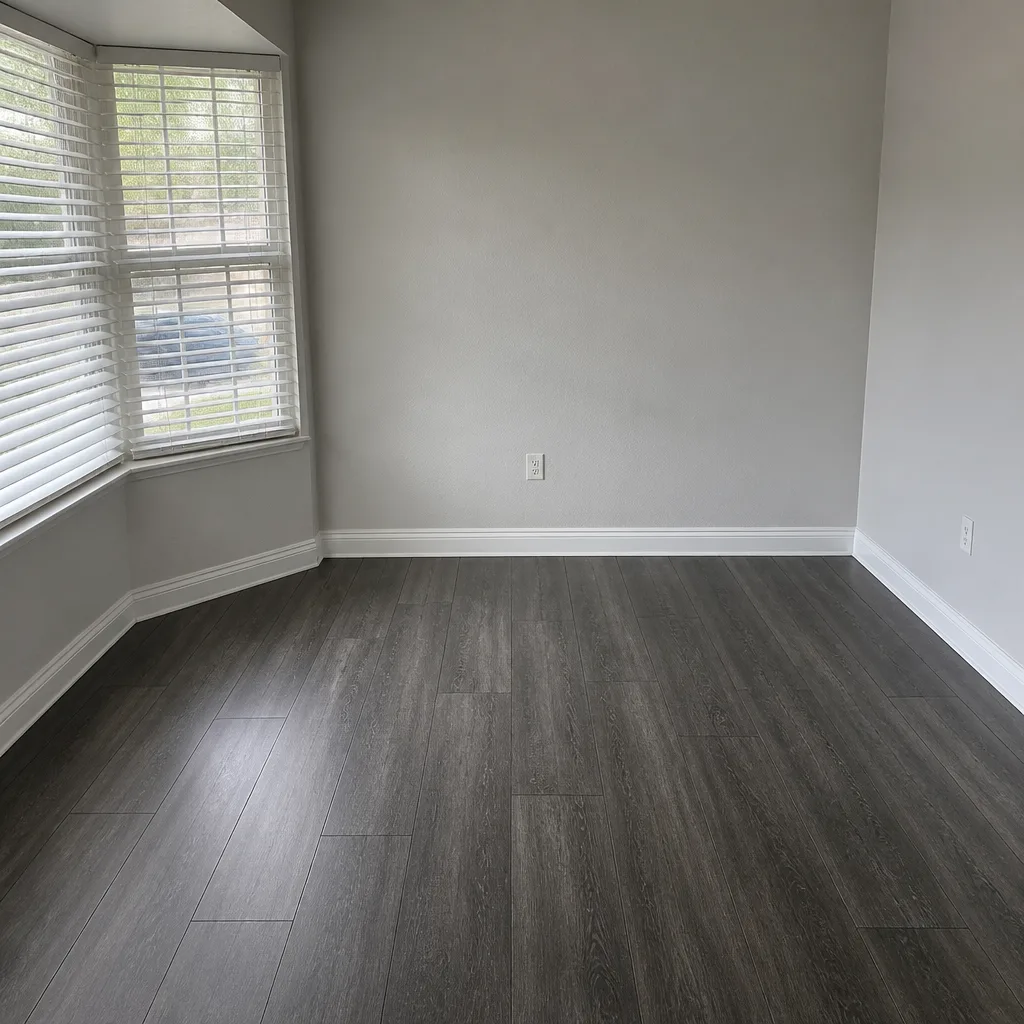 After
After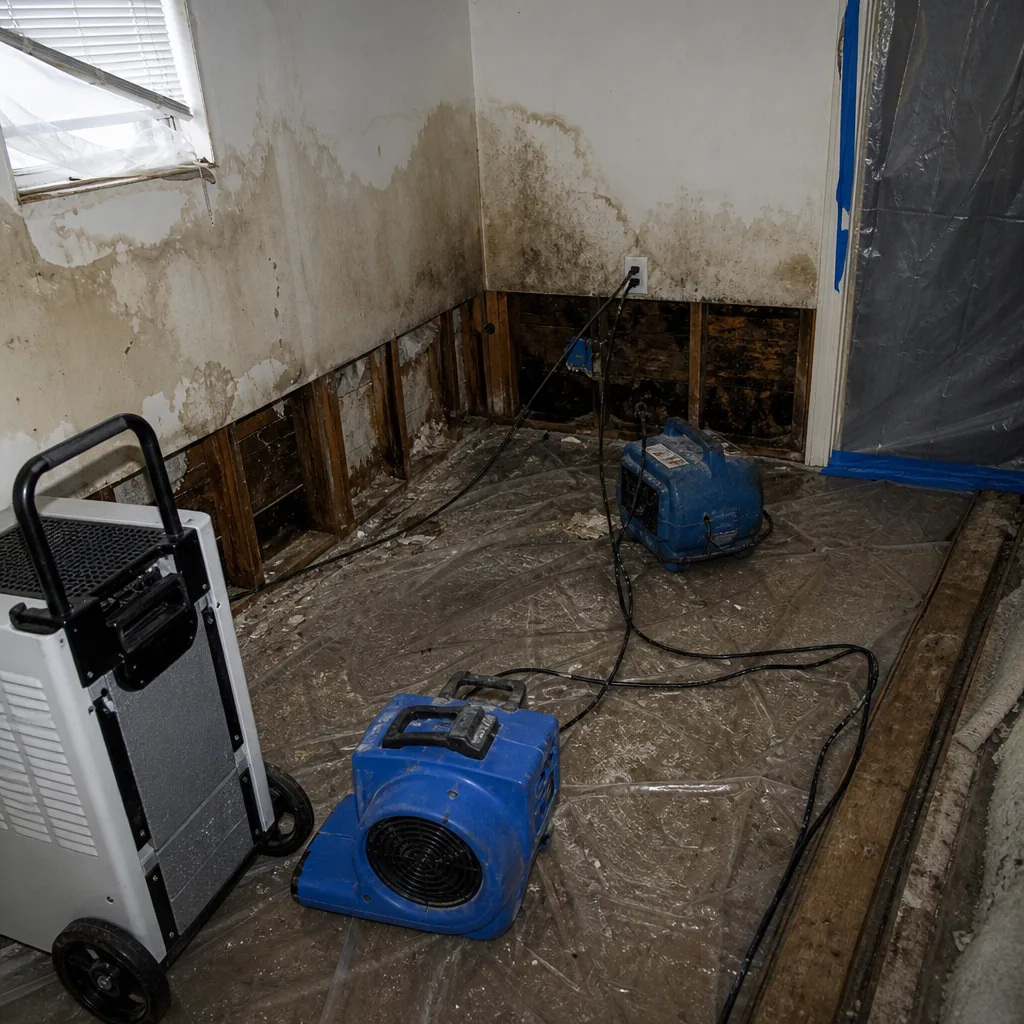 Before
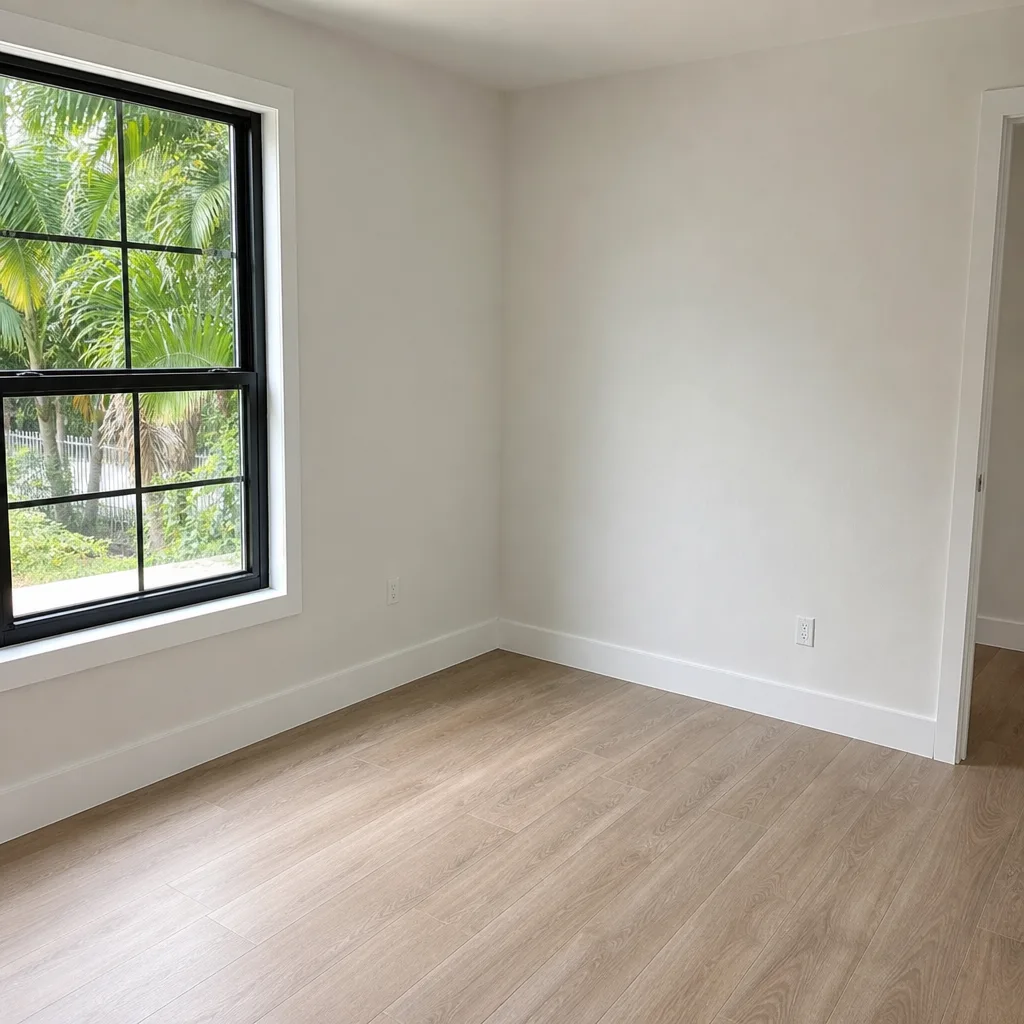 After
AfterStructural Drying & Dehumidification in Miami, FL
Structural drying and dehumidification in Miami typically costs between $1,800 and $5,400 depending on the square footage affected, how long the water sat, and whether drywall or flooring needs to be opened up. For a full breakdown of what drives these numbers, see our guide on how much water damage restoration costs in Miami, FL. It’s the process of removing moisture trapped inside building materials after a flood, burst pipe, or appliance leak, using industrial air movers and dehumidifiers until the wood, drywall, and concrete return to a dry standard. At Dryden Restoration Miami, we handle the full job: we extract standing water, map the moisture, set professional-grade equipment, monitor daily with moisture meters, and document everything until the structure is dry.
Miami’s humidity makes this work different from drying a house in, say, Phoenix. Our outdoor relative humidity (RH) routinely sits above 70%, which means water does not evaporate on its own the way it might in a dry climate. You need mechanical dehumidification to pull moisture out of the air and out of the materials, or you risk mold, warped floors, and drywall that crumbles weeks after the visible water is gone. Call us at (850) 533-8588 any time, day or night. A live person answers, and we’ll give you a straight answer about whether you need this service or something simpler.
If you’re dealing with standing water or major water intrusion, start with our Water Damage Restoration page for the full picture, then come back here to understand the drying phase specifically. For Miami-specific context, see Water Damage Restoration in Miami.
Key Takeaways
- Structural drying costs $1,800 to $5,400 for most Miami homes, depending on affected area and materials
- Miami’s 70%+ outdoor humidity means drying requires mechanical dehumidification, not open windows
- You’ll get a written price before any equipment is placed, and a 365-day written guarantee on the work
- Monitoring continues until moisture meters confirm the structure is dry, not just when the visible water is gone
- Every technician is background-checked, uniformed, and uses the same Dri-Eaz and Phoenix equipment commercial restoration crews run
When You Need Structural Drying & Dehumidification
You need structural drying when water has soaked into building materials, not just pooled on the surface. A puddle you mop up is not structural drying. Water that has wicked up drywall, soaked into subfloor, or saturated baseboards is. Here are the situations we see most often in Miami homes:
- A supply line burst while you were out. The water ran for hours, seeped under baseboards, into drywall, and along floor joists before you got home.
- A water heater failed on the second floor. Water traveled down through the ceiling, into wall cavities, and pooled between floors. The visible puddle is small; the damage is not.
- A hurricane or heavy rain event pushed water through a window, door, or roof. Even an inch of water inside means porous materials have absorbed moisture that will not dry on its own in Miami humidity.
- An AC drain line clogged and ran into the drywall. This is a slow, steady source of moisture that can go unnoticed for days or weeks. By the time you see staining, the drywall is saturated.
- A dishwasher or washing machine leaked under cabinetry and flooring. Water trapped under vinyl plank or tile sits against the subfloor and rots it from below while the surface looks fine.
The common thread: the problem is not the water you can see. It’s the water you can’t. In Coral Gables or Coconut Grove, older plaster walls hold moisture differently than the drywall in newer Doral or Kendall construction. In all cases, moisture trapped in a wall cavity becomes a mold incubator within 48 to 72 hours, which is why our equipment goes in quickly and runs until the readings say dry, not until the timer says done.
Our Structural Drying & Dehumidification Process
Here’s how we work, step by step. The process follows IICRC standards, and we explain each stage in plain English before we start, so you know what’s happening and why.
- Inspect and map the moisture. We use moisture meters and thermal imaging to find every wet area, including hidden pockets behind walls and under floors. We mark the affected zones and measure baseline moisture content.
- Set the drying plan in writing. Before any equipment is placed, you get a written price and a written drying plan: what equipment goes where, how many days we estimate, and what “dry” means in numbers, not adjectives. The price does not change at the door.
- Extract any remaining standing water. If water is still pooled, we extract it first. Dehumidifiers pull moisture from air and materials, but they are not designed to remove puddles. Extraction always comes first.
- Place air movers and dehumidifiers. We position professional-grade equipment, including Dri-Eaz and Phoenix units, to create airflow across all wet surfaces while dehumidification pulls the moisture out of the air. The goal is psychrometric drying: controlling temperature, humidity, and airflow together so materials dry from the inside out, not just on the surface.
- Monitor daily and adjust. We return every day to check moisture readings, reposition equipment, and track progress against the drying plan. You’ll see the numbers improving, and so will we. If a material is not drying as expected, we adjust the plan.
- Confirm dry and document. When moisture meters show all affected materials at or below the dry standard, we remove the equipment and give you a written summary. This paperwork matters if you file an insurance claim, and it matters because our 365-Day Done Right Promise is tied to these readings.
One note on safety: structural drying often requires working with electrical equipment in damp environments. Our technicians handle the water, the power, and the equipment placement. You should not be operating commercial dehumidifiers or opening walls yourself, especially when electrical wiring may be wet. It’s genuinely dangerous, and a professional should handle it.
When You Need Structural Drying After a Leak: Miami-Specific Timeline
Miami’s climate compresses the window for action. Here’s what we see in the field across neighborhoods from Brickell to Kendall, including basement water removal jobs:
- First 24 hours: Water has wicked into drywall edges, baseboards, and the bottom of door casings. Hardwood may begin to cup. Drying now is the cheapest and fastest route, usually $1,800 to $3,000 for a contained leak.
- Days 2 to 3: Moisture has penetrated deeper into wall cavities and subfloor. Mold spores that were dormant are now active. Drying takes longer and costs more, typically $2,500 to $4,500.
- Days 4 to 7: Drywall may be soft to the touch, flooring may be buckling, and you may smell a musty odor. Some materials may need removal rather than drying. Costs rise to $4,000 to $5,400 or more, plus replacement materials.
- Beyond a week: The conversation shifts from drying to controlled demolition and rebuild. You’re no longer in the drying phase; you’re in reconstruction.
The lesson is not “call us this second and we’ll discount it.” It’s that water damage restoration near you in Miami follows a predictable physics: the longer moisture sits, the more materials it claims. Drying early is cheaper than replacing later. That’s not a sales pitch. It’s how moisture behaves in a humid coastal city like Miami.
Structural Drying & Dehumidification Pricing in Miami
Here are honest dollar ranges based on the jobs we’ve done across Miami-Dade County. These are not bids. They’re the numbers we use when homeowners ask us to explain what they’re likely looking at before we’ve seen the property.
| Scope | Typical Cost Range | Time on Site |
|---|---|---|
| Single room, contained leak (e.g., AC drain line) | $1,800 – $2,800 | 3 to 5 days of equipment |
| Two to three rooms, supply line break | $2,800 – $4,200 | 4 to 7 days of equipment |
| Large area, multi-floor water migration | $4,200 – $5,400+ | 7 to 14 days of equipment |
| Water trapped under flooring, requires floor removal | $3,500 – $5,000+ | Variable – includes material removal |
What drives these costs:
- Square footage affected. More wet area means more air movers and more dehumidifier capacity. Each room typically needs one air mover per 50 to 100 square feet.
- How long the water sat. A same-day call is cheaper than a five-day-old leak. Saturated materials take longer to dry, and some may need removal.
- Material type. Tile over concrete dries differently than hardwood over a wood subfloor. Plaster walls dry slower than drywall. We factor material into the drying plan.
- Access. If we need to remove baseboards, drill weep holes, or open a wall cavity to dry inside, that work is part of the price and explained in advance.
At Dryden Restoration Miami, the price you approve is the price you pay. It’s in writing before any equipment is placed, and it does not change at the door. Call (850) 533-8588 for a free estimate. We’ll get a technician out, assess the moisture, and give you a number you can hold us to.
FAQs – Structural Drying & Dehumidification
How long does structural drying take in Miami?
Most structural drying jobs in Miami take 3 to 7 days of continuous equipment operation, with daily monitoring visits from our technicians. Miami’s high outdoor humidity means we can’t just open windows and let nature do the work; the dehumidifiers have to run until the moisture meters show the materials are at the dry standard. A small, contained leak may dry in 3 days, while multi-room water migration can take up to two weeks. Call (850) 533-8588 for a drying timeline specific to your home.
Can I just use fans and open windows instead?
No, and in Miami especially, fans and open windows will make the problem worse. When outdoor relative humidity is above 60%, opening windows introduces more moisture into the home, not less. Household fans move air but do not remove moisture from it. You need commercial dehumidifiers that actively condense water out of the air and a controlled drying plan. This is the difference between drying and just moving wet air around. We use Dri-Eaz and Phoenix equipment specifically because these machines are built to extract water vapor in high-humidity environments like Miami.
Will my insurance cover structural drying and dehumidification?
Most homeowner’s insurance policies in Florida cover structural drying when the water damage is sudden and accidental, such as a burst pipe or a covered appliance failure. Flood damage from rising water is typically a separate policy. We document everything with photos, moisture readings, and written reports that your adjuster can use, and we work directly with your insurance company when you file a claim. Call (850) 533-8588 and we’ll walk you through what documentation you’ll need.
What happens if the area is still wet after you leave?
Under our 365-Day Done Right Promise, if a covered repair fails within one year, we return and make it right at no charge. That includes the drying work. If moisture returns in a wall we dried, or if a material we cleared shows elevated readings later, you call us and we come back at no cost. The guarantee is written on every job, not verbal. It’s the same standard that applies to our home services across the board.
Is it cheaper to dry or to replace wet drywall?
In most cases, drying is cheaper than replacement, provided the drywall has not begun to break down. Drying costs $1,800 to $5,400 as shown above, while removing and replacing drywall across multiple rooms can cost $4,000 to $8,000 or more, not counting paint and finish work. However, drywall that has been saturated for more than a few days, shows visible mold, or crumbles to the touch is usually a removal job. We’ll tell you honestly which category yours falls into. The written price you get before work starts reflects that honest assessment.
Miami’s Drying Conditions and What They Mean for Your Home
Miami sits at the edge of a subtropical climate zone. Average relative humidity runs 70% year-round and frequently exceeds 80% during summer and early fall. That means building materials in your home carry a baseline moisture content higher than in most parts of the country. When water is introduced, those materials are already starting from a wetter state, and the humid air outside offers no escape route for moisture. Structural drying in Miami is not about getting things bone-dry to a Phoenix standard. It’s about returning materials to their normal equilibrium moisture content for this specific climate, and holding them there long enough to confirm stability. This is why we monitor with moisture meters daily, not just at the start and end of the job.
Homes in flood-prone areas of Miami-Dade, from the barrier islands of Key Biscayne to low-lying neighborhoods in Sweetwater and Westchester, face recurring exposure. If you’ve had water intrusion before, your structure may hold residual moisture in places previous dryouts missed. A home that has been wet repeatedly is also a home where drying plans need to account for salt water, contaminants, and materials that have already been compromised. We account for that history when we set up the equipment and set expectations for the timeline.
Why Homeowners Choose Dryden Restoration Miami
We’re an independently owned and operated Kingswell company, founded in 2005 and led by Carl Brandt. We follow the Kingswell Way: say the price before the work, show up in the window we gave, leave the place cleaner than we found it, put the guarantee in writing, and come back if it fails. Those are not marketing lines. They are the operating rules our technicians work under, and they apply to every structural drying job we take.
Our equipment fleet includes Dri-Eaz and Phoenix dehumidifiers, XPOWER air movers, and the same professional-grade machines used by large commercial restoration crews. Our technicians are background-checked, uniformed, and trained to IICRC, RIA, and IFA standards, the recognized benchmarks in the damage restoration industry. When someone from Dryden Restoration Miami walks into your home, you know who they are, what they’re doing, and what it costs. Nothing is hidden behind “we’ll see when we get there.”
If you have water damage and you’re not sure whether you need structural drying, start by calling us at (850) 533-8588. A live person answers 24 hours a day, 7 days a week. We’ll ask the right questions, give you a straight answer, and if drying is what’s needed, we’ll schedule a technician with a written price and a named arrival window. No pressure. No vague promises. Just a clear plan and the guarantee to back it.
Written by Carl Brandt, Owner at Dryden Restoration Miami, serving Miami.