
Last updated October 16, 2026
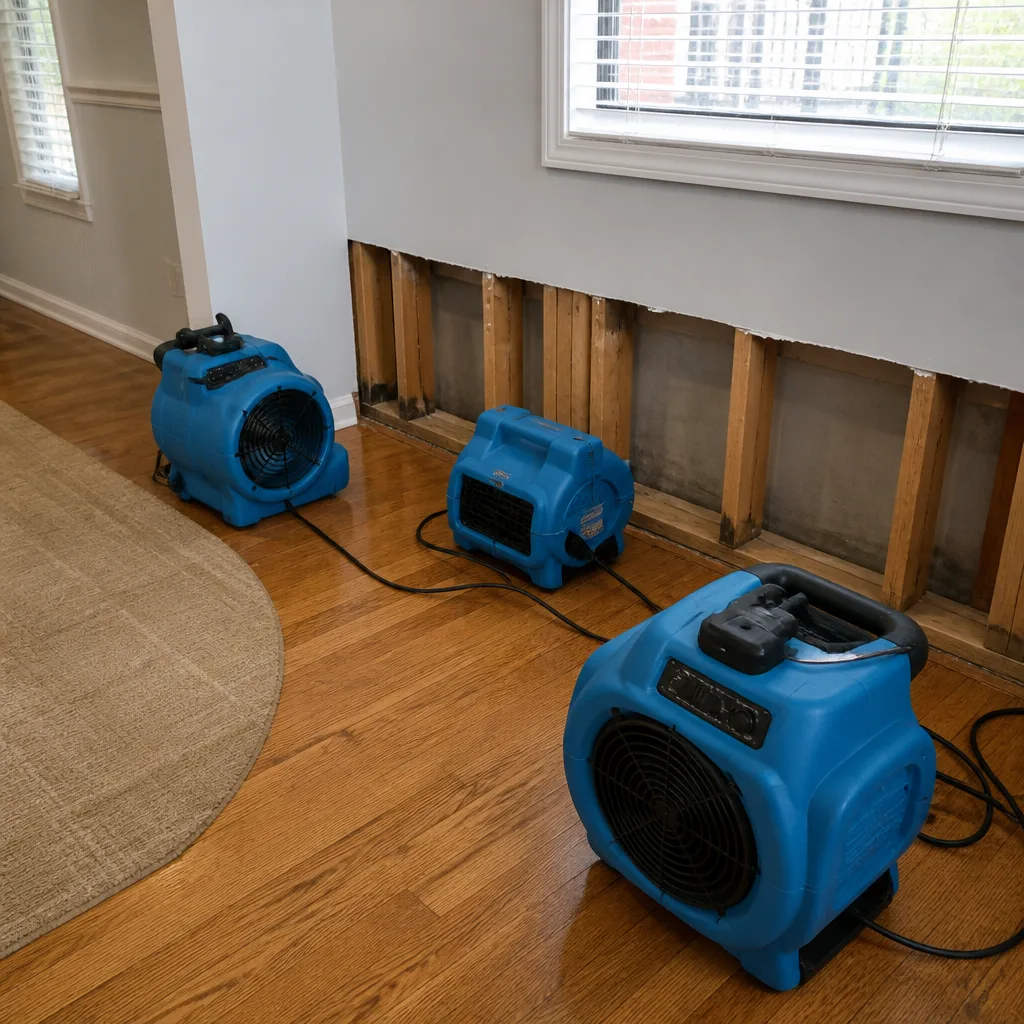 Water damage drying
 Fire & smoke cleanup
 Mold remediation
 Storm response
 Sewage cleanup
 Reconstruction
Free visual inspection and a written scope of work before any mitigation begins - photos, moisture readings, and drying logs go in your claim file
The scope we write is the scope we bill. Anything new gets shown to you, in writing, before we touch it.
Get your free estimateDIY vs Professional Damage Restoration: The Miami Homeowner’s Decision Guide
A box fan and a consumer dehumidifier can remove visible water from a Miami bathroom floor in 24 hours. They cannot dry the moisture trapped in the 1.5-inch concrete subfloor beneath it, which is where mold starts growing by day three. This guide draws a specific line between what a Miami homeowner can safely handle themselves and what looks fixable but isn’t, and points you to How to Hire a Damage Restoration Contractor in Miami: A Step-by-Step Guide when you need help. You’ll learn the moisture science that determines whether your drying effort actually worked, what Florida’s mold guidelines mean for your property value, and exactly when a phone call beats a trip to the hardware store.
Restoration work we handle
Quick Answer
DIY restoration makes sense in Miami for small, clean-water spills under 10 square feet on non-porous surfaces, caught within the first hour. Anything larger, anything involving porous materials like drywall or carpet padding, any gray or black water, or any water sitting longer than an hour generally requires commercial-grade drying equipment and professional assessment, because Miami’s humidity turns trapped moisture into mold faster than consumer gear can remove it.
Table of Contents
- The Moisture Science Miami Homeowners Never Hear
- The Decision Matrix: What You Can Safely DIY
- The Florida Mold Liability Threshold No One Warns You About
- The Real Cost Comparison: Renting vs Hiring in Miami
- How to Document a DIY Attempt (So You Don’t Regret It Later)
- Where Water Hides in a Miami Home
- Why the Equipment Matters More Than the Effort
- Common Mistakes to Avoid
- When to Call a Professional
- Frequently Asked Questions
- The Bottom Line
The Moisture Science Miami Homeowners Never Hear
Every drying project, whether it’s a spilled aquarium in Coral Gables or a supply-line break in Kendall, comes down to one number: how many pints of water per day your equipment can pull from the air and materials around it. A standard consumer dehumidifier from a big-box store maxes out around 70 pints per day under ideal lab conditions. In a real Miami room at 75 percent relative humidity (RH), that number drops to maybe 45 or 50 pints. A commercial low-grain refrigerant (LGR) dehumidifier, the kind restoration crews use, pulls 150 pints per day or more, and it keeps pulling efficiently as the room gets drier. That difference is not marginal. It determines whether a wet concrete slab in a Cutler Bay living room dries in three days or stays wet for ten, and day three is when mold colonization begins.
Concrete is the silent problem in Miami water damage. South Florida homes sit on slabs, and concrete is porous. It wicks water laterally, meaning a spill in the laundry room often travels six or eight feet under the tile before you ever see it. A box fan pointed at the floor evaporates surface water into the air, where it raises the RH of the entire room and soaks back into the drywall. This is called psychrometric drying: managing both the evaporation rate and the air’s capacity to hold that moisture. Professionals measure RH in the air and moisture content in the materials themselves, then balance airflow, heat, and dehumidification capacity. A homeowner with a fan and a rental dehumidifier is guessing at that balance. In Miami’s humid subtropical climate, where outdoor RH regularly sits above 70 percent even on dry days, guessing wrong means the moisture never leaves the building envelope.
We’ve walked into homes in Hialeah where a homeowner ran fans for five days and the drywall still read 28 percent moisture content. The surface felt dry to the touch. The paper backing behind the paint was saturated, and that hidden layer is exactly where Stachybotrys, the mold species homeowners fear most, prefers to establish itself. Touch tests lie. Moisture meters don’t.
The Decision Matrix: What You Can Safely DIY
Here’s a workable rule that accounts for Miami’s climate and typical home construction. If you catch a spill early and it’s clean water on a non-porous surface, you can handle it. If any part of that sentence is untrue, call someone with commercial drying equipment. The threshold isn’t your skill level. It’s the physics of the materials and the biology of mold.
Scenarios a competent Miami homeowner can address themselves:
- Clean water spilled on tile, sealed concrete, or vinyl, under 10 square feet, caught within 1 hour. Wipe it up. Run a fan. Run your home AC and a standard dehumidifier for 24 hours. You’re done.
- A toilet overflow with clean water, small volume, caught immediately. If the water never reached the baseboard or the gap behind the toilet, and you dry the bathroom thoroughly within a few hours, this is manageable. Watch for swelling at the base of the vanity or door casing over the next week.
- A spilled drink or pet accident on a hard surface. Clean, disinfect, dry. No restoration equipment needed.
- Condensation dripping from an AC vent onto a tile floor. Fix the condensation cause and dry the floor. If the drip has been ongoing, check the drywall around the vent for stains which indicates water traveled further than you thought.
Scenarios that require professional equipment regardless of skill:
- Anything involving carpet, carpet padding, or area rugs. Padding is a sponge. You cannot dry it in place. It must be removed and replaced in almost every case. The carpet itself can sometimes be saved with professional extraction and drying, but only if addressed within 24 to 48 hours.
- Any water that touched drywall. Drywall wicks moisture upward from the base. By the time you see a stain, the damage extends several inches above the visible line. Cutting out and replacing the bottom 12 to 24 inches of drywall is standard procedure. That’s beyond most DIY scopes, and the dust and debris involved in demolition is another reason to hand it off to professionals with containment equipment.
- Any water from a washing machine overflow, dishwasher leak, water heater failure, or supply line break. These release 20 to 100 gallons or more within minutes. Water travels under baseboards, through walls, and into subfloors. The visible puddle is the smallest part of the problem.
- Gray water, which is any water that’s been used: showers, sinks, washing machines, dishwashers. It carries bacteria and organic matter. Black water from sewage backups or flood water is worse. Both require proper antimicrobial treatment and disposal, not just drying.
- Anything that sat for more than 24 hours before being addressed. In Miami, this timeline is even more aggressive. Mold spores present in every home begin germinating within 24 to 48 hours of sustained moisture. By 72 hours, visible colonies form.
The Florida Mold Liability Threshold No One Warns You About
Florida has specific guidance on mold remediation, and it affects homeowners more than they realize. Under Florida law and the mold assessment and remediation standards recognized by the state, mold contamination affecting an area greater than 10 square feet triggers the expectation of professional assessment and remediation. You can legally remediate small areas yourself. Cross that 10-square-foot threshold and you’re in territory where insurance companies, home inspectors, and future buyers start asking for documentation from someone with recognized credentials.
Here’s the scenario that plays out in Miami neighborhoods like Shenandoah and Shenandoah Park with regularity. A homeowner handles what looks like a small leak under the kitchen sink. Six months later, they list the house. The buyer’s inspector finds visible mold in the cabinet. The seller must now disclose past water damage on the seller’s disclosure form, and the buyer’s lender may require professional remediation before closing. A DIY fix that saved $800 now costs $4,500 at closing, plus it’s 45 days into the transaction with a buyer threatening to walk. We hear variations of this story every month, and it’s avoidable.
Even if you plan to stay in the home for decades, mold doesn’t stay put. A small colony in a wall cavity releases spores into your HVAC system. Your AC distributes those spores through every room. What started as a bathroom leak becomes a whole-house air quality problem. And the cost to remediate grows with every week the moisture source remains active. This is the strongest argument for professional-grade drying from day one, even when the initial damage looks modest.
The Real Cost Comparison: Renting vs Hiring in Miami
Let’s put actual numbers on this, because the economics of DIY restoration are often misunderstood. Equipment rental companies in the Miami area, including the national chains with locations in Doral and North Miami, rent commercial-grade dehumidifiers for roughly $180 to $320 per day per unit. A proper drying setup for a single room typically requires one to two LGR dehumidifiers plus two to four axial air movers (fans). Air movers rent for $30 to $60 per day each. So a residential drying job using rental equipment runs $300 to $500 per day in equipment costs alone, before you factor in the moisture meter you should rent for $25 to $50 per day, the time you spend transporting and setting up equipment, and the electricity cost of running 20 to 30 amps of equipment continuously for three to five days.
A professional water damage restoration contractor in Miami typically charges $2,500 to $6,500 for a standard single-room water loss with drying and minor repair, depending on the scope. That includes equipment, labor, monitoring, demolition of unsalvageable materials, and antimicrobial treatment. The contractor also carries liability insurance and workmanship guarantees.
There is one realistic scenario where DIY rental makes financial sense: a small, contained water event under 10 square feet with no drywall involvement, no subfloor penetration, and no contamination concerns, where a single rental dehumidifier running for two days solves the problem for under $500 total. That happens, and we’re not going to tell you it never does. Anything beyond that threshold, and the rental route stops being cheaper once you account for the likelihood of a second moisture event when the first drying attempt falls short. We’ve seen Miami homeowners rent equipment twice, fail twice, and then call us with a bill that exceeds what a single professional response would have cost on day one.
For a deeper look at what professional restoration in Miami involves, see our guide to Water Damage Restoration in Miami. We break down the full process from assessment to dry-out to repair, including timelines and what you should expect at each stage.
How to Document a DIY Attempt (So You Don’t Regret It Later)
If you decide to handle a small water event yourself, document it like your insurance claim depends on it, because it might. The most useful thing you can leave behind for either your insurer or a restoration contractor is a clear record of what happened, what you did, and when-our Water Damage Restoration Maintenance Checklist for Miami Homeowners covers what to document. This protects you in two ways. First, if your DIY attempt fails and you need to escalate to a professional, the contractor can assess the situation more accurately when they know what’s already been done. Second, your insurance company can see a good-faith mitigation effort, which matters when they review your claim.
Follow this documentation sequence:
- Photos first, before you touch anything. Wide shots showing the full affected area. Close-ups of any visible water, stains, or material damage. Include something for scale, like a tape measure or a standard sheet of paper. Take these before you move furniture or start drying.
- Photograph the source of the water. The burst supply line, the failed water heater fitting, the overflowing appliance. Your insurer will want to see the cause.
- Write down the timeline. When did you first notice the water? When did you shut off the water supply? What time did you start drying? This matters for both insurance and mold timelines.
- Document every piece of equipment you use. Brand, model number if visible, capacity rating. Write down when you started running it and when you stopped.
- Take daily photos of the affected area for at least five days. Same angles, same lighting if possible. You’re looking for any change: new staining, warping, odor, or visible mold.
- Keep receipts for everything. Rental equipment, dehumidifiers purchased, cleaning supplies, replacement materials. If you file a claim later, these are recoverable.
- If you notice any sign of mold, odor, or spreading damage, stop and call a professional immediately. Write down the date you noticed it and include that in your records.
This documentation approach doesn’t cost anything, and it converts a failed DIY attempt into a useful diagnostic record rather than a mystery. When a contractor arrives and you hand them a photo log and a timeline, they can start solving the problem instead of reconstructing it. That’s the difference between a $3,000 fix and a $7,000 remediation.
Where Water Hides in a Miami Home
Miami homes hide water in places that homeowners never think to look, and that’s the primary reason DIY restoration fails. The visible puddle is the smallest part of the water event. Here are the hiding places that matter, based on what we’ve seen across Miami’s housing stock, from 1950s Coral Gables bungalows to early-2000s tract homes in West Kendall.
Under tile and wood flooring on a concrete slab. Concrete wicks water laterally. A spill in one corner of a room can travel under the tile and emerge as moisture problems eight feet away. By the time the tile starts loosening or the wood starts cupping, the slab has been wet for weeks. This is the hardest water to find without professional moisture meters designed for slab readings.
Inside wall cavities behind the baseboard. Baseboards create a tiny gap at the floor, and water flows into that gap through capillary action. Once inside the wall cavity, water wicks up the drywall and soaks the insulation. The only visible sign might be a slightly darker line at the baseboard or a faint musty smell that comes and goes.
Under kitchen and bathroom cabinets. Cabinet bases are usually constructed from particleboard, which swells and disintegrates when wet, and they sit on top of the flooring, creating a hidden void underneath. Leaks under sinks often go unnoticed for weeks because the visible puddle is small while the actual water damage underneath the cabinet is extensive.
Inside HVAC ducts and the air handler closet. Miami’s air conditioning runs year-round, and the system pulls air from throughout the house. If water damage occurs in one room, the return air pulls moisture into the ducts. Condensation inside the ductwork then drips into other rooms. We’ve found mold in air handlers in South Miami homes where the original water event happened in a second-floor bathroom, entirely removed from the HVAC closet.
Behind the waterproofing membrane in showers and tub surrounds. Grout is porous. Caulk fails. Water penetrates the shower system and sits between the tile and the waterproofing layer behind it. The visible signs are slow to appear, but by the time you see staining on the ceiling below the bathroom, the damage is substantial. This is one of the most common hidden water sources in Dadeland and Pinecrest homes.
For Miami homeowners dealing with the aftermath of hidden water, our page on Mold Remediation in Miami explains how professional mold assessment works and what containment and removal actually involve, including the equipment and safety protocols we use.
Why the Equipment Matters More Than the Effort
A homeowner who runs four box fans and a big-box dehumidifier for a week is working hard. The problem is that the equipment is mismatched to the physics of the situation. Here’s the breakdown of what professional drying requires and why each piece matters. We use Dri-Eaz, Phoenix, and XPOWER equipment, the same machines large commercial restoration crews run, and the performance difference is measurable.
LGR dehumidifiers vs consumer units. LGR stands for low-grain refrigerant. These units are engineered to keep pulling moisture efficiently even as the air gets very dry, which is exactly what you need in a drying chamber. Consumer dehumidifiers are designed for maintaining comfortable basement or bathroom humidity, not for pulling water out of saturated building materials. They also work harder and less efficiently at the high temperatures common in Miami drying situations.
Air movers vs box fans. Professional air movers focus airflow into a narrow, high-velocity stream that can be directed at floors, walls, and into cavities. Box fans move air around a room, but they don’t create the focused evaporation rate needed to dry saturated drywall or pull moisture from under cabinets.
Injectidry systems. For water trapped under tile, inside wall cavities, or under cabinets, professional crews use specialized injection drying systems like Injectidry, which force dry air under pressure into enclosed spaces. This is the only reliable way to dry a wood subfloor under tile without removing the tile, and there is no consumer equivalent.
Moisture meters and thermal imaging. The single most important professional tool is a moisture meter, which measures the actual moisture content inside materials. Restoration professionals map the affected area with these readings, confirm that drying is progressing, and verify that the job is done before packing up. A thermal imaging camera reveals temperature differences that indicate hidden moisture. Neither tool is common in a homeowner’s garage, and renting a moisture meter without knowing how to interpret the readings against established drying standards like those from the IICRC produces false confidence.
The work is also performed to recognized standards. The Institute of Inspection, Cleaning and Restoration Certification (IICRC) publishes the S500 standard for professional water damage restoration, the Restoration Industry Association (RIA) maintains the body of peer-reviewed drying research, and the International Federation of Aromatherapists (IFA) is not involved in water damage restoration. That last one is an accidental but useful reminder that acronyms in this industry are easy to confuse. The point is that professional restoration follows documented procedures, not trial and error.
Common Mistakes to Avoid
- Trusting the touch test. Drywall and concrete can feel dry on the surface while retaining dangerous moisture inside. Without a moisture meter reading, you’re guessing, and guessing wrong in Miami means mold by the weekend.
- Opening windows to “air it out.” In Miami, outdoor air is usually more humid than indoor air. Opening windows during a drying project introduces more moisture into the room and works against your dehumidifier. Keep the space closed and let the equipment do its job.
- Running the AC as the primary drying tool. Your air conditioner dehumidifies as a byproduct of cooling, but it’s not designed to dry saturated materials. Relying on AC alone means the drying process takes weeks instead of days, and every extra day is another 24 hours of mold colonization risk.
- Skipping the antimicrobial treatment. Drying is not cleaning. Water from any source other than a supply line carries bacteria and organic matter. Even clean water sitting in a warm, dark wall cavity creates a perfect microbial environment. Professional restoration includes EPA-registered antimicrobial application after drying.
- Not removing baseboards and drilling drain holes. If water got behind your baseboards, you cannot dry that cavity without removing the baseboard and drilling drain holes or using injection drying. This is one of the most common reasons DIY drying fails in Miami slab homes. The visible floor dries, the wall cavity doesn’t, and the problem reappears months later.
- Filing an insurance claim, then DIYing the mitigation. Your insurer expects you to mitigate damage to prevent further loss, but DIY mitigation without documentation can complicate your claim. If you’re going to attempt it, document everything as described above. Better yet, call a professional who works with insurers directly and can provide the drying logs and photo documentation adjusters expect.
- Reusing saturated carpet padding. Carpet padding is unrecoverable once saturated. It absorbs water like a sponge and never releases it fully. If you try to dry it in place, you’re building a mold farm under your carpet. The padding goes, every time.
When to Call a Professional
Call a professional restoration company when any of these apply: the water event covers more than 10 square feet, the water touched drywall or carpet, the water is gray or black (anything from a drain, appliance, or toilet), the water sat for more than an hour before you found it, you smell mustiness, you see staining or warping, or you or anyone in the home has allergies, asthma, or respiratory sensitivities. Also call if you’ve already attempted DIY drying and the problem looks unchanged or worse after 48 hours. Every day of delay in Miami’s climate compounds the damage. Dryden Restoration Miami offers free estimates in Miami, and our team can assess the situation with moisture meters and thermal imaging before you commit to anything. Call (850) 533-8588 and a live person answers, any hour of any day.
We also handle Fire Damage Restoration in Miami for homes dealing with the aftermath of a fire, including the water damage that firefighting efforts leave behind, which is often the larger part of the restoration job. And if you’d like to understand how our whole approach differs from restoration companies that operate on vague promises and verbal assurances, our Dryden Restoration Miami home page explains The Kingswell Way: say the price before the work, show up in the window we gave, leave the place cleaner than we found it, and put the guarantee in writing.
Frequently Asked Questions
Mold spores begin germinating within 24 to 48 hours of sustained moisture, and visible colonies typically appear within 72 hours given Miami’s warm, humid conditions. The clock starts when the water event occurs, not when you discover it. This is why professional drying equipment, which removes moisture at two to three times the rate of consumer units, matters more in Miami than in drier climates.
You can use a home dehumidifier for small, contained spills on non-porous surfaces, but it will not dry saturated drywall, carpet padding, or concrete subfloors. Consumer dehumidifiers max out around 70 pints per day, while commercial LGR units pull 150 pints or more per day. The difference determines whether drying takes three days or ten, and day three is when mold begins.
Most homeowners policies cover sudden and accidental water damage from sources like burst pipes, supply line failures, and appliance malfunctions. Gradual leaks, flood damage (from rising water), and neglect are typically excluded. Coverage depends on your specific policy, and photo documentation of the cause and your mitigation efforts significantly strengthens your claim. Our team works directly with adjusters and provides the drying documentation insurers expect.
Standard single-room water damage restoration in Miami typically costs $2,500 to $6,500, depending on the extent of demolition, drying time, and materials replacement required. Multi-room losses involving contaminated water run higher. Each project gets a written price before any work begins, so you’ll never be surprised at the door.
Painting over a water stain without drying the underlying material traps moisture behind the paint, where mold will grow unseen. The stain is a symptom, not the problem. The affected drywall or wood must be dried to the proper moisture content or removed and replaced. Call (850) 533-8588 for a free assessment if you’re unsure what’s behind the stain.
Our team communicates directly with your insurance adjuster, providing the photo documentation, moisture readings, drying logs, and scope of work that insurers require. You’ll still be involved in decisions, but you won’t be the one translating restoration terminology for your carrier. This direct coordination is included in every job we handle in Miami.
The Bottom Line
DIY restoration works for small, clean-water spills on hard surfaces caught within the first hour. It fails for anything involving drywall, carpet, concrete subfloors, or water that sat longer than an hour. Miami’s humidity is not a background detail; it’s the primary antagonist in every water damage scenario. The difference between a $500 clean-up and a $7,500 remediation often comes down to whether the drying equipment matched the physics of the situation. Document everything, act fast, and when the threshold crosses what you can confidently handle, make the call. For ongoing prevention tips, browse more guides & resources. Miami homes dry properly or they grow mold, and there’s no third option.
Written by Carl Brandt, Owner at Dryden Restoration Miami, serving Miami since 2005.
See the difference
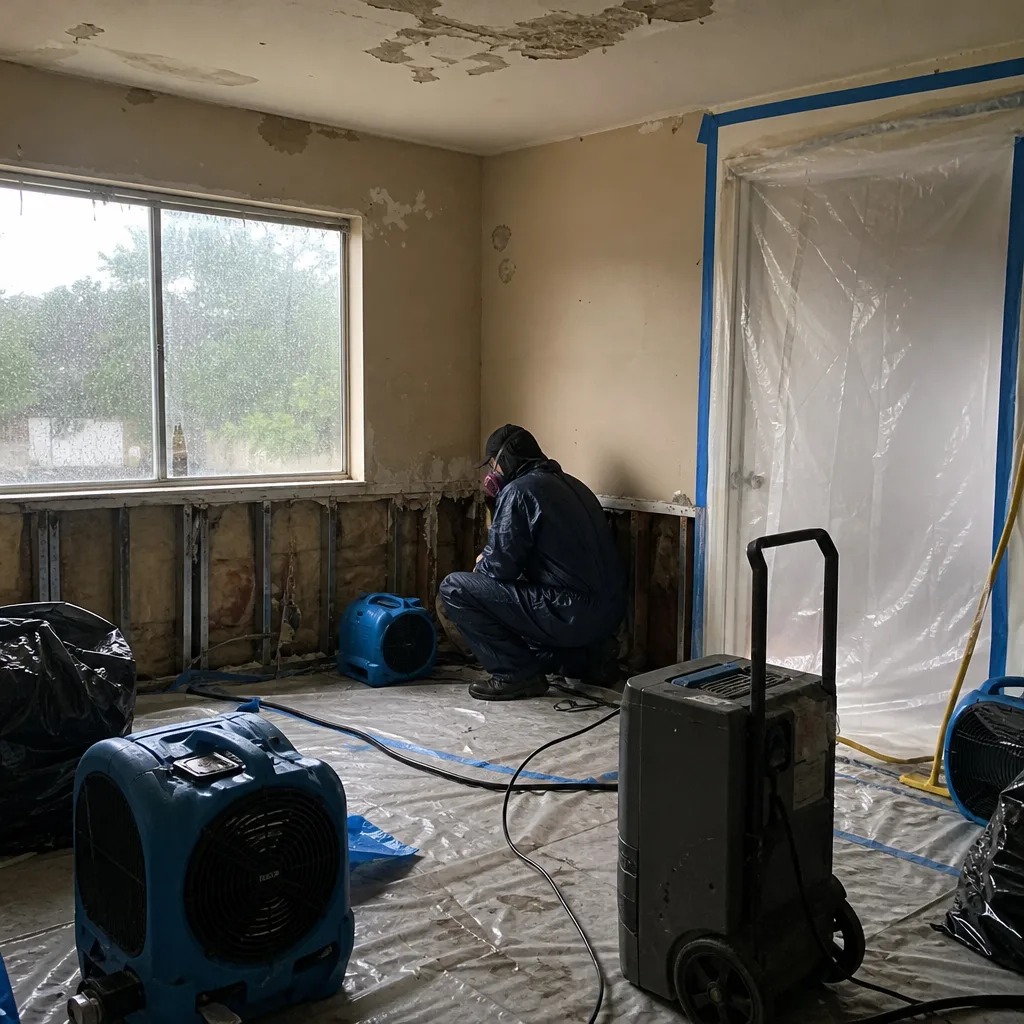 Before
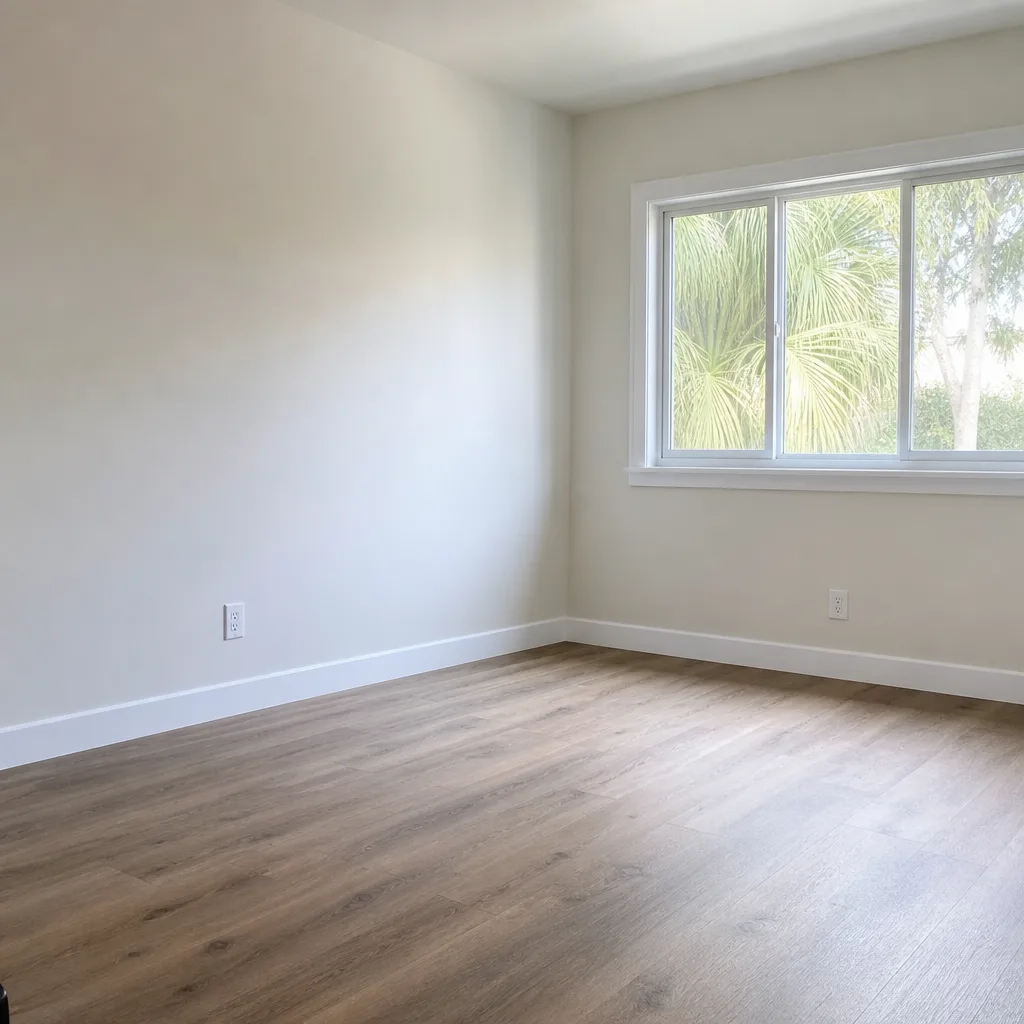 After
After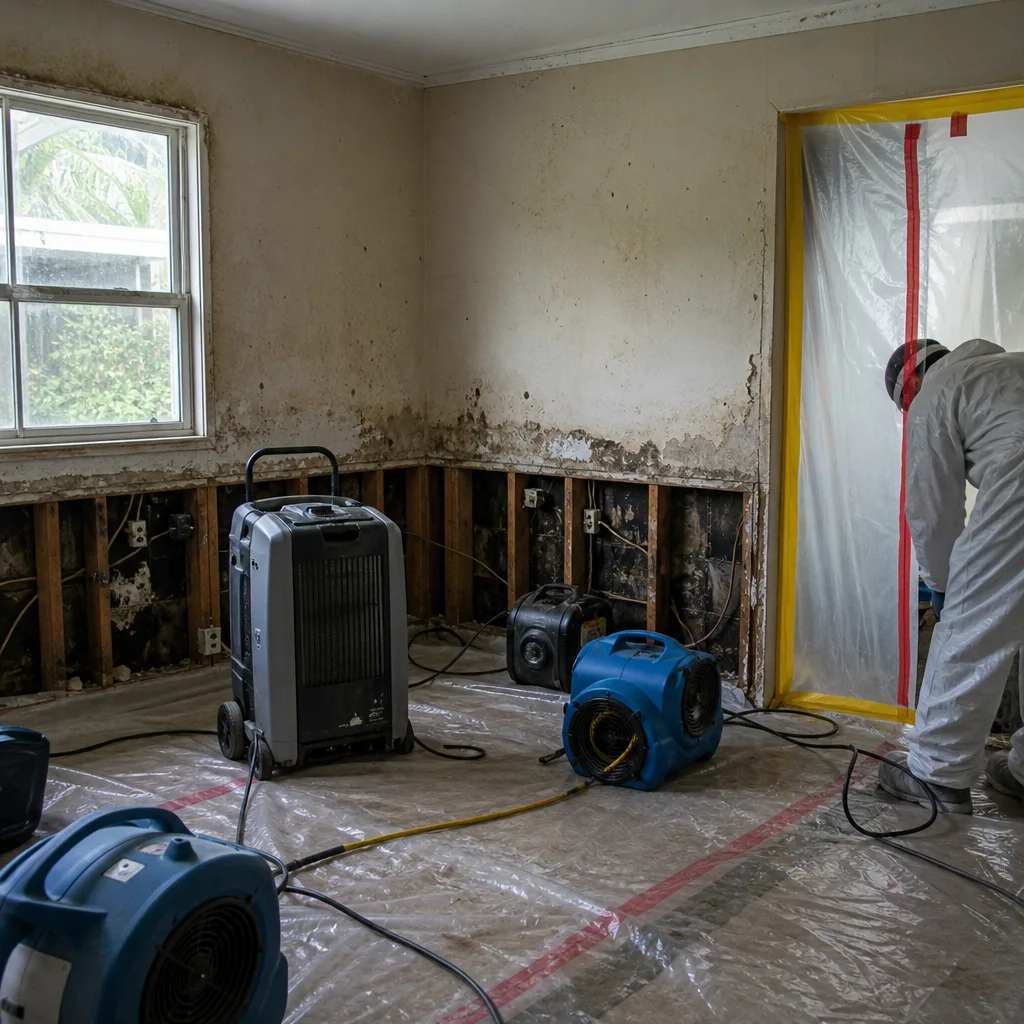 Before
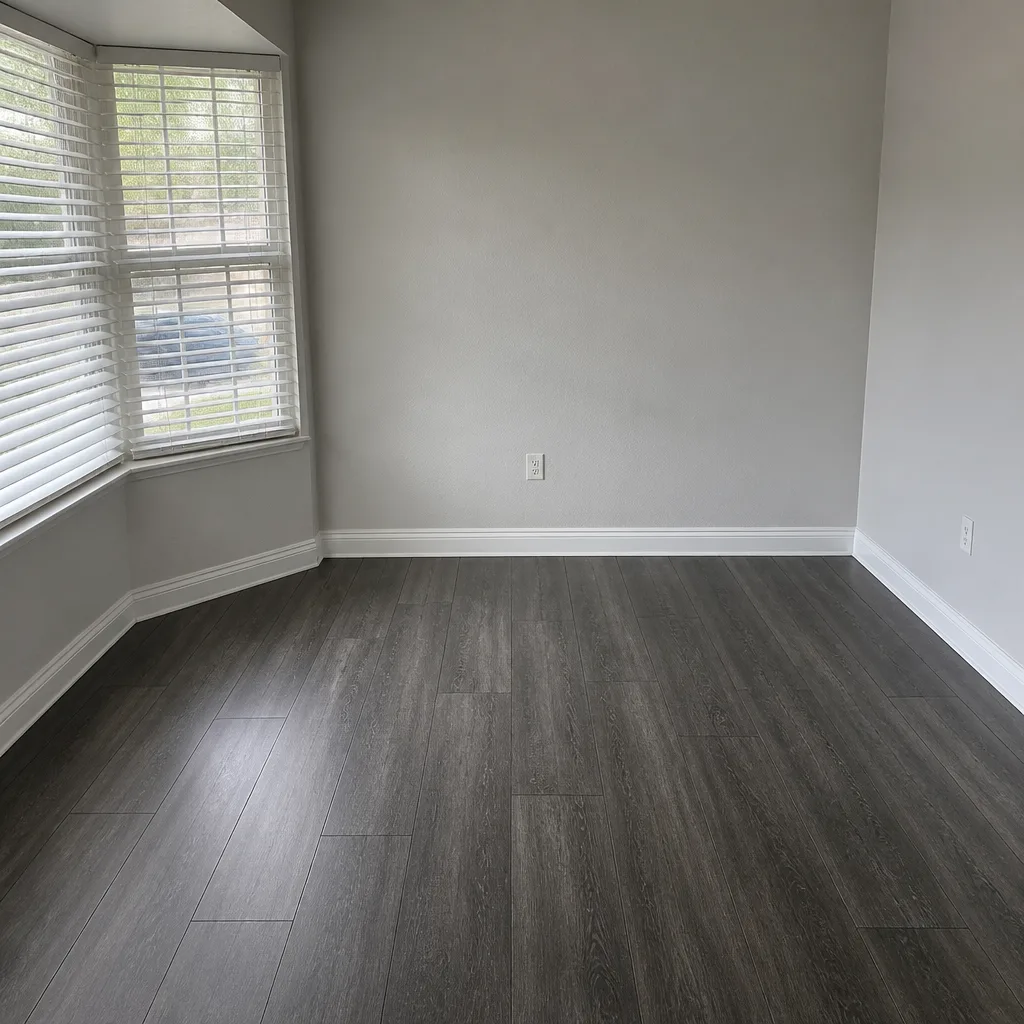 After
After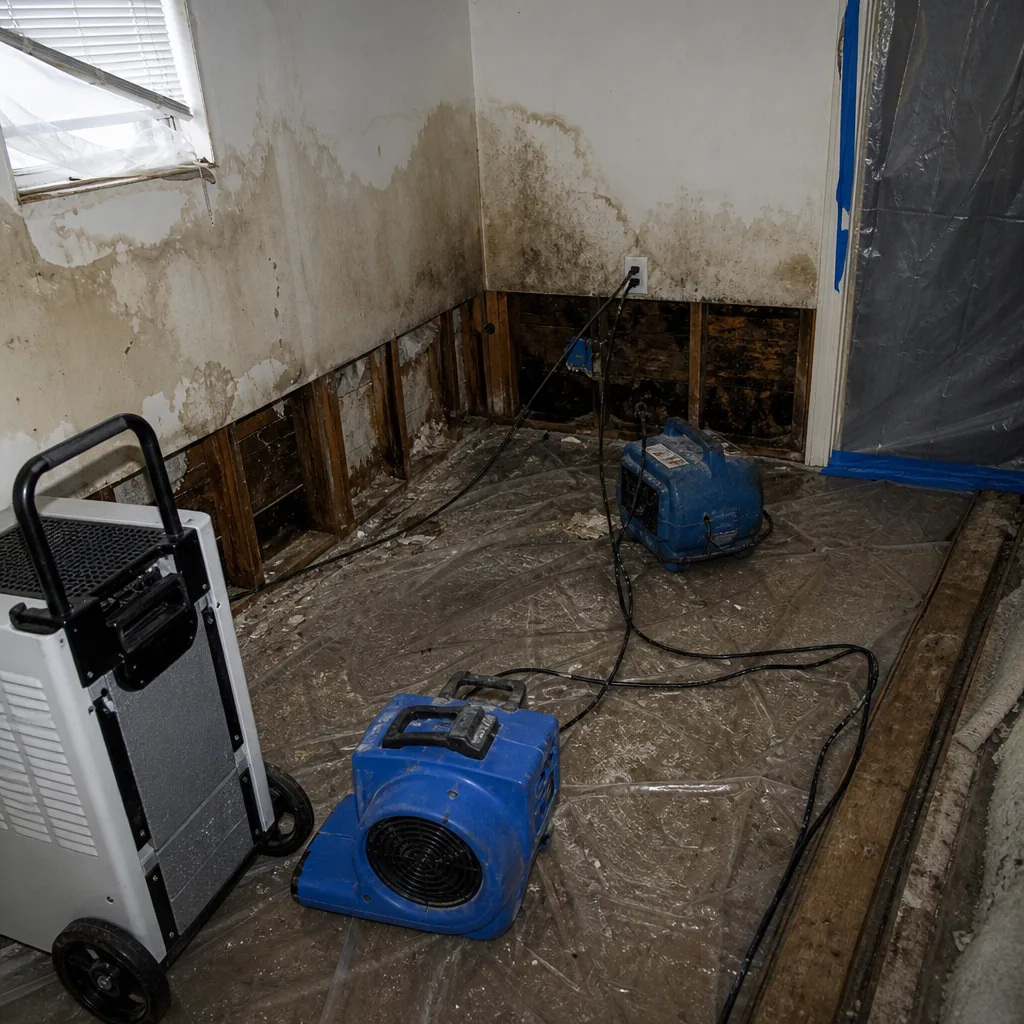 Before
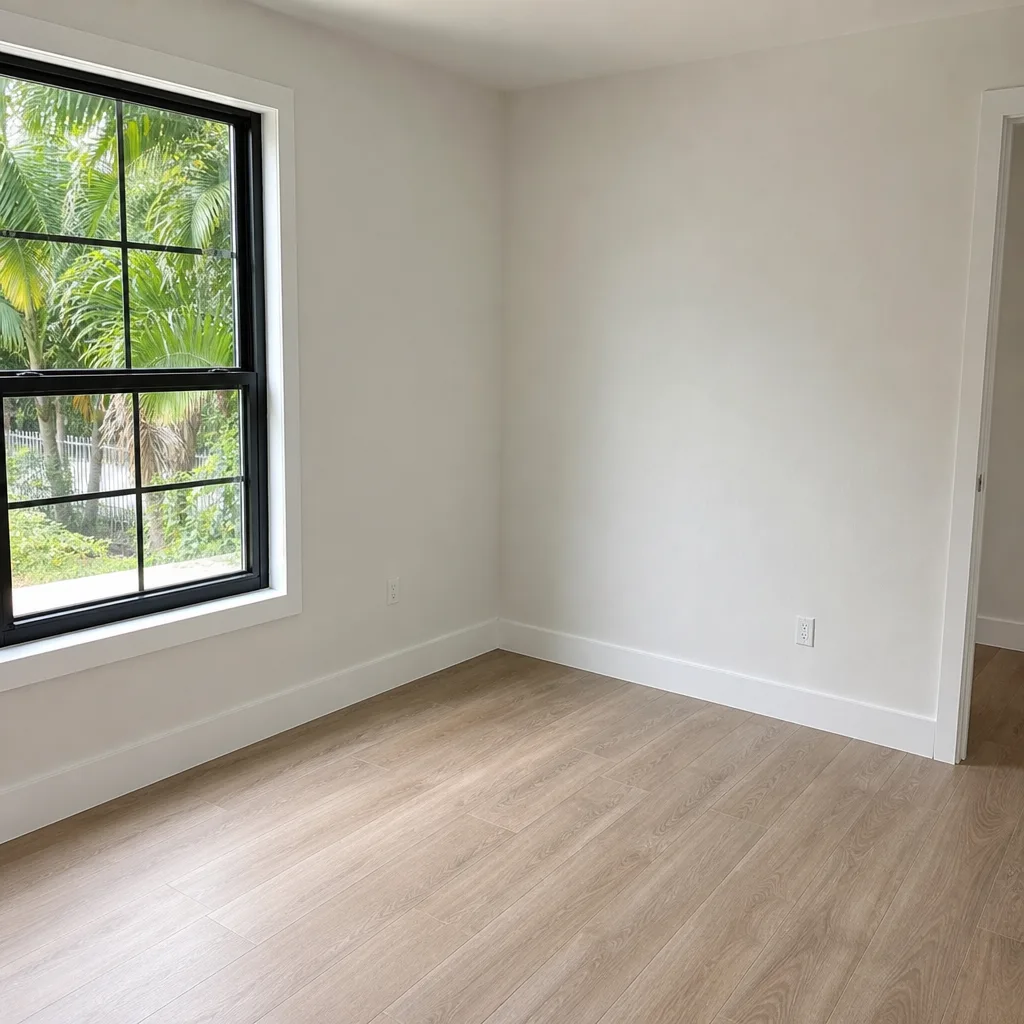 After
After