
Last updated October 16, 2026
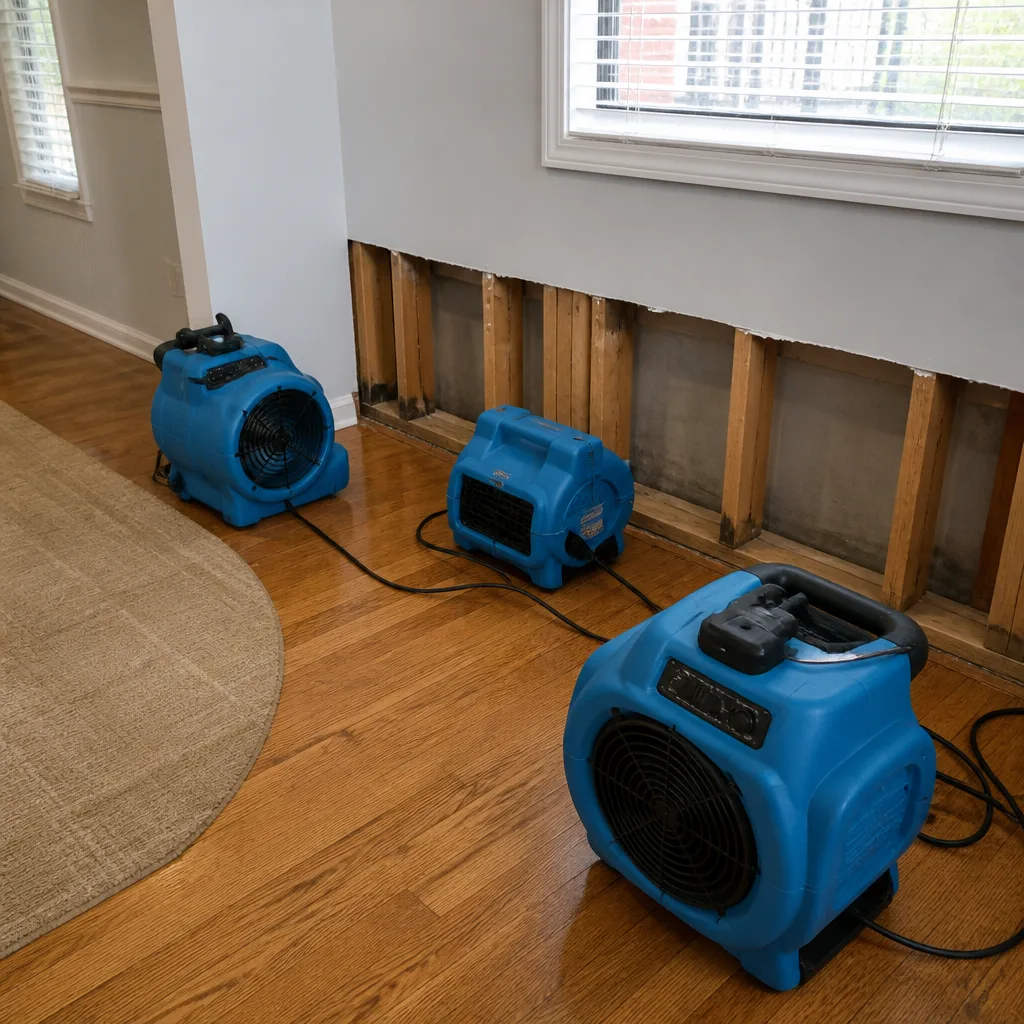 Water damage drying
 Fire & smoke cleanup
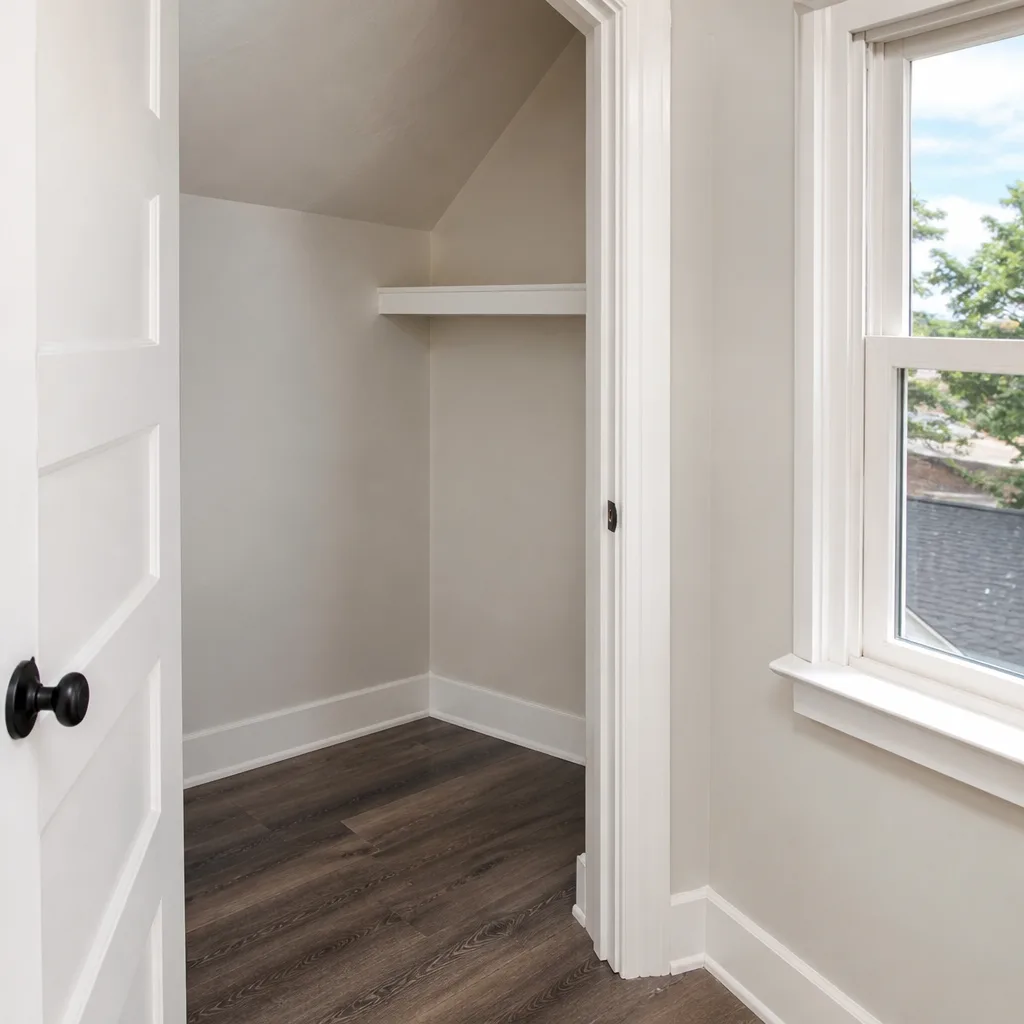 Mold remediation
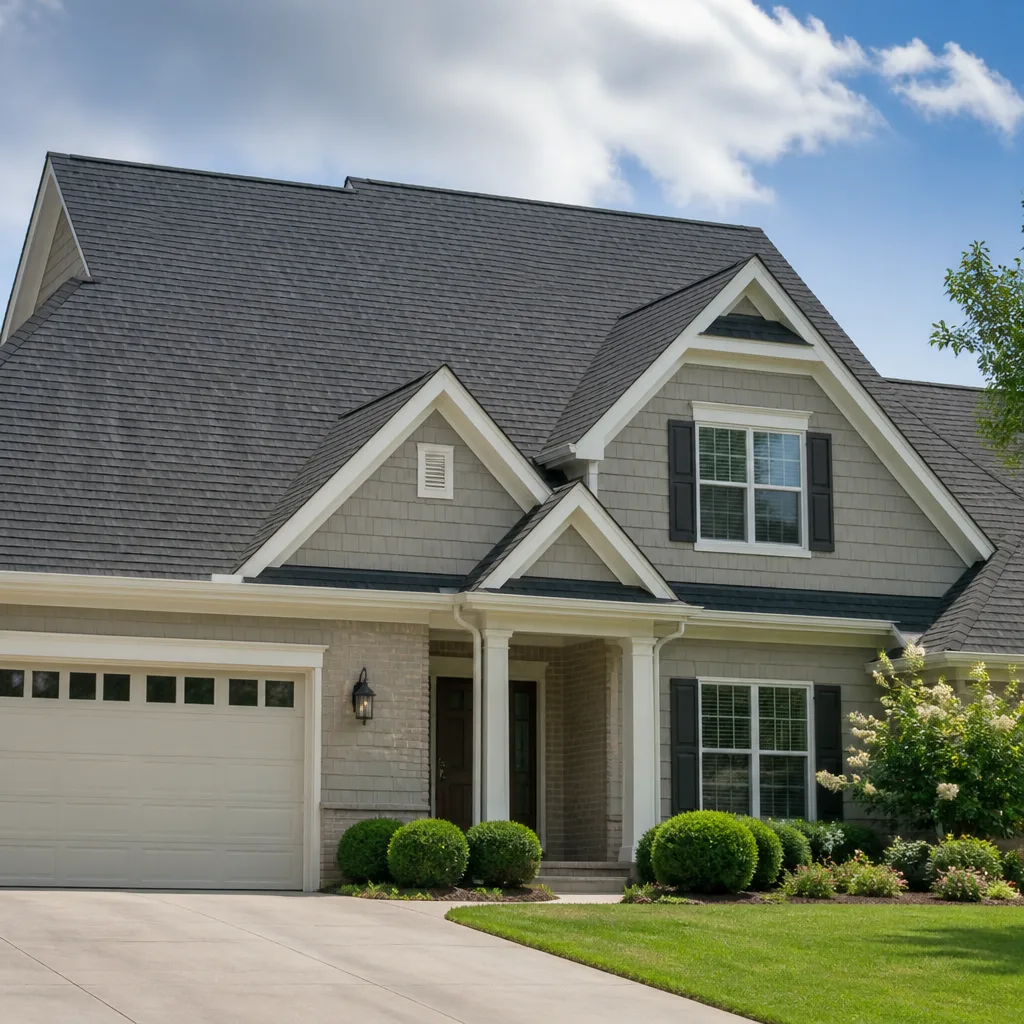 Storm response
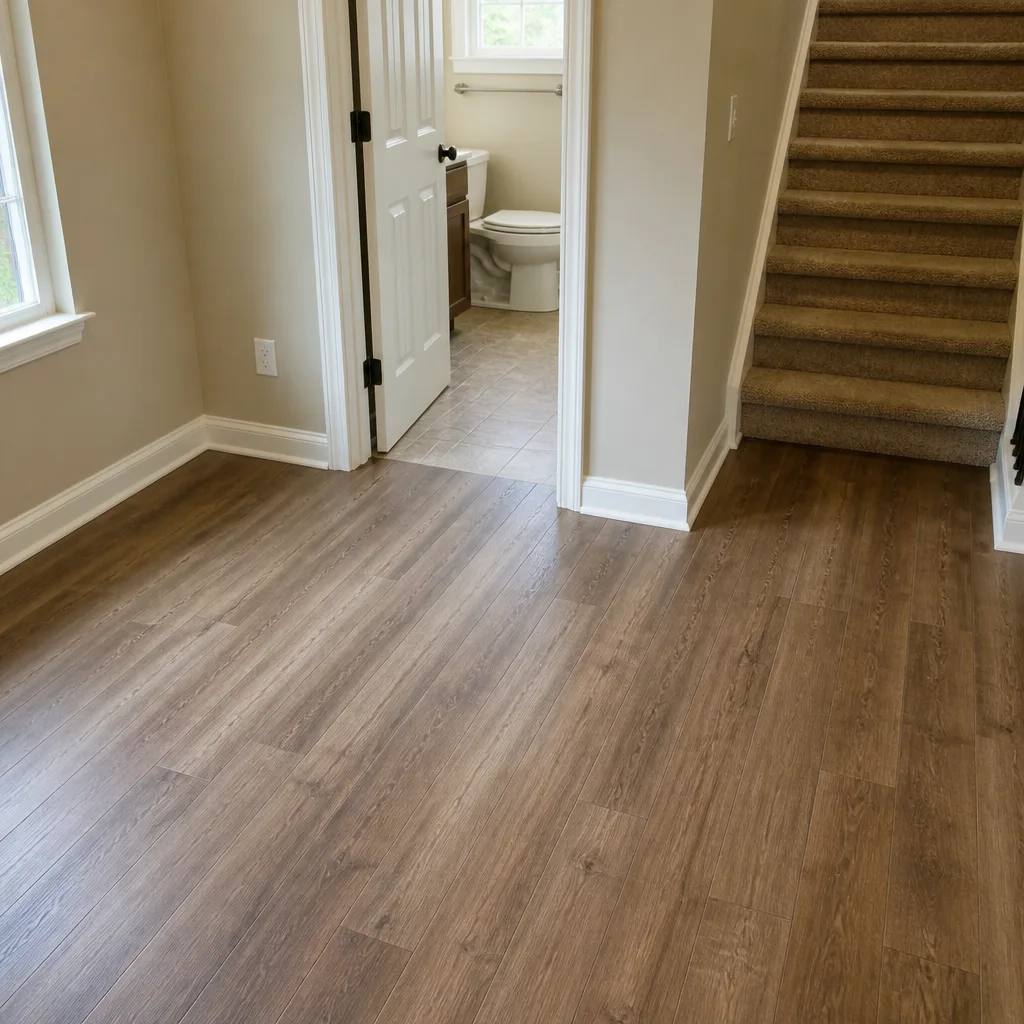 Sewage cleanup
 Reconstruction
Free visual inspection and a written scope of work before any mitigation begins - photos, moisture readings, and drying logs go in your claim file
The scope we write is the scope we bill. Anything new gets shown to you, in writing, before we touch it.
Get your free estimateThe Complete Guide to Damage Restoration in Miami
Miami averages 61.9 inches of rain per year, nearly double the national average, yet most online restoration guides are written for homes that see 30. That gap costs Miami homeowners real money, because drying a house in 74% average relative humidity is a fundamentally different job than drying one in a dry climate. This guide walks through every phase of damage restoration as it actually plays out in Miami: what the humidity does to your timeline, what Florida code requires, what things should cost, and where homeowners get burned. For more guides & resources, explore our blog. By the end, you will know exactly what to expect before the first truck pulls up.
Restoration work we handle
Quick Answer
Damage restoration in Miami follows a five-phase sequence: emergency mitigation, water extraction, structural drying, remediation, and reconstruction. Because Miami’s relative humidity averages 74% year-round, drying timelines run 30 to 50% longer than national industry benchmarks, and that extended timeline drives both cost and scope. The most important decision a Miami homeowner makes is choosing a restoration company that puts a written price in front of you before any work starts, because Florida’s restoration market has a well-known problem with door-price inflation.
Table of Contents
- What Damage Restoration Actually Means in Miami
- How Miami’s Humidity Changes Everything
- The Order of Operations, by Damage Type
- How to Read a Restoration Estimate Line by Line
- Why Your County Permit Matters for Resale
- Salt-Air Corrosion: The Hidden Damage Most Contractors Miss
- What Drying Equipment Should Actually Cost
- Common Mistakes to Avoid
- When to Call a Professional
- Frequently Asked Questions
- The Bottom Line
What Damage Restoration Actually Means in Miami
Damage restoration is the process of returning a home to its pre-loss condition after water, fire, mold, or storm damage. It is not cleaning, and it is not cosmetic repair. Restoration means removing the wet material, drying the structure to a measurable standard, treating contamination, and rebuilding what was removed. In Miami, that process is governed by Florida Statute 489, which defines which parts of the work must be performed by a licensed contractor, and by the IICRC S500 and S520 standards, which set the benchmarks for water and mold restoration that most insurance carriers and courts recognize.
The word “restoration” gets used loosely in this market. A company that shows up with a shop vac and a fan is not doing restoration. In our experience across Miami, real restoration involves psychrometrics, which is the science of how moisture moves through air and materials. A technician takes readings of relative humidity (RH) inside wall cavities and compares them against the RH in the room. The structure is dry when the internal readings match the ambient baseline, not when the surface feels dry to the touch. That distinction matters, because Miami’s ambient humidity is already high, which means the drying target is higher than in most of the country, which means the job takes longer. More on that in the next section.
For a full breakdown of the water-specific process, see our Water Damage Restoration in Miami guide.
How Miami’s Humidity Changes Everything
National restoration training materials are built around ambient conditions that assume 30 to 50% relative humidity. Miami’s average relative humidity is 74%, and in the summer months it sits above 80% for days at a time. That is not a small adjustment. The rate at which a wet wall dries depends on the vapor pressure differential between the wet material and the air around it. When the air is already saturated, water moves out of the material more slowly. A wall cavity that might dry in three days in a Colorado home can take five to seven in Miami, even with professional equipment running.
This has real financial consequences. Restoration companies charge per day of drying, because the equipment rental, the technician visits, and the energy costs all continue until the moisture readings hit the target. A longer timeline means a higher bill. Homeowners who understand this are better positioned to evaluate an estimate and spot damage restoration warning signs. If a company quotes a three-day drying plan in Miami in August, ask them how they will hit that target given the ambient RH. We run into this conversation constantly, and the companies that have a real answer are the ones with dehumidification capacity measured in pints per day, not fan count.
The practical takeaway: when comparing quotes for Miami water damage, do not compare day counts alone. Compare the equipment list per day. A plan that runs five days with two dehumidifiers may cost the same as a plan that runs three days with six dehumidifiers, and the drier plan is usually the longer one. Speed is not your friend here; moisture removal is.
Miami’s climate also introduces a secondary risk during the drying phase: secondary mold colonization. Mold spores activate in materials that stay above 60% RH for more than 48 to 72 hours. In Miami’s air, that threshold is crossed almost immediately after a water event. Any restoration plan written for Miami should include an antimicrobial treatment step, applied to the affected framing before the drywall closes back up. If your estimate does not include it, ask why. The answer will tell you a lot about the company. For more on the mold risk specifically, read our Mold Remediation in Miami guide.
The Order of Operations, by Damage Type
Not all damage is treated the same sequence. Here is the order we use for each of the three most common Miami scenarios. Having this in mind before you call a company will help you evaluate whether the crew knows what it is doing.
Storm Damage (Hurricane or Tropical Storm)
- Emergency tarp or board-up. Florida requires a licensed contractor for structural protection work, not just for the repair. This happens first, because further rain on a breached roof multiplies the damage.
- Water extraction. Standing water is removed from floors, carpet, and wall cavities using truck-mounted or portable extraction units.
- Debris removal and safety assessment. Loose ceiling sections, compromised framing, and electrical hazards are identified before anyone works inside.
- Structural drying with dehumidification. Given Miami’s humidity, this is typically a 5 to 10 day phase for storm damage where walls were saturated.
- Antimicrobial treatment and mold prevention. Required before reconstruction in Miami, not optional.
- Reconstruction. Drywall, insulation, flooring, and paint. This phase is scoped, written, and priced like a remodel, not a same-day dispatch.
Plumbing Damage (Burst Pipe, Water Heater, Supply Line)
- Source isolation. The water is shut off at the fixture or the main. If you do not know where your main shutoff is, find it before an emergency, not during.
- Extraction and removal of wet materials. Carpet pad is removed and discarded; drywall is cut to the flood line or to the moisture reading, whichever is higher.
- Applied structural drying. Injectidry systems and axial air movers are placed inside wall cavities to dry framing that is not removed.
- Moisture monitoring. Daily readings and mapping until the structure reaches the drying standard.
- Repair and refinish. See the estimate section for what these line items should cost in Miami.
Sewage Damage (Backup or Overflow)
- Containment. The affected area is sealed to prevent cross-contamination. Category 3 water requires full PPE and containment under IICRC standards.
- Extraction and disposal. All porous materials that touched sewage, including carpet, pad, baseboard, and drywall up to the water line plus 24 inches, are cut and bagged.
- Disinfection. A licensed restoration contractor applies EPA-registered disinfectant to all exposed framing and subfloor. This is a Florida code requirement for Category 3 jobs.
- Drying and clearance testing. The structure is dried, and post-remediation verification confirms the area is safe to rebuild.
- Reconstruction. All new materials. Sewage jobs have the highest reconstruction-to-mitigation cost ratio of any restoration category.
One note about timing: the mitigation phases above are urgent. The reconstruction phases are not. A company that pushes you to sign a reconstruction contract on day one, before the structure is dry, is not following the sequence. In Miami, we have seen homeowners sign a combined contract and then discover they are locked into reconstruction pricing they never fully understood. The written price should come before any work starts, on both phases, but the reconstruction scope cannot be written accurately until the drying is done.
How to Read a Restoration Estimate Line by Line
Most Miami homeowners never learn to read a restoration estimate, and that is the precise reason price inflation survives in this market. Here is a line-by-line explanation of the most common items, what they mean in plain English, and what they should cost in Miami in 2026. For a deeper dive, see our Damage Restoration Cost Breakdown: The Miami Homeowner’s Reference for 2026. These are market ranges that reflect our own pricing structure and the competitive landscape in Miami-Dade and Broward counties.
| Line Item | What It Actually Means | Miami 2026 Market Range |
|---|---|---|
| Emergency Extraction | Removal of standing water with a truck-mounted or portable extractor. Should be billable per square foot or per hour. | $300 to $700 per area, depending on water volume |
| Applied Structural Drying | Per-day charge for air movers, dehumidifiers, and the technician time to place and monitor them. Not a one-time fee. | $75 to $150 per day per room affected |
| Antimicrobial Treatment | Application of an EPA-registered product to framing and cavities to prevent mold. Required in Miami’s humidity. | $150 to $400 per affected room |
| Demolition and Debris Removal | Cutting out wet drywall, pulling carpet and pad, bagging and hauling. Should be itemized by room. | $400 to $900 per room, depending on volume |
| Mold Remediation (per square foot of affected area) | Containment, HEPA vacuuming, removal, and cleaning of mold-affected materials. | $10 to $25 per square foot in Miami, with kitchen and bath typically higher |
| Reconstruction / Rebuild | New drywall, tape, texture, paint, trim, and flooring. Priced like a remodel. | $4,500 to $12,000 per room for full reconstruction in Miami’s 2026 market |
Read the estimate for what is missing as much as what is present. A Miami estimate that does not include antimicrobial treatment or daily drying charges is not complete, and the price will surface later as a change order. A company that provides a written price before work starts, as we do at Dryden Restoration Miami, gives you a document you can hold up against the final invoice. If the numbers change at the door, that is a red flag. For our full process, see Dryden Restoration Miami home.
Why Your County Permit Matters for Resale
Miami-Dade County requires a permit for most structural restoration work, including drywall replacement of more than one wall, electrical repairs, and any modification to the building envelope. Broward County has similar requirements. The permit is not paperwork. It is a legal record that the work was inspected and meets the Florida Building Code, which is one of the strictest in the country because of hurricane standards. Learn more in our guide to damage restoration permits, codes & inspections in FL.
Where this becomes a resale problem: when a homeowner skips the permit, the work is unpermitted. On sale, the buyer’s inspector will flag the discrepancy, the appraiser may not count the repaired area as finished square footage, and the seller is forced to choose between a permit retrofit, which is expensive, or a price concession, which is worse. We have seen Miami homeowners lose $10,000 to $30,000 in sale value over an unpermitted restoration that would have cost $400 to permit at the time.
The restoration contractor should pull the permit, not you. If a company tells you a permit is not needed for work that clearly involves structural changes, get a second opinion. The cost of the permit is a line item on the estimate, and the inspection is scheduled after the reconstruction passes code. It protects you, and it protects the next owner.
Salt-Air Corrosion: The Hidden Damage Most Contractors Miss
Miami is a coastal city in a way most home restoration guides forget. The same saltwater humidity that rusts beach chairs and car undercarriages also accelerates corrosion inside wall cavities after a water event. When water enters a wall, it carries dissolved salts from drywall, concrete, and the salty Miami air itself. Those salts remain after the water evaporates, and they act as a corrosion accelerant on metal framing, electrical connections, and plumbing fittings.
We see this most often in Miami homes within a few miles of the coast, where the ambient salt load is highest. Corrosion begins in days, not weeks. A metal electrical box that gets wet on Monday can show surface rust by Friday. Fittings that would last thirty years in a dry city may fail in five after one unaddressed water event.
The inspection step most contractors skip is the one that finds this: after the drying is complete, a proper restoration technician opens an inspection port or removes a small section of drywall and checks the condition of the electrical boxes, the wire connections, and any metal strapping or fasteners inside the wall. If corrosion is present, the components are replaced or treated. This step is not line-itemed on a standard estimate, and many crews begin hanging drywall the moment the moisture readings clear. Ask your restoration company whether they inspect for salt-air corrosion before reconstruction. The answer will tell you whether you are working with a crew that understands Miami or one that is running a national playbook.
What Drying Equipment Should Actually Cost
Professional drying equipment is what separates restoration from a homeowner with a fan. The machines we run are Dri-Eaz dehumidifiers, Phoenix air movers, and XPOWER axial fans, with Injectidry systems for wall cavities when the drywall is being saved. These are the same machines used on large commercial jobs, and they are rated in pints per day, not in fan size. A single Dri-Eaz dehumidifier can pull 70 to 130 pints of water out of the air per day. That capacity is what makes structural drying possible in Miami’s humidity.
What should you pay for this equipment? The per-day rates we listed above, $75 to $150 per room, include the machines, the technician’s daily visit to monitor, and the energy cost. A room with three air movers and one dehumidifier should cost on the lower end of that range. A room with six air movers and two dehumidifiers should cost the higher end. If a company quotes below $50 per room per day in Miami, they are either running residential-grade equipment or they are understaffing the job, which will extend the timeline and cost you more in the long run.
One more number that matters: the drying standard. The IICRC S500 defines a structure as dry when the moisture content of the wood framing is below 16% and the wall cavity RH matches the ambient RH. In Miami, that ambient number is often 65 to 75%, which is why the target is higher here than in a city like Denver. A company that does not give you moisture readings during and after the job is not doing the job. Those readings are your proof that the structure is dry, and they are what you will need if you ever file an insurance claim on the same property again.
Common Mistakes to Avoid
- Waiting to call because the water “doesn’t look that bad.” In Miami’s humidity, mold colonization begins within 48 hours of a water event. By the time the stain looks significant, the structure has been wet long enough to require full remediation.
- Hiring a company that does not give a written price before starting. The number quoted over the phone is not the number that matters. A written scope and price, signed before tools come out, is the single best protection against door-price inflation.
- Accepting a three-day drying timeline in August without question. Miami’s summer RH makes three-day drying structurally impossible for saturated walls. A shorter timeline means either a wet structure or a company that will leave and blame the humidity.
- Skipping the antimicrobial treatment to save money. It is a $150 to $400 line item that prevents a $3,000 mold remediation down the road. In Miami, this is not optional.
- Reconstructing before the moisture readings clear. Drywall hung over a framing cavity that is still at 20% moisture content will mold from the inside out, and no paint will stop it.
- Signing a combined mitigation and reconstruction contract on day one. The reconstruction scope cannot be accurately written until the drying is done. Separate contracts protect you.
- Not checking for salt-air corrosion before reconstruction. This is a Miami-specific step that national crews often skip, and it can leave corroded electrical connections hidden behind new drywall.
When to Call a Professional
Call a professional restoration company the moment the water event involves more than what a towel can absorb. That means a burst pipe, a water heater failure, a roof leak that soaked into the ceiling, any sewage backup, any fire or smoke event, or visible mold growth larger than a dinner plate. In Miami, the 48-hour mold window is not a guideline; it is the timeline for whether the job remains a mitigation or becomes a remediation. Dryden Restoration Miami offers free estimates in Miami, call (850) 533-8588, and a live person answers every call, 24 hours a day, 7 days a week. We show up in a named window, we put a written price in front of you before any work starts, and the 365-Day Done Right Promise means that if a covered repair fails within a year, we come back and correct it at no additional cost.
Frequently Asked Questions
Water damage restoration in Miami typically costs between $1,800 and $7,000 for the mitigation phase, depending on how many rooms are affected and how long the drying runs. A single room with a supply line leak usually lands between $1,500 and $3,500 for extraction, drying, and antimicrobial treatment. Reconstruction is additional, and in Miami it runs $4,500 to $12,000 per room. Call (850) 533-8588 to get a written price based on your actual scope; estimates are free.
Structural drying in Miami takes 4 to 7 days on average for a standard room, compared to 2 to 3 days in drier climates, because the city’s 74% average relative humidity slows the rate at which water moves from materials into the air. The drying process is complete when moisture readings on the framing drop below 16% and the wall cavity RH matches the ambient room RH, not when the surface feels dry. Call us if you want to understand the drying timeline for your specific situation.
Most homeowners insurance policies in Florida cover water damage from sudden, accidental events like burst pipes and storm damage, but they typically exclude long-term leaks and gradual seepage, and standard policies rarely cover flood damage from rising water, which requires a separate flood policy through the NFIP or a private carrier. We document every phase with photos and moisture readings, and we coordinate directly with your adjuster so the claim file has what it needs. Call us if you want help understanding what your policy covers before you file.
If the visible mold is limited to a small patch on a non-porous surface like tile, a cleaning may be sufficient, but if it is growing on drywall, in the wall cavity, or covers more than about 10 square feet, remediation is required under IICRC S520 standards and Florida best practice. In Miami’s climate, a surface cleaning that leaves mold inside the drywall will not solve the problem; it will return within weeks. A professional assessment with a moisture meter is the only way to know which situation you have.
The 365-Day Done Right Promise is our written guarantee that if any covered repair fails within one full year, Dryden Restoration Miami returns and corrects it at no additional cost. It covers the materials and workmanship on the restoration work we performed, not damage from a new event. The guarantee is documented in writing on every job, never verbal. If something goes wrong inside the guarantee period, you call us and we schedule the return visit, no charge.
Dryden Restoration Miami offers live-answer phone support 24 hours a day, 7 days a week, and for water, sewage, or storm mitigation we dispatch to Miami addresses the same day you call in most cases. You will get a named arrival window, and a uniformed, background-checked technician arrives at that time. We do not use after-hours answering services. Call (850) 533-8588 and a real person answers.
The Bottom Line
Miami is not a dry-climate city, and restoration advice written for one will cost you money here. The humidity extends drying timelines, the salt air corrodes hidden materials, the permits protect your resale value, and the difference between a good outcome and a two-year headache comes down to who you hire and what they put in writing. Look for a company that gives you a written price before any work starts, a written guarantee on every repair, and moisture readings you can see. Dryden Restoration Miami has been doing exactly that in Miami since 2005, with the 365-Day Done Right Promise and live-answer calls 24 hours a day. If you are staring at water damage, mold, or fire damage right now, call (850) 533-8588 and talk to a person who can get to you today.
Written by Carl Brandt, Owner at Dryden Restoration Miami, serving Miami since 2005.
See the difference
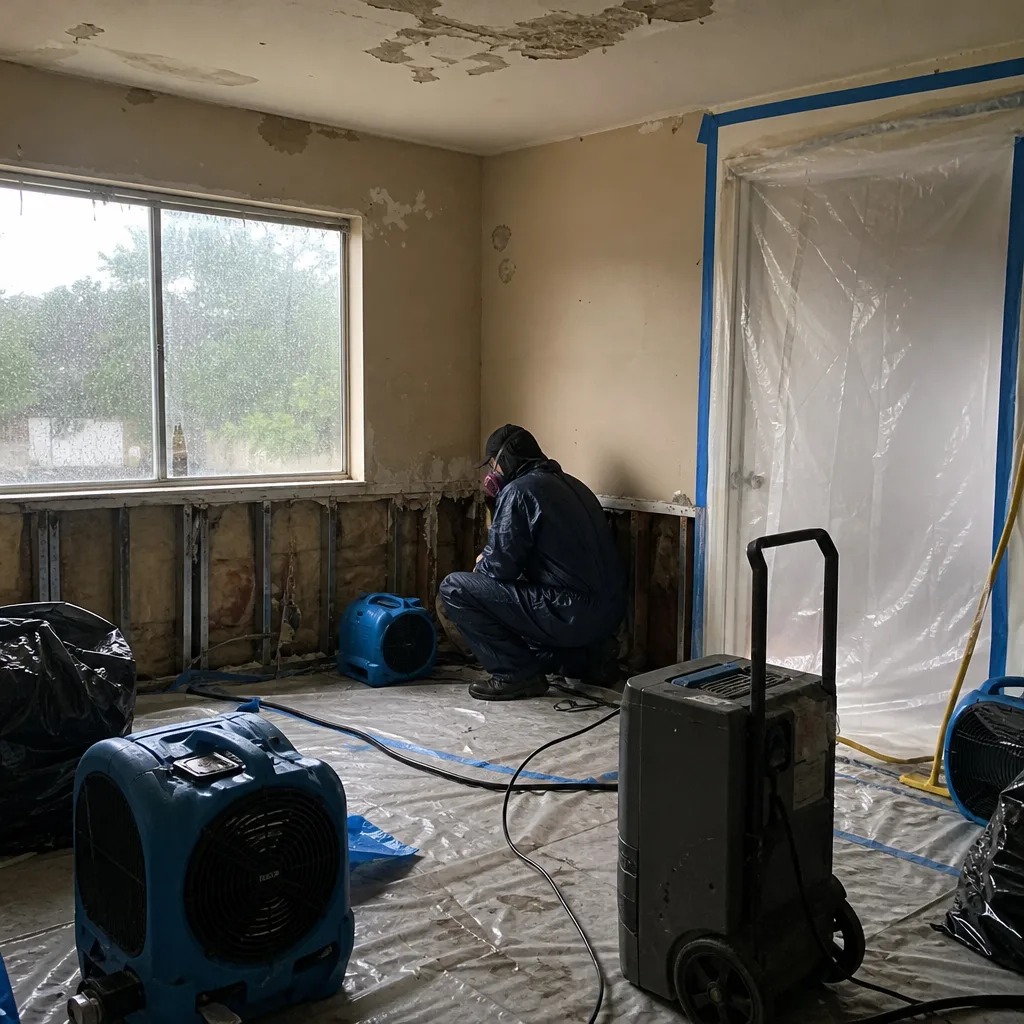 Before
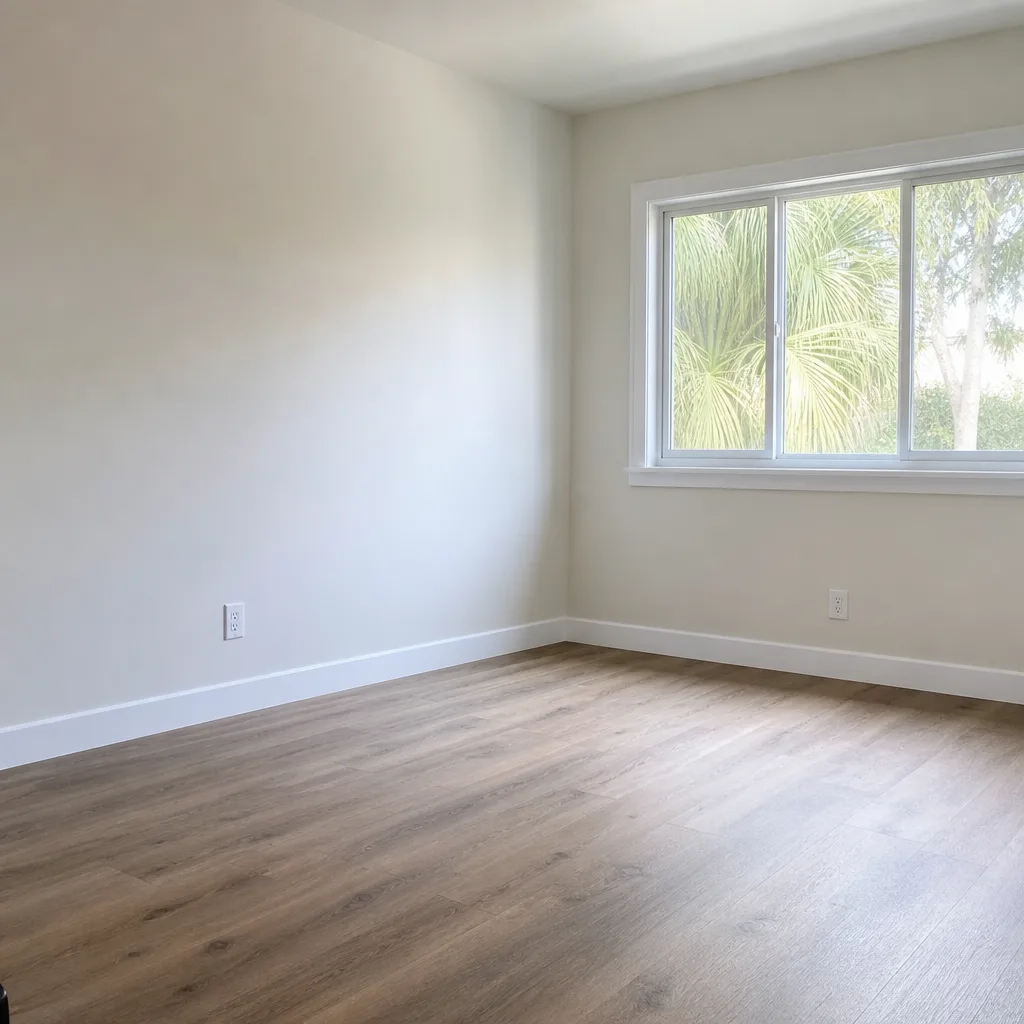 After
After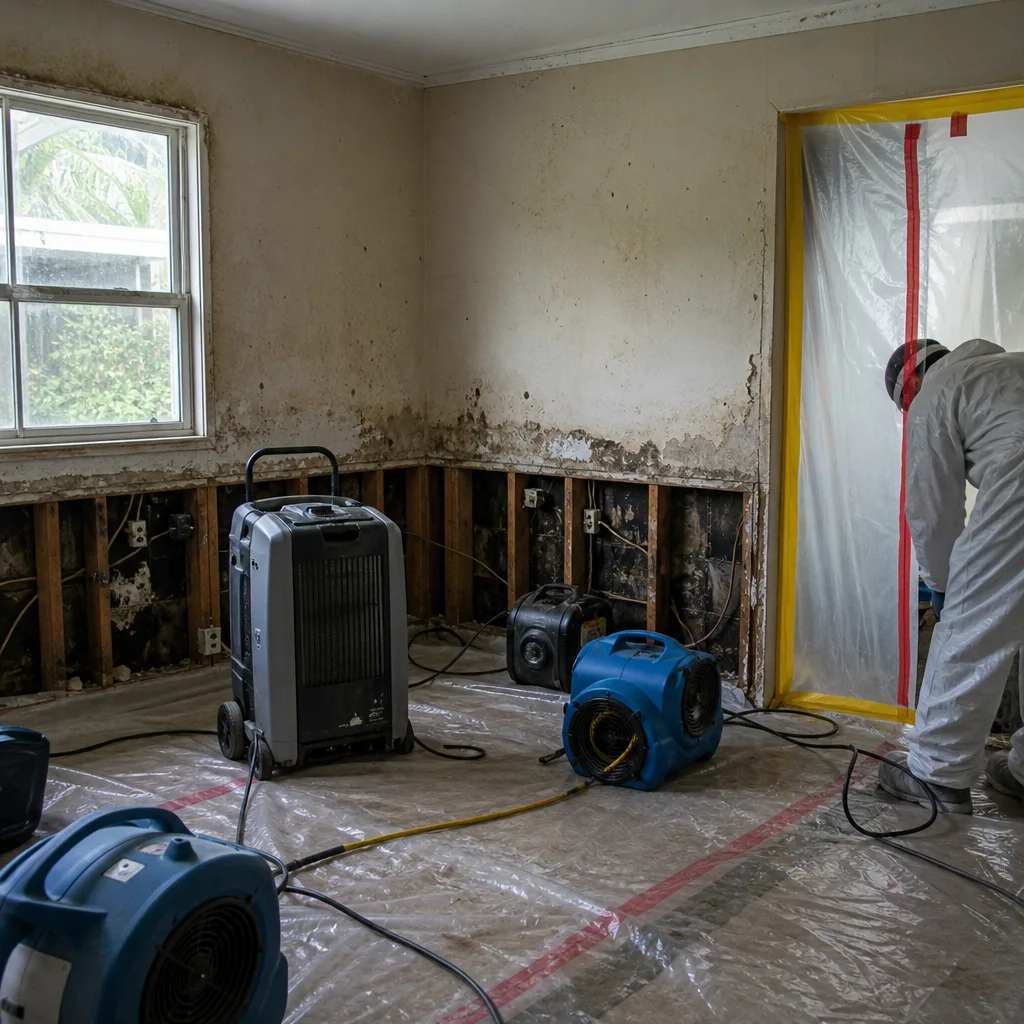 Before
 After
After Before
 After
After