
Last updated October 16, 2026
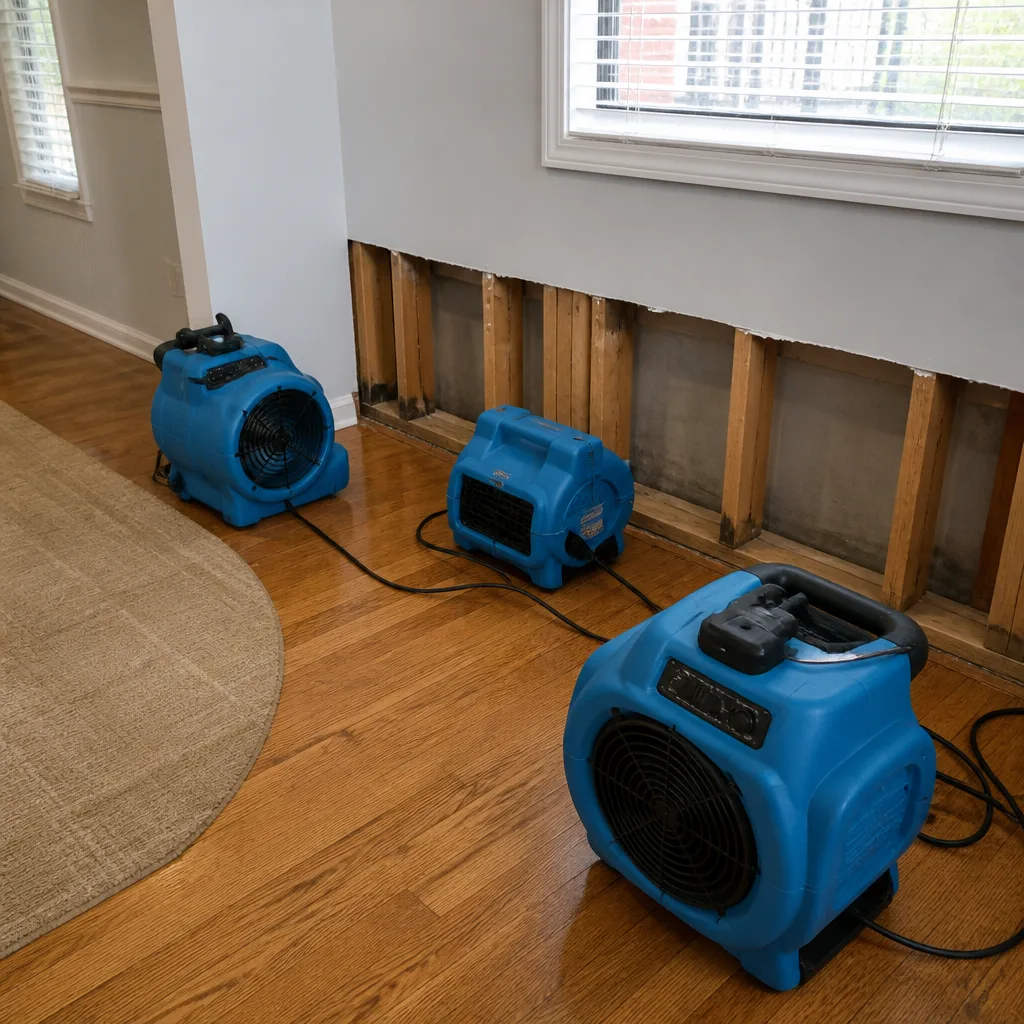 Water damage drying
 Fire & smoke cleanup
 Mold remediation
 Storm response
 Sewage cleanup
 Reconstruction
Free visual inspection and a written scope of work before any mitigation begins - photos, moisture readings, and drying logs go in your claim file
The scope we write is the scope we bill. Anything new gets shown to you, in writing, before we touch it.
Get your free estimateHow to Hire a Damage Restoration Contractor in Miami: A Step-by-Step Guide
After Hurricane Irma tore through South Florida, the state’s Department of Business and Professional Regulation was buried under thousands of complaints about unlicensed contractors. Many had taken deposits and vanished. Others did work so poorly that mold set in before the paint dried. The uncomfortable truth about the Miami restoration market is that the worst operators surface exactly when you’re most desperate to hire someone fast. Our Complete Guide to Damage Restoration in Miami walks you through a specific vetting process that takes less than an hour but can save you from a six-figure mistake. You’ll learn how to check a license in two minutes, which four contract clauses actually protect you, and what to say when a contractor slides an assignment-of-benefits form across your kitchen table.
Restoration work we handle
Quick Answer
To hire a damage restoration contractor in Miami, first verify their Florida state license through the DBPR online portal, then confirm they carry IICRC-aligned training and general liability insurance, as outlined in our Water Damage Restoration Maintenance Checklist for Miami Homeowners. Get a written, itemized estimate before any work begins, refuse any assignment-of-benefits agreement, and ask specific questions about drying equipment capacity and moisture logging. Companies like Dryden Restoration Miami, serving the area since 2005, put pricing and a 365-day guarantee in writing before a tool is touched.
Table of Contents
- Step 1: Verify the Florida Contractor License (Two Minutes, No Exceptions)
- Step 2: Understand What ‘IICRC Certified’ Actually Means (And What It Doesn’t)
- Step 3: Demand Four Specific Contract Clauses Before Signing
- Step 4: Know Why Assignment-of-Benefits Agreements Are a Trap
- Step 5: Ask Equipment Questions That Separate Pros from Pretenders
- Step 6: Spot the Post-Storm Red Flags in Miami
- Step 7: Navigate Insurance Without Losing Control of the Claim
- Common Mistakes to Avoid
- When to Call a Professional
- Frequently Asked Questions
- The Bottom Line
Step 1: Verify the Florida Contractor License (Two Minutes, No Exceptions)
Florida requires a state-issued contractor’s license for anyone performing structural restoration, water extraction, or mold remediation above a certain scope. In Miami, where humidity accelerates secondary damage, unlicensed operators are a persistent problem, particularly in the weeks after a storm pushes demand past what legitimate crews can handle. Verifying a license is not optional paperwork. It’s the single fastest filter for separating a real restoration company from someone with a truck and a wet-vac.
Here’s the process, step by step:
- Go to the Florida Department of Business and Professional Regulation (DBPR) website and click “Verify a License.”
- Enter the contractor’s name or license number. Ask the contractor for their license number directly, if you don’t have it, you should be able to find it on their website, business card, or vehicle.
- Confirm the license type matches the work being proposed. A general contractor license is not the same as a mold remediation license or a specialty roofing license. Florida has distinct categories for a reason.
- Check the license status. It should say “Active.” If it says “Inactive,” “Suspended,” “Revoked,” or “Delinquent,” walk away.
- Look at the complaint history. The DBPR portal shows disciplinary actions. A single complaint from 2012 is not automatically disqualifying, but a pattern of unresolved issues is.
The whole process takes under two minutes on a phone. We’ve walked homeowners through this while they stand in their own soaked living room. It’s time well spent, because the alternative is discovering after the fact that the person who tore out your drywall was never legally allowed to touch it. Dryden Restoration Miami is part of the Kingswell family of independently owned restoration businesses, and our technicians work to IICRC, RIA, and IFA standards, which is the training baseline that reputable Miami companies should be able to name without hesitation.
Step 2: Understand What ‘IICRC Certified’ Actually Means (And What It Doesn’t)
The IICRC, or Institute of Inspection, Cleaning, and Restoration Certification, sets the closest thing this industry has to a national training benchmark. When a Miami restoration company says its technicians are IICRC-certified, it means they’ve completed coursework and passed exams on water damage restoration, applied structural drying, or mold remediation. RIA (Restoration Industry Association) and IFA (International Fireproofing Association) credentials carry similar weight in their respective niches.
Here’s what IICRC certification does not mean, and this is where Miami homeowners get burned: it does not guarantee the company is licensed by the state, insured, or bonded. A technician can hold an IICRC card while working for an unlicensed outfit that has no general liability coverage. Certification is a training signal, not a business-legitimacy signal. You need both.
When you call a restoration company in Miami, ask two direct questions: “Are your technicians IICRC-certified?” and “What is your Florida contractor license number?” A legitimate company answers both without pausing. The ones that deflect, or say they’re “certified by experience,” are telling you something important about how they’ll handle the rest of the job.
Also ask what the certification covers. Water damage restoration is different from fire and smoke restoration, which is different from mold remediation. The company that dried out your neighbor’s house after a supply line burst is not necessarily equipped to handle a kitchen fire. Our work at Dryden Restoration Miami covers water damage restoration in Miami, mold remediation, and fire damage restoration, each with protocols specific to the type of damage.
Step 3: Demand Four Specific Contract Clauses Before Signing
After a pipe bursts or a storm rolls through, the instinct is to sign whatever gets a crew to your house fastest. Contractors know this. The ones worth hiring in Miami are the ones who put everything in writing before you commit. Here are the four clauses that actually protect you, and what each one should look like in plain language.
1. Written Scope of Work
This is a document that lists exactly what will be done: which rooms are affected, what gets removed, what gets dried, what gets replaced, and what gets cleaned. “Restore living room and hallway” is not a scope. “Remove and dispose of carpet and pad in living room (approx. 240 sq ft), remove baseboards along north and east walls, extract standing water, set drying equipment, monitor until moisture readings reach dry standard” is a scope. Specificity protects both parties. Dryden Restoration Miami provides a written price before any work starts, a practice that fields its own share of referrals from homeowners who were quoted one number by another company and handed a different one at the door.
2. Itemized Pricing Before Work Begins
An estimate that reads “materials and labor: $14,500” tells you nothing. A real estimate breaks down equipment days, labor hours, materials by category, and disposal fees. Itemization makes price-gouging obvious. It also gives you a document to hand to your insurance adjuster, which matters more than most homeowners realize. When every dehumidifier day is a line item, the insurer’s pushback shrinks.
3. A Defined Completion Window
The contract should state when the crew arrives, how long drying is expected to take, and when remediation or rebuild work is scheduled to finish. Miami’s humidity makes drying windows longer than they are in, say, Phoenix or Las Vegas. Professional-grade equipment speeds the process, but nobody can promise a dry-out in 24 hours if the structure absorbed water for days before discovery. What you want is a named arrival window, not “sometime Tuesday.” You want a written estimate of drying duration based on the moisture readings taken at inspection, not a guess offered over the phone.
4. A Written Warranty with Specific Coverage Terms
Ask what happens if the repair fails. If the answer is “we’ll come back,” get it in writing with terms. What triggers the free return visit? How long does the warranty last? The Kingswell Guarantee that governs every Dryden Restoration Miami job includes a 365-Day Done Right Promise: if a covered repair fails within a full year, we return and make it right at no charge. That’s a written commitment, not a verbal one. Florida law requires certain written disclosures from contractors, but a warranty with specific coverage terms goes beyond the legal minimum, and it’s what separates a company that stands behind its work from one that disappears after final payment.
Step 4: Know Why Assignment-of-Benefits Agreements Are a Trap
Assignment of benefits, called AOB in the insurance world, is a document that transfers your rights under your insurance policy to a contractor. The contractor then bills your insurer directly, often for an amount far exceeding what you’d have paid out of pocket. Florida saw a decade-long explosion of AOB abuse, particularly in Miami-Dade County, where water damage claims multiplied and insurers responded with rate hikes and restricted coverage.
Here’s what happens when you sign an AOB: the contractor controls your claim. They can file it, negotiate it, and receive payment directly. You lose the ability to fire them without potentially getting sued. You lose visibility into what they’re billing. And if they do substandard work, your insurer may still pay them, leaving you with a damaged house and a spent claim.
If a Miami contractor presents an AOB, here’s what to say: “I’m not signing this. I’ll file the claim myself and hire you directly.” A legitimate restoration company doesn’t need an AOB to do good work. They provide a written estimate, you submit it to your insurer, and payment is handled between you and the contractor. Dryden Restoration Miami works directly with homeowners, not through AOB agreements. We document everything photographically, coordinate with adjusters when asked, and keep the homeowner in control of their own claim from start to finish.
Florida lawmakers restricted AOB agreements in 2019, but some Miami-area contractors still present them, particularly after storms when demand is high and homeowners are distracted. Know what the document is before you sign anything.
Step 5: Ask Equipment Questions That Separate Pros from Pretenders
Underpowered drying is the leading cause of mold callbacks in Miami restoration work. A contractor with two box fans and a hardware-store dehumidifier cannot dry a flooded house in Miami’s humidity. Psychrometric drying, which means drying based on the science of moisture in air and materials, requires commercial-grade equipment sized to the job.
Here are the questions to ask, and the answers you want to hear:
- How many commercial dehumidifiers will be on-site? A 1,200-square-foot home with standing water typically needs at least two or three commercial dehumidifiers, not one. If the number sounds low, ask why.
- What AHAM rating do the dehumidifiers carry? AHAM, the Association of Home Appliance Manufacturers, rates dehumidifier capacity in pints per day. A commercial unit pulls 80 to 130 pints per day. A residential unit pulls 30 to 50. In Miami’s 70% average relative humidity, the difference between these numbers is the difference between a dried structure and a mold farm.
- How often will moisture readings be logged? Professional drying requires daily moisture readings at multiple points in the affected area. The data tells the technician when the structure has reached “dry standard,” the moisture level at which wood and drywall are safe from mold. A company that can’t show you a moisture log during the drying process either doesn’t keep one or doesn’t want you to see it.
- What brands do you run? Dryden Restoration Miami runs Dri-Eaz and Phoenix equipment, both among the most trusted names in commercial restoration. These machines are the same ones used on large commercial losses, not the units sold at home improvement stores. If a contractor’s truck shows up with equipment you recognize from a big-box retailer, the job is under-equipped.
Miami’s climate makes drying harder than most homeowners assume. Six months of the year, the outside air is so humid that opening windows makes water damage worse, not better. Professional drying in Miami means sealing the affected area, running commercial dehumidifiers, and using air movers like XPOWER or B-Air units to push moisture out of building materials. Without that equipment, water that soaked into drywall and baseboards stays there, and mold follows.
Step 6: Spot the Post-Storm Red Flags in Miami
Miami’s restoration market fills up fast after any significant weather event. Legitimate companies are scheduling a week out. Desperate homeowners call whoever answers. And a small number of unlicensed or predatory operators set up shop precisely because they know desperation short-circuits judgment. Here are the warning signs that should send you looking elsewhere.
- Door-to-door solicitation within 48 hours of a storm. Legitimate Miami restoration companies don’t go door-knocking after a hurricane. They’re too busy answering the phones. The person at your door offering a “free inspection” is often an unlicensed operator or a storm chaser who will collect a deposit and disappear. Florida law restricts this kind of solicitation for good reason.
- Requests for full payment upfront. A deposit on materials is normal. Full payment before work begins is not. Florida’s construction lien law sets limits on what contractors can demand upfront. Anyone asking for the entire job cost before a tool is touched is either undercapitalized or planning something.
- Vague estimates that say “materials and labor” with no line items. We covered this in the contract section, but it bears repeating: if the estimate fits on a post-it note, the contractor has given themselves room to inflate the price once the work is underway. Dryden Restoration Miami provides a written price before any work starts, and the number does not change at the door.
- Pressure to sign immediately. A legitimate contractor wants you to feel confident about your decision, not rushed. Anyone who says the price is only good for the next hour is using a sales tactic, not a real deadline.
- No physical address or local phone number. Some storm chasers operate out of trucks with out-of-state plates and burner phones. A Miami restoration company should have a local presence you can verify. Dryden Restoration Miami is an independently owned and operated Kingswell company serving the Miami area since 2005, which means we have a reputation in this community, not a post-office box.
Step 7: Navigate Insurance Without Losing Control of the Claim
Insurance is in the room for almost every Miami restoration job, whether it’s a burst pipe, a dishwasher flood, or storm damage. The way a restoration company handles insurance tells you a lot about how the project will go.
First, understand that your insurance policy reimburses you for covered damage. The restoration company works for you, not for your insurer. That distinction matters when a contractor suggests, even subtly, that they’ll “work with your adjuster” to get the most out of the claim. What that sometimes means is they’ll inflate the scope and hope the insurer doesn’t push back. If the insurer does push back, you’re the one caught in the middle with a half-finished job and a disputed claim.
What you want is a restoration company that documents everything photographically, provides itemized written estimates, and is available to answer adjuster questions without taking control of the process. Dryden Restoration Miami coordinates directly with insurance adjusters when asked, provides photo documentation of all damage and all completed work, and keeps you, the homeowner, as the decision-maker throughout.
Miami homeowners learned hard lessons about insurance during the AOB crisis of the 2010s, and the market is still recovering trust. The safest approach is simple: hire a licensed, insured company, get a written estimate, submit it to your insurer, and don’t sign anything that transfers your rights under the policy to anyone else.
Common Mistakes to Avoid
- Hiring the first company that answers the phone. In a panic, any voice on the line sounds like a lifeline. But the first available contractor in post-storm Miami is often the one no one else wanted to hire. Spend the two minutes checking the license.
- Skipping the written scope of work. “We’ll figure it out as we go” turns into disputes over what was and wasn’t included. A written scope protects both sides and keeps the relationship honest.
- Accepting a verbal guarantee. If the warranty isn’t in writing, it doesn’t exist. The 365-Day Done Right Promise from Dryden Restoration Miami is documented on every job, with specific coverage terms that trigger a free return visit.
- Allowing the contractor to file your insurance claim for you. This is the AOB trap in different clothing. File your own claim, provide your own documentation, and keep control of the process.
- Underestimating the drying requirement in Miami’s humidity. A structure that “feels dry” can still be holding enough moisture to feed mold inside wall cavities. Professional moisture readings, not a hand on the drywall, tell you when the job is done.
- Paying in cash without a receipt. Cash payments without documentation leave no paper trail if something goes wrong. Always get a written receipt, and always pay in a way that can be traced.
- Ignoring the company’s local reputation. A Miami company that has been around since 2005, as part of the Kingswell family, has a track record you can check. A company that appeared last week with a new LLC and no local history does not.
When to Call a Professional
Some water damage is manageable on your own: a small puddle from a spilled glass, a damp spot under a single sink. But the threshold for professional help in Miami is lower than in drier climates. If water has penetrated drywall, baseboards, or flooring, if the affected area is larger than a bathroom floor, or if the water came from a sewage backup or storm surge, you need professional extraction and drying within 24 hours. Mold growth begins in as little as 24 to 48 hours in Miami’s humid conditions, and once it’s inside wall cavities, the remediation cost multiplies. Fire damage almost always requires professional assessment because smoke penetrates surfaces you can’t see and leaves odor that household cleaning can’t remove. Dryden Restoration Miami offers free estimates throughout the Miami area. Call (850) 533-8588 and a live person answers, 24 hours a day, 7 days a week.
Frequently Asked Questions
Water damage restoration in Miami typically costs between $3.50 and $7.00 per square foot for full extraction, drying, and basic repairs, with most residential jobs in the Miami area running $2,500 to $12,000 depending on the category of water, the size of the affected area, and how long the water sat before discovery. Category 3 water, such as sewage, costs more because it requires antimicrobial treatment and more extensive removal. Call (850) 533-8588 for an exact written estimate, which is free.
A reputable Miami restoration company can typically have a crew on-site within hours for water extraction, not days. Dryden Restoration Miami answers every call with a live person, 24/7, and provides a named arrival window before dispatching a crew. In post-storm conditions, arrival may be delayed by demand, which is why having a company’s number before an emergency matters.
Most Florida homeowner’s policies cover sudden and accidental water damage, such as a burst pipe or appliance failure, but not gradual leaks or flood damage, which requires a separate flood policy. Your restoration contractor should provide photo documentation and itemized estimates you can submit to your insurer.
If water sat for more than 24 hours, penetrated porous materials like drywall or carpet pad, or came from a contaminated source, cleaning alone is not enough. Porous materials hold moisture deep inside, and without proper drying, mold grows out of sight. Professional moisture readings determine whether full remediation is required.
You remain the point of contact with your insurer. A good restoration company provides documentation, photos, and answers to adjuster questions, but does not take over the claim. Avoid any contractor who wants to bill your insurer directly through an assignment-of-benefits agreement; it removes you from the process and can leave you liable.
If it’s safe to do so, shut off the water source, remove small items from the affected area, and avoid walking on wet carpet or flooring. Do not use a household vacuum to remove standing water, and do not apply household cleaners to sewage backup. Document everything with your phone camera for your insurer.
The Bottom Line
Hiring a damage restoration contractor in Miami is a sequential process, not a gamble. Verify the Florida license through DBPR. Ask about IICRC, RIA, and IFA training and what it actually covers. Demand a written scope of work, itemized pricing, a defined completion window, and a written warranty with specific terms. Refuse assignment-of-benefits agreements. Ask about dehumidifier capacity and moisture logging. And in post-storm Miami, trust your skepticism when someone solicits you at your door or asks for full payment upfront. A competent, honest restoration company can answer every one of these questions without hesitation. Dryden Restoration Miami provides free estimates, written pricing before any work begins, and a 365-Day Done Right Promise on every job. Call (850) 533-8588 to speak with a live person, any hour, any day.
Written by Carl Brandt, Owner at Dryden Restoration Miami, serving Miami since 2005. For more guides & resources, visit our blog.
See the difference
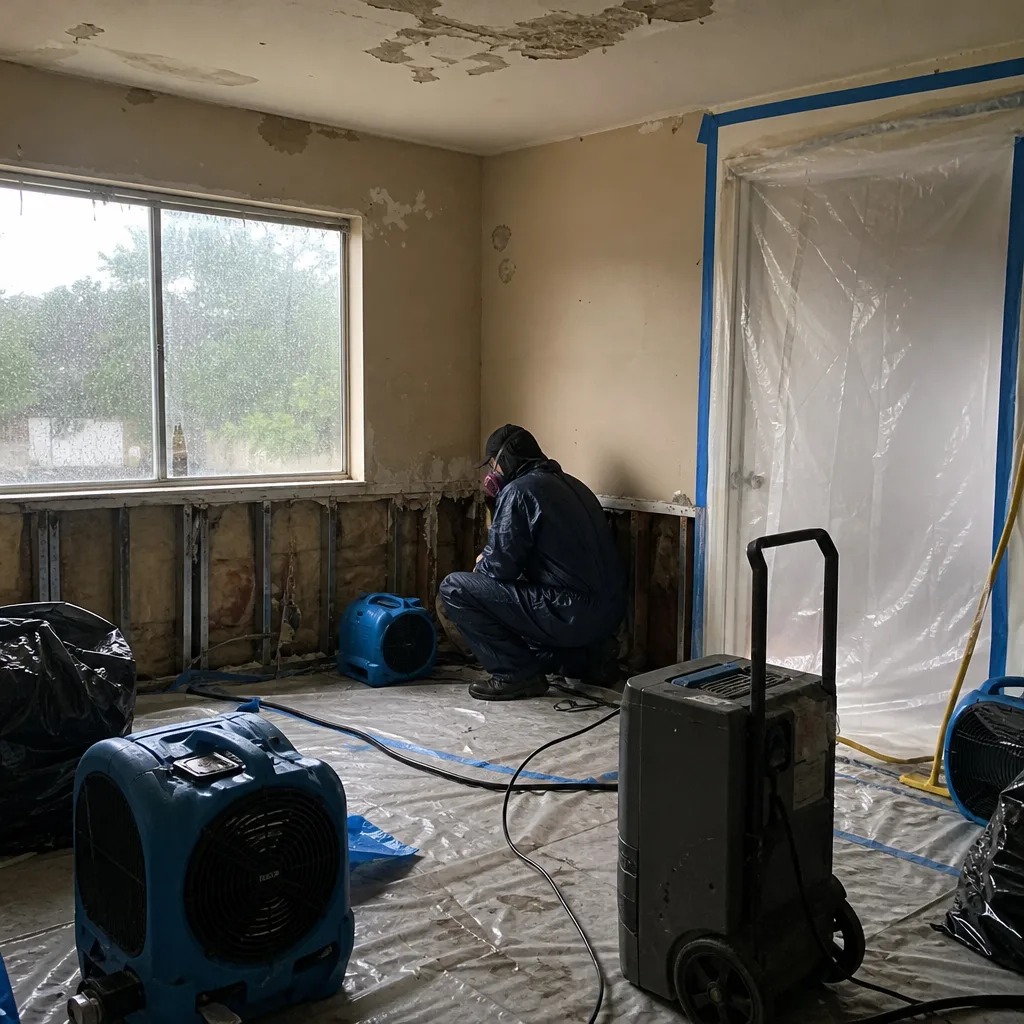 Before
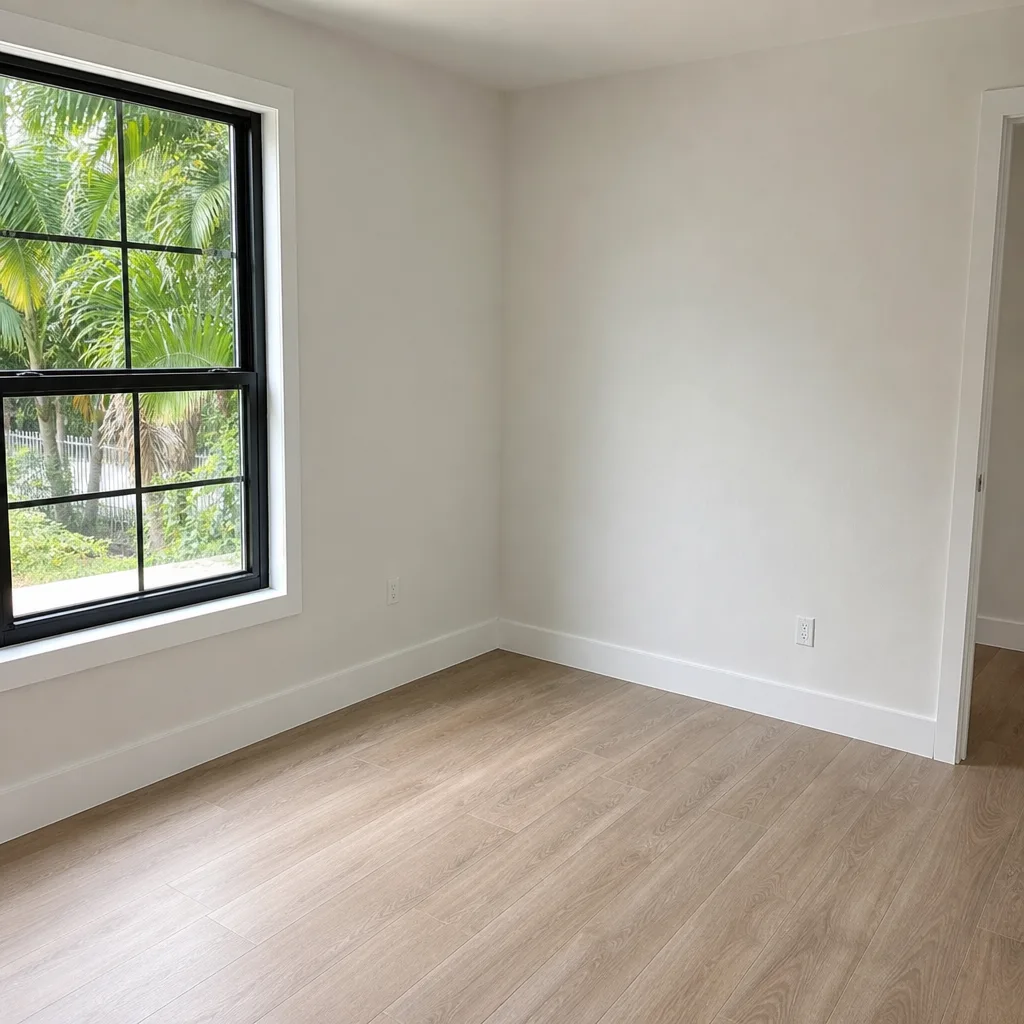
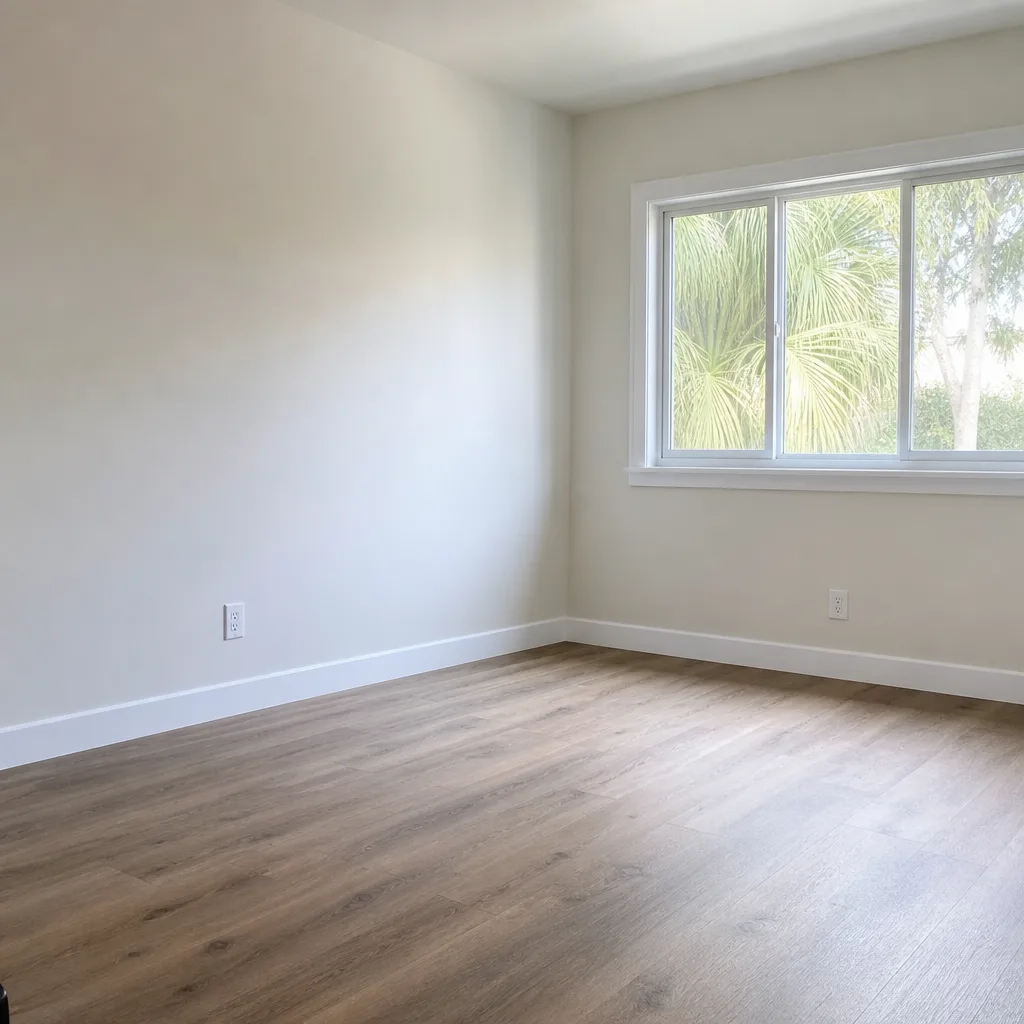 After
After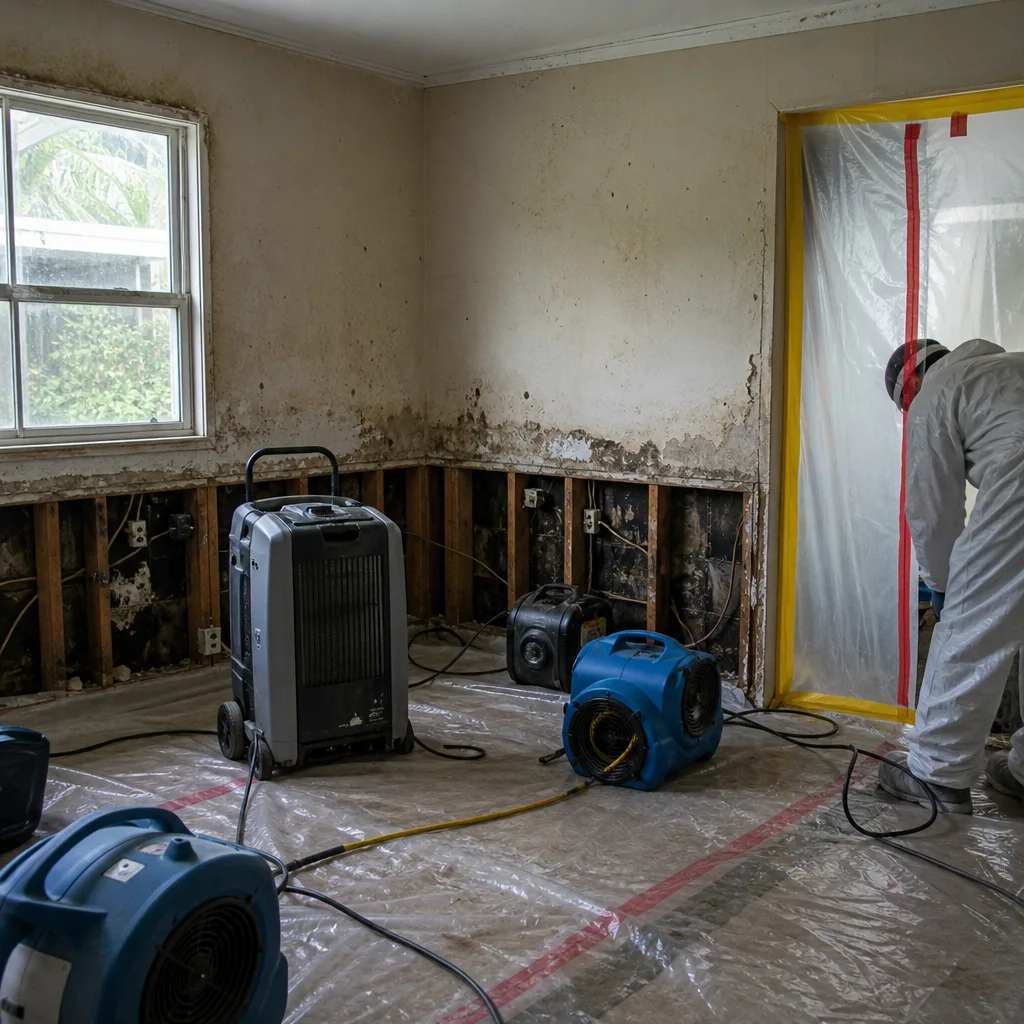 Before
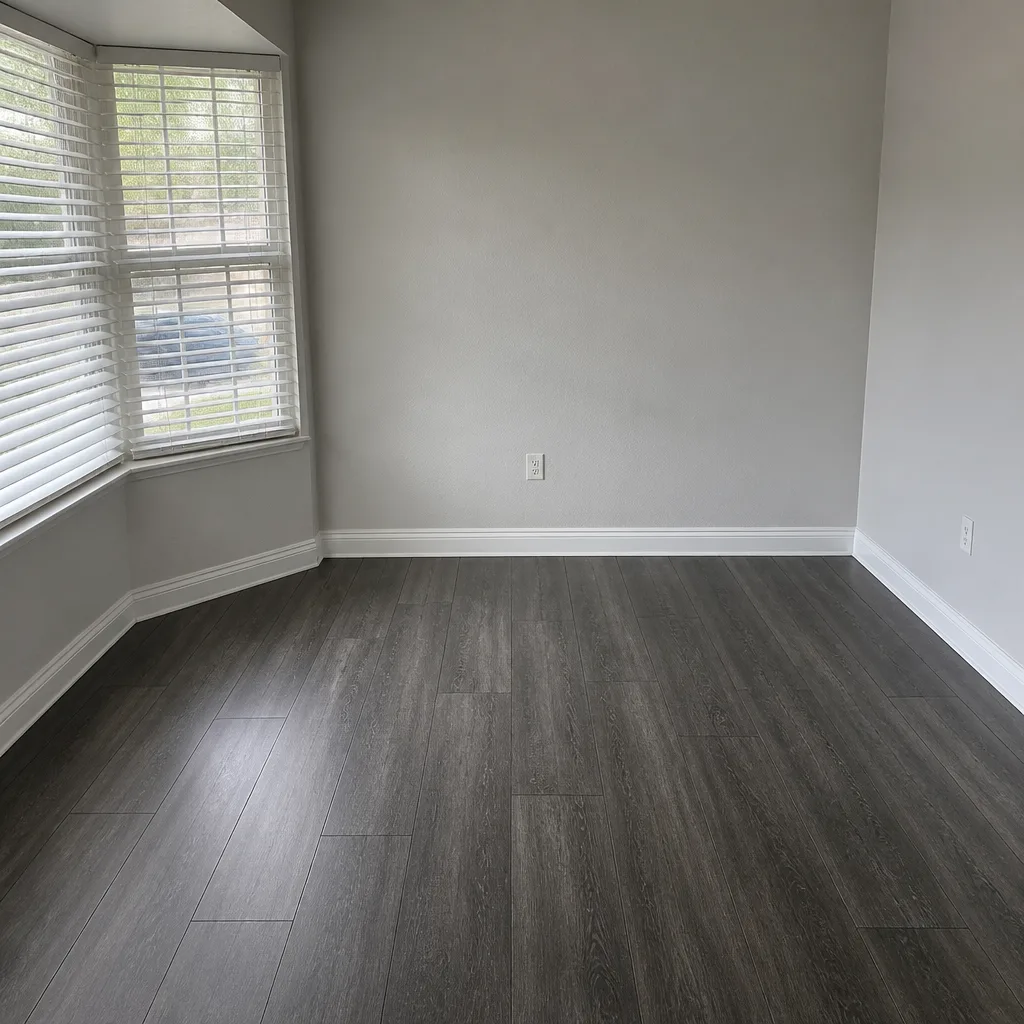 After
After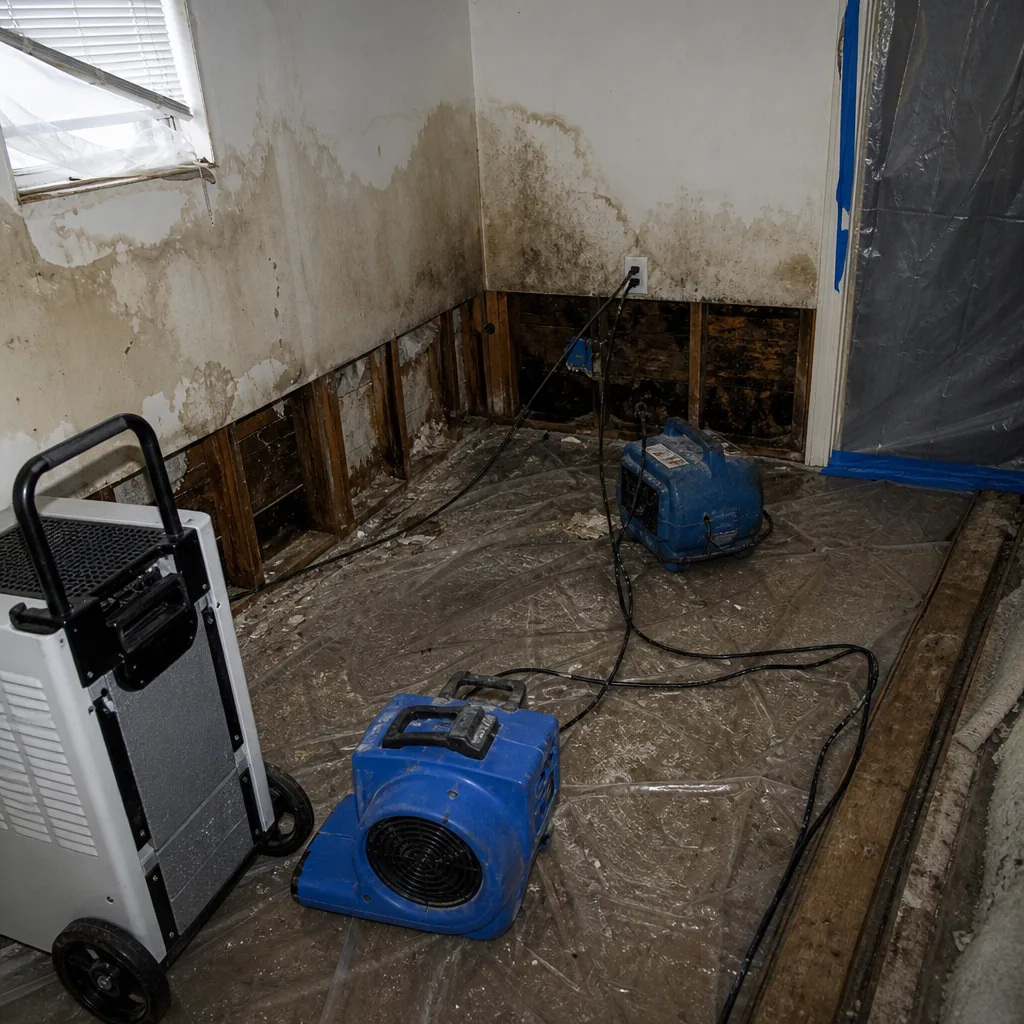 Before
 After
After